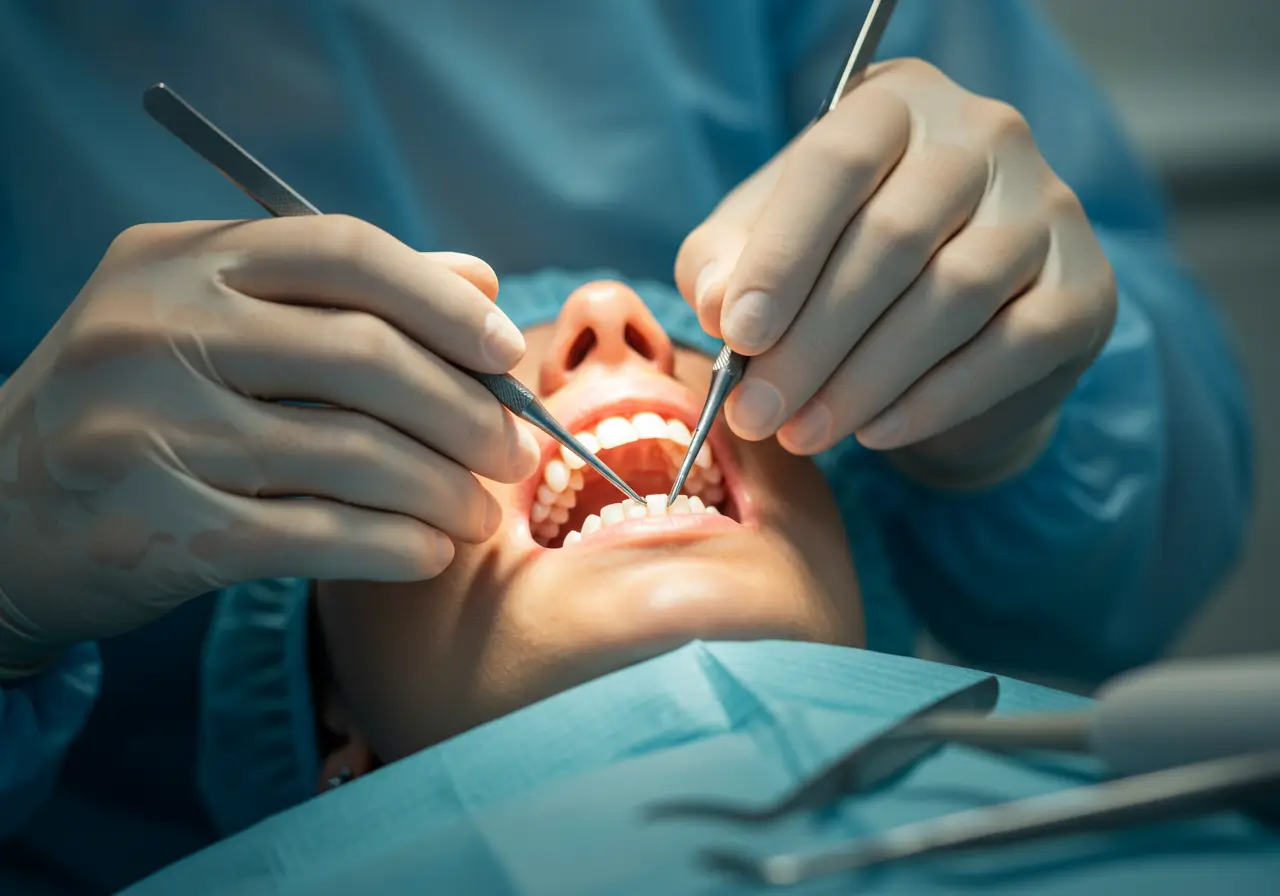
Oral Surgery: What to Expect Before, During, and After Your Procedure
The words “oral surgery” can make a simple appointment feel suddenly much bigger. You may be picturing an operating room, wondering whether you will be awake, or trying to figure out how you will eat dinner afterward. Many oral surgery procedures happen in a dental office, and your team should explain the plan before treatment begins.
The practical starting point is to learn exactly which procedure you need, which type of anesthesia is planned, and which recovery instructions apply to you. A straightforward extraction, an impacted wisdom tooth removal, an implant, and jaw surgery can have very different preparation and healing timelines. This guide will help you ask useful questions and plan your first few days.
What Counts as Oral Surgery?
Oral surgery is a broad description for procedures involving the teeth, gums, jaw, or other tissues of the mouth and face. Some are relatively brief. Others require specialist planning, more extensive anesthesia, and a longer recovery. Your dental team will usually name the specific procedure rather than simply calling it an “oral operation.”
Examples include a tooth extraction, removal of an impacted wisdom tooth, placement of a dental implant, a gum graft, a biopsy of an unusual area, or corrective jaw surgery. An impacted tooth has not emerged normally through the gums; in some cases the clinician must lift gum tissue or remove some bone to reach it. A biopsy removes a small tissue sample for examination. These treatments have different purposes and recovery needs.
Even the word “extraction” covers more than one experience. A visible tooth may be loosened and removed after the area is numbed. A broken or impacted tooth may need an incision, sectioning, or stitches. MedlinePlus explains how simple and more complex extractions differ. Ask your clinician which description fits your case rather than relying on another person’s recovery story.
Does every impacted wisdom tooth need to come out?
No. An impacted wisdom tooth that is not causing problems may not need treatment, while pain, infection, damage to nearby tissue, or other findings can change the decision. Your dentist can explain what the exam and images show, what might happen with monitoring, and why removal is or is not advised. MedlinePlus describes possible approaches to impacted teeth.
Who Will Perform the Procedure?
Your general dentist may perform an extraction or another procedure within their training and experience. An oral and maxillofacial surgeon often handles more complex extractions, jaw procedures, facial conditions, and some cases involving sedation or general anesthesia. Periodontists focus on gums and the structures supporting teeth; endodontists may perform surgery around a tooth’s root. The referral depends on your condition and the planned treatment.
If a referral worries you, ask what makes your case more complex. The answer might involve the position of a tooth, proximity to a nerve, a medical condition, a need for grafting, or the anesthesia plan. A referral also gives you an opportunity to discuss options with the person who will perform the procedure.
For prevention and care outside the surgical appointment, see this guide to family dental care. Keep your regular dentist informed about the specialist’s plan and any recommended follow-up.
Before You Agree to Surgery, Understand the Plan
At the consultation, the clinician should explain what they found, what they recommend, the expected benefits, the material risks, and reasonable alternatives. Bring a written list if that helps; it is easy to forget a question once the conversation turns to X-rays and consent forms.
- What problem are we treating? Ask to see the relevant image or area in your mouth and to hear what could happen if you wait.
- What exactly will be done? Clarify whether an incision, bone removal, graft, biopsy, or stitches are expected.
- What are the alternatives? Depending on the diagnosis, they may include monitoring, restorative treatment, or a different surgical approach.
- What risks are specific to me? Your medical history, nearby nerves or sinuses, and the position of a tooth can matter more than a generic risk list.
- What is the recovery plan? Ask when you can return to work, exercise, driving, normal meals, and your usual oral hygiene.
If you are considering an implant, discuss the whole sequence rather than just the day it is placed. An extraction, graft, implant placement, healing period, and final crown may occur in separate visits. Ask which steps apply to you, who will provide each one, and when a permanent tooth is expected. A procedure estimate should include any planned imaging, anesthesia, graft, restoration, and follow-up charges so you can understand the full plan.
Give the team a complete health picture
Tell your clinician about medical conditions, allergies, previous anesthesia problems, pregnancy or possible pregnancy, and all medicines you use, including over-the-counter drugs, supplements, and recreational substances. Mention medicines that affect bleeding and any drugs used for osteoporosis or cancer involving bone. These details can affect treatment and healing. MedlinePlus advises reviewing medicines and medical history before an extraction.
Do not stop a prescribed blood thinner or other regular medication on your own. The dental team may coordinate with the clinician who prescribed it and give you an individualized plan. Likewise, antibiotics are not an automatic part of every oral surgery. Whether they are appropriate depends on the procedure and your clinical circumstances. If a prescription appears on your instructions, ask what it is for and how to take it.
Make a Simple Plan for Surgery Day
Once you know the procedure and anesthesia, you can make the day easier. Put your written instructions, medication list, insurance details, and the office’s after-hours phone number in one place. If you will have sedation or general anesthesia, arrange a responsible adult to take you home according to your team’s instructions. Ask whether that person also needs to stay with you afterward.
Buy a few foods that require little chewing: yogurt, eggs, mashed potatoes, applesauce, soft pasta, or soup served at a comfortable temperature. You may need to avoid small bits that can lodge in an extraction site. Set aside a cold pack if the office expects swelling. Plan childcare, time away from physical work, and any tasks that would be difficult while you are tired or numb. The right amount of time off varies, so ask for an estimate tied to your procedure and your job.

Amazon US Verified
ThermoPro Instant-Read Digital Meat Thermometer
Ultra-fast 3-second temperature sensor ensuring perfect roasts and baked loaves.
Follow your own fasting instructions exactly
Fasting rules depend on the anesthesia, your health, and what you will consume. Do not assume every patient must avoid water for the same number of hours, and do not apply a friend’s instructions to your appointment. The American Association of Oral and Maxillofacial Surgeons’ patient assessment guidance discusses different intervals for clear liquids and types of food before sedation or general anesthesia. Your anesthesia team may give different instructions for a specific medical reason.
Ask when to stop solid food, when to stop clear liquids, and which regular medicines to take that morning. If you eat or drink after the stated cutoff, tell the team before the procedure. They can decide whether it is safe to proceed. If your treatment uses only local anesthesia, its food and drink instructions may be different.
What Happens During Oral Surgery?
The team usually confirms your identity, procedure, medical history, and anesthesia plan before starting. The treatment area is numbed when local anesthesia is needed for pain control. You may feel pressure, movement, or vibration even while the area is numb. If you feel sharp pain, tell the clinician so they can assess the anesthesia; you do not need to silently endure it.
After the surgical work, the clinician may place stitches or gauze, depending on the procedure. The team will give you instructions that match the site and explain whether stitches dissolve or require removal. When sedation or general anesthesia is used, they will monitor you and determine when you are ready to leave with your escort.
How are numbing, sedation, and anesthesia different?
Local anesthesia numbs a particular part of the mouth while you remain awake. Sedation helps you relax and may make you sleepy; it can be given as inhaled medication, a pill, or through an IV. General anesthesia produces a temporary loss of consciousness. These terms do not describe one universal experience, and sedation does not replace a conversation about how pain will be controlled.
The American Dental Association’s overview of dental anesthesia and sedation notes that the procedure, health history, allergies, and anxiety all factor into the choice. Ask which medications are planned, how you will be monitored, and what limitations apply afterward. If dental visits have been difficult for you, say so at the consultation; that information can help the team choose an appropriate approach.
The First Day of Recovery: Protect the Site and Rest
Before leaving, make sure you and your escort know which instructions apply. The directions for a gum graft or implant may differ from those for a pulled tooth. Ask where the written instructions are, whom to call after hours, and what symptoms mean you should seek urgent help.
After an extraction, a blood clot forms in the empty socket and supports healing. Your clinician may ask you to bite on gauze to manage initial bleeding. A small amount of blood mixed with saliva can look dramatic; the team can explain what amount of oozing is expected and how long to apply pressure. If bleeding is heavy or does not improve as directed, call the office promptly.
Avoid smoking, forceful rinsing, and drinking through a straw after an extraction as instructed, because these activities may disrupt the clot. The ADA’s extraction aftercare guidance recommends following the dentist’s diet advice and avoiding vigorous rinsing. Do not probe the socket with your tongue or try to remove material that you think you see there.
You may still be numb when you arrive home. Be careful with hot drinks and chewing until sensation returns so you do not burn or bite your lip or cheek. Drink fluids in the way your clinician recommends and eat soft foods when you are allowed to do so. You do not need to follow a rigid menu from someone else’s surgery: the site, extent of treatment, and your comfort determine when firmer foods make sense.
Managing pain without guessing
Ask for a written medication plan before the local anesthetic wears off. For many adults and adolescents after tooth extraction, current ADA guidance supports nonsteroidal anti-inflammatory drugs, sometimes combined with acetaminophen, as effective options. That does not mean ibuprofen or naproxen is suitable for everyone. Your conditions, other medicines, age, and the particular procedure all affect the safest choice.
Follow the exact instructions you receive and check whether a prescription already contains acetaminophen before taking an additional product. If the plan is not controlling pain, call the dental team rather than adding doses or combining medicines on your own. Pain after a major jaw procedure cannot be predicted from advice intended for a routine extraction.
Swelling, sleep, and activity
Some soreness and swelling can occur, particularly after more involved work. A wrapped cold pack applied to the outside of the face for short periods may help; never put ice directly on the skin. Rest as directed and avoid strenuous exercise until the team says it is appropriate. If you have a physically demanding job, tell the clinician beforehand so you can plan for lifting, bending, and time on your feet.
Swelling alone does not tell you whether healing is normal. What matters is the procedure, how symptoms change, and whether you have other warning signs. A worsening pattern, fever, pus, or difficulty swallowing deserves a call rather than another day of self-treatment.
Eating and Cleaning Your Mouth as It Heals
Soft foods are useful because they reduce chewing near a tender area. Try eggs, oatmeal that has cooled, tender pasta, mashed vegetables, or yogurt if they fit your clinician’s instructions. Chew on the opposite side when possible. Skip crunchy foods that can scrape a wound, and be cautious with small seeds or crumbs that might settle into a socket. If you have a special diet or diabetes, ask for food options that work with your needs.
Continue to care for the rest of your mouth, but clean around the surgical site as instructed. The timing and method of rinsing can vary, and advice about irrigation syringes is especially procedure specific. Do not use a forceful rinse merely because an online checklist says to start one on a certain day. Ask when to brush near the area, whether you need a prescribed rinse, and what to do if food collects nearby.
Healing has more than one finish line. Feeling comfortable enough to return to a desk job does not mean the underlying bone has completely healed. A surgical site can look different from day to day as the gums close. For an implant or graft, your team may plan later checks before the next treatment step. Keep those visits even if you feel well, since the clinician may be checking something you cannot see.
Which Symptoms Need a Call?
Your surgeon’s instructions should take priority, but it helps to know the broad pattern. Mild oozing, tenderness, and some swelling may be expected after an extraction. Contact your dentist or surgeon for bleeding that remains excessive despite following the pressure instructions, pain that becomes severe or increases instead of improving, fever or chills, pus, significant swelling, a rash, or another new concerning symptom. MedlinePlus lists warning signs after tooth extraction, including trouble swallowing and breathing symptoms.
Seek emergency care for trouble breathing, rapidly worsening swelling that affects swallowing, or a severe allergic reaction. If you are uncertain whether a symptom is urgent, call the treating office or its after-hours number; they know the details of your procedure.
Dry socket is specific to extractions
Dry socket happens when the protective clot in an extraction socket is lost or does not form well. It can cause strong pain that appears or intensifies in the days after the tooth is removed, sometimes spreading toward the ear. It is not a general complication of every kind of oral surgery. MedlinePlus describes dry socket symptoms and treatment. Call the dental team if that pain pattern develops; they can examine the site and treat it appropriately.
Other risks depend on the location and treatment. Surgery near a nerve can sometimes change sensation in a lip, chin, or tongue. Work near the upper back teeth may involve the sinus. Infection, damage to a neighboring restoration, or a reaction to a medicine can also occur. Ask what is relevant to your anatomy and what the team would do if a problem arises. The informed-consent discussion should be specific enough to help you decide.
Before You Leave the Consultation, Get Five Clear Answers
- What procedure am I having, and why? Ask to see the finding that led to the recommendation.
- What type of anesthesia will I receive? Get personalized fasting, medication, escort, and driving instructions.
- What should I do on the first day? Confirm the plan for gauze, food, oral hygiene, rest, and pain control.
- What would be unexpected in my case? Ask which symptoms require an immediate call and which number to use after hours.
- What happens next? Clarify follow-up visits, later treatment steps, and the full estimate of charges and insurance benefits.
Oral surgery feels more manageable when the plan is concrete. Write down the name of your procedure, bring your medication list, and ask the team to walk you through your first evening at home. Those few minutes of preparation will give you instructions that fit the treatment you are actually having.
As an Amazon Associate, azuloz.com earns from qualifying purchases.