Planting Flowers in July? Celosia Brings Color That Lasts Into Fall
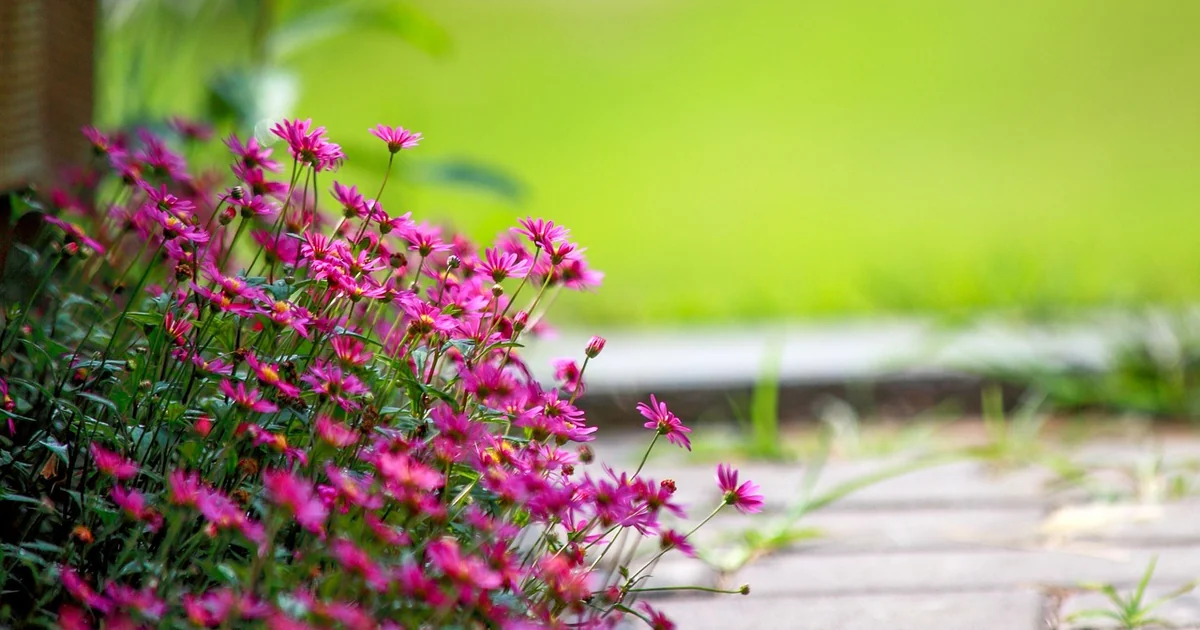
If summer heat has left your garden looking tired, celosia can quickly restore its color. This warm-season annual thrives in sunny conditions and produces distinctive flowers in red, orange, yellow, pink, purple, and cream. Nursery-grown plants offer the fastest results in July, while seeds can still work where the remaining frost-free season is long enough.
Is July a good time to plant celosia?
Yes, provided you still have plenty of warm weather ahead. Celosia is sensitive to cold and performs best after the soil has warmed. This makes July planting practical in many regions, but the right method depends on the length of your growing season.
- Use nursery transplants for immediate color: Established plants can begin filling gaps in beds and containers as soon as they settle in.
- Sow seeds in climates with long summers: Direct sowing may produce late-summer or fall flowers where frost remains several months away.
- Choose transplants in short-season areas: Some celosia varieties need a considerable period of vegetative growth before flowering, so July-sown seeds may not bloom before an early frost.
Check your average first-frost date and the seed packet’s days-to-maturity information before sowing. If frost commonly arrives by early autumn, buying plants already in bud is the more dependable option.
Why celosia handles summer gardens so well
Celosia grows vigorously in warmth and bright sunlight. Its upright flowers hold their color well, and established plants can tolerate brief dry periods better than newly planted seedlings. However, heat tolerance does not mean a plant can survive indefinitely without water, especially in a container.
The University of Minnesota Extension recommends full sun and well-drained soil for celosia. A location receiving about eight hours of direct sunlight supports strong stems and abundant flowering. Plants grown with too little light may stretch toward the sun and produce fewer blooms.
Celosia is also valued for its long season of interest. Healthy plants generally keep producing and holding colorful flower heads until cold weather or frost ends the display. The exact performance depends on the cultivar, local climate, moisture, and growing conditions.
Choose among three distinctive celosia forms
Celosia varieties are commonly grouped by flower structure. All three can be grown in beds, cutting gardens, raised beds, and sufficiently large containers.
Plumed celosia
Plumed varieties produce upright, feathery flower heads that resemble small flames. They are particularly effective when planted in groups because their multiple flower stalks create a dense sweep of color. Compact cultivars suit pots and border edges, while taller selections can fill the middle of a garden bed.
Wheat celosia
Wheat celosia has narrow, tapered flower spikes resembling heads of grain. Its form is lighter and less dense than cockscomb or plumed types, making it useful among airy plants such as cosmos. Depending on the variety, the flowers may gradually develop different shades as they mature.
Cockscomb celosia
Cockscomb varieties develop broad, velvety flower heads with folds that resemble coral or a rooster’s comb. Their sculptural appearance makes them natural focal points in containers and bouquets. Give larger cultivars enough room so neighboring plants do not conceal their unusual blooms.
How to plant celosia successfully in July
Find the sunniest suitable location
Choose a warm site with full sun. Although celosia may survive with less light, flowering and stem strength usually decline in shade. In extremely hot climates, plants may benefit from protection during the harshest late-afternoon conditions, but deep or prolonged shade is not ideal.
Make sure water can drain freely
Celosia should not sit in waterlogged soil. In dense clay or a low area that remains wet after rain, use a raised bed or container rather than trying to correct the problem with a small amount of sand. Containers must have unobstructed drainage holes and should be filled with a quality potting mix rather than garden soil.
Amazon US Verified
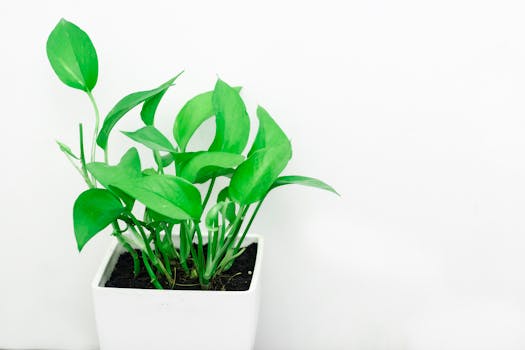
Organic Perlite Horticultural Soil Conditioner
Lightweight volcanic mineral that improves root aeration and prevents compaction.
Moderate amounts of finished compost can improve soil structure and organic matter, but adding too much rich amendment or fertilizer may encourage leafy growth at the expense of sturdy flowers.
Space plants according to their mature size
Celosia ranges from compact edging plants to tall cutting varieties, so there is no single spacing that fits every cultivar. Follow the plant label or seed packet. Compact plants may need only several inches between them, while larger cultivars may require a foot or more of space for airflow and full development.
Handle transplants gently
Water the plant before removing it from its nursery pot. Ease the root ball out without pulling on the stem, place it at the same depth at which it was growing, and firm the soil gently around it. Water thoroughly after planting.
Transplant during the cooler morning or evening hours rather than at midday. If possible, choose a cloudy day to reduce moisture loss while the roots adjust.
How often should you water celosia in hot weather?
Newly planted celosia needs consistent moisture while its roots spread into the surrounding soil. Check it frequently during the first couple of weeks, especially during heat waves. Water when the upper layer of soil begins to dry, applying moisture to the root zone rather than merely wetting the surface.
Once established, in-ground plants generally need less frequent watering. Let drainage and weather guide you: sandy soil and containers dry quickly, while clay retains water longer. Wilted foliage, very dry soil, and slowed growth can indicate insufficient moisture. Constantly wet soil, yellowing leaves, and soft stems may indicate overwatering or poor drainage.
Amazon US Verified
Digital 3-in-1 Soil Moisture & pH Meter
Accurate probe to test deep root zone moisture and prevent accidental overwatering.
Containers may require daily checks during severe heat. A finger inserted about an inch into the potting mix provides a more useful guide than watering on a rigid schedule.
Should you fertilize celosia after planting?
Celosia usually does not need heavy feeding. If the bed contains reasonably fertile soil, a large fertilizer application may be unnecessary. Container plants lose nutrients through repeated watering and can benefit from a balanced fertilizer applied according to its label.
Avoid exceeding the recommended amount. Excess nitrogen may produce lush leaves and weak, floppy stems instead of improving the flowers. When in doubt, observe the plant’s growth before adding more fertilizer.
Does celosia need deadheading?
Removing faded flower heads can keep the plant tidy and may redirect some energy away from seed production. Cut the stem just above a healthy leaf or side shoot with clean pruners. Do not remove every aging flower if you want the plant to self-sow or intend to collect seeds.
Celosia flowers remain decorative for a long time, even as their color begins to soften, so deadheading is partly an aesthetic choice. Tall plants that lean after heavy rain may need discreet support, particularly in exposed locations.
Good companion plants for celosia
Pair celosia with plantsPair celosia with that enjoy similar warmth, sunlight, and drainage. Useful combinations include:
- Zinnias: Their rounded flower forms contrast with celosia’s spikes and combs.
- Marigolds: Compact varieties create a bright lower layer along a sunny border.
- Lantana: This heat-loving plant works well in warm regions, although its growth habit and winter hardiness vary by climate.
- Portulaca: A low-growing choice for dry, sunny edges and containers.
- Cosmos: Its fine foliage and delicate flowers soften the appearance of bold cockscomb varieties.
- Petunias or calibrachoa: Trailing forms can spill over a container beneath upright celosia.
Match plants by their actual watering needs rather than assuming every heat-tolerant flower prefers the same conditions. Portulaca, for example, tolerates drier soil than many petunias.
How to grow celosia in a container
Celosia can add strong vertical color to a patio or balcony, but the container must suit the mature size of the chosen variety. Select a pot with drainage holes, fill it with fresh potting mix, and place it where the foliage will receive ample direct sunlight.
For a mixed arrangement, use compact celosia as the upright focal plant and add lower-growing companions around it. Avoid packing the pot so tightly that air cannot circulate or roots have too little soil. Mixed containers are easiest to maintain when all the plants have similar moisture requirements.
Because pots heat and dry faster than garden beds, check the soil regularly. Pale leaves, stunted growth, or rapid wilting may indicate that the plant is root-bound, short of nutrients, or not receiving enough water.
Amazon US Verified
Self-Watering Planters with Drainage Aerators
Elevated reservoir design that prevents soggy roots and ensures steady hydration.
You may also enjoy reading: 7 Fragrant Houseplants to Freshen Your Home Year-Round.
Can you direct sow celosia seeds in July?
You can direct sow celosia once conditions are warm, but late planting requires realistic expectations. Some selections may take up to several months to reach flowering size. Direct sowing is therefore most reliable in regions with a long, frost-free late summer and autumn.
- Clear weeds and loosen the surface of well-drained soil.
- Sow the tiny seeds shallowly according to the packet directions.
- Keep the seedbed evenly moist without washing the seeds away.
- Thin crowded seedlings once they develop true leaves.
- Continue watering regularly until the young plants are established.
If you want flowers as soon as possible, use transplants instead. You can also combine both approaches: plant a few established celosias for immediate impact and sow seed nearby for a possible later display.
Can celosia be used as a cut or dried flower?
Celosia’s firm stems and textured flower heads make it useful for fresh and dried arrangements. For fresh bouquets, harvest stems during the cool part of the morning and place them in clean water promptly. Choose flowers that have developed their full form but have not begun shedding seed.
To dry celosia, remove most of the foliage, bundle only a few stems together, and hang them upside down in a dry, dark place with good air circulation. Keeping them out of strong light helps preserve more of their color. Make sure the flower heads are completely dry before storing or arranging them.
Will celosia return next year?
Celosia is normally grown as a frost-tender annual, meaning one plant completes its life cycle in a season and is killed by freezing temperatures. In warm, frost-free climates, it may persist longer, while mature flowers may also drop seeds and produce volunteer seedlings under favorable conditions.
Self-sown plants are not guaranteed to resemble the parent, particularly when hybrids or several cultivars grow close together. To save seed, allow selected flower heads to dry on the plant, collect the small dark seeds, and store them in a labeled paper envelope in a cool, dry location.
Common celosia problems and practical fixes
Few flowers or stretched stems
Insufficient sunlight is a common cause. Move a container into stronger light or remove nearby growth that is shading an in-ground plant. Excess nitrogen can also encourage foliage instead of flowers.
Wilting during the afternoon
Check the soil before watering. A newly planted celosia in dry soil probably needs a deep drink, while a plant in soggy soil may be wilting because its roots lack oxygen. Afternoon wilting that disappears by morning can also be a temporary response to extreme heat.
Yellow leaves and weak growth
Inspect the drainage and watering routine first. Persistently wet roots can cause decline. Yellowing may also result from depleted container soil, root crowding, or pest damage, so examine both sides of the leaves and the stems before applying fertilizer.
Flowers are fading
Individual flower heads naturally age. Remove them if you prefer a cleaner appearance, but first confirm that the plant still receives enough light and water. Many celosia blooms retain attractive texture even after their brightest color fades.
A reliable strategy for planting flowers in July
For dependable midsummer color, start with healthy celosia transplants, plant them in warm, well-drained soil, and keep the root zone consistently moist while they establish. Choose the cultivar according to the available space rather than relying on a universal spacing rule.
Direct sowing remains possible where autumn frost is still far away, but it will not deliver instant flowers. By matching the planting method to your local season, you can enjoy celosia’s vivid color and unusual texture from the height of summer until cold weather arrives.
As an Amazon Associate, azuloz.com earns from qualifying purchases.