Imagine strolling through your vegetable patch on a warm summer morning. Bees buzz from blossom to blossom, butterflies dance among the leaves, and your squash plants are heavy with fruit. This scene is not accidental. It results from deliberate choices about which plants grow near your edibles. Companion planting goes beyond pest control and flavor enhancement. The right flowers and herbs invite pollinators into your garden, boosting yields for crops like cucumbers, melons, and pumpkins that depend on insect visits. These plants also make your garden more beautiful and enjoyable. Below you will find eleven reliable pollinator companion plants that work beautifully alongside vegetables, along with tips for getting the most from each one.
The Top 11 Pollinator Companion Plants for Your Vegetable Garden
Every plant on this list has been chosen for its proven ability to attract bees, butterflies, hummingbirds, and beneficial insects. When you integrate them into your veggie beds, you create a thriving ecosystem that reduces pest pressure and improves pollination rates. Avoid spraying any broad-spectrum pesticides in your garden, as these chemicals kill pollinators along with pests. Instead, let these companion plants do the work for you.
Dill
Dill offers double value in a vegetable garden. You harvest its feathery leaves for cooking, but if you allow a few plants to bolt and flower, they become a magnet for pollinators of all kinds. More importantly, dill serves as the premier host plant for black swallowtail butterfly caterpillars. These striking larvae feed on the foliage without causing serious damage, and the adult butterflies later pollinate your crops. For peak pollinator benefits, plant dill near cucumbers, zucchini, and other members of the Cucurbit family. These vegetables rely heavily on insect visits to set fruit, and dill’s umbrella-shaped flower heads provide an easy landing pad for bees and butterflies. Let at least one dill plant go to seed each season to ensure a continuous supply.
Borage
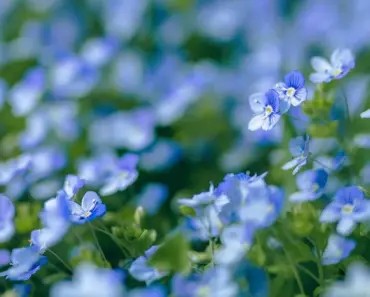
Borage is a lesser-known annual herb that deserves a spot in every vegetable patch. Its periwinkle blue flowers are rich in sweet nectar, drawing in bees and butterflies as well as beneficial insects like parasitic wasps. The leaves and flowers are edible, with a mild cucumber flavor that makes a refreshing addition to summer salads. Because borage develops a long taproot, it does not transplant well. Direct-sow the seeds outdoors after the last spring frost. Once established, borage self-seeds modestly, returning year after year. Plant it near tomatoes and squash to increase pollination rates. Studies have shown that borage can boost bee visitation by up to 37% in nearby crops, making it one of the most effective pollinator companion plants for home gardens.
Parsley
Most gardeners grow parsley as a leafy herb and harvest it before it flowers. However, if you leave a few plants in the ground for a second year, they will produce tall stalks topped with clusters of tiny yellow-green flowers. These blossoms attract honey bees, mason bees, and sweat bees in noticeable numbers. Parsley is a biennial, meaning it flowers only in its second growing season. You may also spot black swallowtail caterpillars feeding on the leaves; resist the urge to remove them, as they will transform into beautiful butterflies. Plant parsley near carrots, which share similar growing conditions, and allow a corner of the bed to remain undisturbed. The flowers will appear in late spring of the second year, providing an early-season pollen source before other plants bloom.
Cilantro
Cilantro bolts quickly when summer temperatures rise, but that is actually good news for pollinators. The lacy white flowers that appear after bolting attract honey bees, bumble bees, and a surprising number of butterfly species. Even more valuable, cilantro draws in beneficial insects that prey on common garden pests. Parasitic wasps, ladybugs, and hoverflies all visit cilantro blossoms, helping to control aphids, caterpillars, and thrips. Plant cilantro in succession every two to three weeks so that you always have some plants in flower. Place it near broccoli, cabbage, and other brassicas to counteract cabbage worms, or grow it alongside beans and peas to increase pollinator activity. Cilantro self-seeds readily, so once you establish it, you will likely have volunteers each year.
Chives
Chives are a perennial herb that produces globe-shaped purple blooms in late spring. These round flower heads are irresistible to bees, butterflies, and even some small beetles. Unlike many herbs, chives remain attractive to pollinators even after the flowers have fully opened. Plant a row of chives along the edge of your tomato bed or near melons, pumpkins, and squash. The strong scent of chives also helps repel aphids and Japanese beetles, giving your vegetables an extra layer of protection. Chives are extremely low-maintenance; they thrive in full sun to partial shade and tolerate dry spells once established. Divide the clumps every three years to keep them vigorous, and let some flowers go to seed so the patch expands naturally.
Sweet Alyssum
The small purple, white, or pink flowers of sweet alyssum produce a honey-like fragrance that attracts a wide variety of pollinators. This low-growing annual works especially well as a living mulch around taller vegetables. Plant it near the edge of raised beds so the flowers spill over the sides, creating a cascading carpet of blossoms. Sweet alyssum is highly attractive to hoverflies, whose larvae feast on aphids. It also draws in tiny parasitic wasps that target tomato hornworms and cabbage loopers. Because sweet alyssum reseeds itself freely, you only need to plant it once. It will reappear in different parts of your garden each spring, filling gaps and providing early-season blooms. Trim back the spent flowers in midsummer to encourage a second flush of blossoms.
Nasturtiums
Nasturtiums are famous for their edible flowers and leaves, which have a peppery, radish-like bite. But their real value in a vegetable garden lies in their ability to attract hummingbirds. These tiny birds hover in front of the trumpet-shaped flowers, sipping nectar and pollinating nearby plants as they move. Nasturtiums also draw bees and butterflies, though hummingbirds are the most noticeable visitors. Trailing varieties work well for covering bare soil or tumbling over container edges, while mounding types fit neatly into small spaces. Plant nasturtiums near cucumbers, tomatoes, and beans to boost pollination. The bright orange, yellow, and red blooms also serve as a trap crop for aphids, drawing the pests away from your vegetables.
You may also enjoy reading: 7 Best Cutting Garden Roses.
Zinnias
Zinnias are often grown as cut flowers, but they deserve a place in the vegetable patch. Their bright, wide-open blooms provide easy access for bees, butterflies, and even hummingbirds. Choose single-petal varieties instead of doubles; double-flowered cultivars have so many petals that pollinators struggle to reach the nectar and pollen. Single-flowered zinnias like the ‘Benary’s Giant’ series or ‘Zahara’ series offer abundant resources for insects. Plant them near melons, tomatoes, cucumbers, peppers, and pumpkins, as these crops need insect pollination to produce fruit. Zinnias bloom continuously from summer until frost, providing a steady source of food for pollinators when other flowers have faded. They also tolerate heat and dry conditions very well.
Cosmos
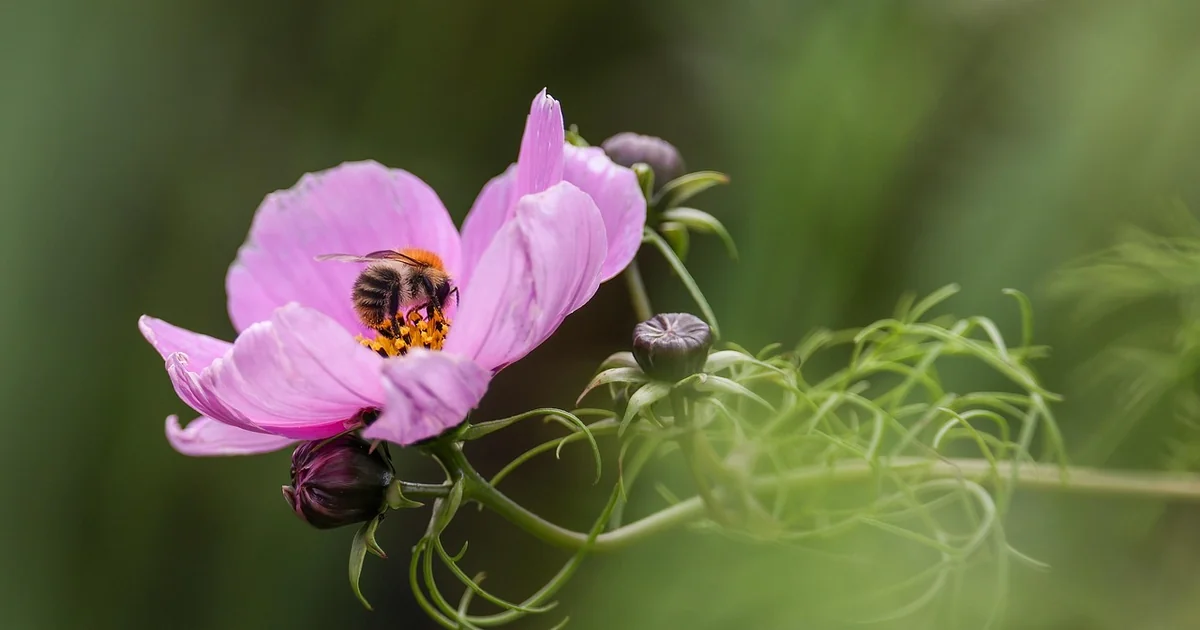
Cosmos are short-day annuals, meaning they begin blooming in late summer when the days grow shorter. Once they start, however, they produce flowers until the first hard frost. The daisy-like blossoms in pink, white, and purple are rich in nectar and attract bees, butterflies, and hoverflies. Because cosmos bloom later in the season, they fill a critical gap when many other pollinator plants have finished. Plant them near your fall crops like winter squash and pumpkins, which often need late-season pollination to develop fully. Cosmos grow tall — some varieties reach four feet — so place them on the north side of your vegetable beds to avoid shading shorter plants. They are drought-tolerant and self-sow lightly, so you may see volunteers appear the following spring.
Sunflowers
Sunflowers are among the most generous plants for pollinators. Their large flower heads produce abundant pollen and nectar that attracts bees, butterflies, and even hummingbirds. However, not all sunflowers are equal. Many modern ornamental varieties are pollen-free, bred for the cut-flower trade. For maximum pollinator benefit, choose pollen-producing cultivars such as ‘Mammoth Grey Stripe’ or ‘Russian Mammoth’. Sunflowers also provide shade for cool-season vegetables if planted on the west side of the garden. Their tall stalks act as natural trellises for climbing beans. At the end of the season, the seed heads offer food for birds and small mammals. Plant sunflowers in a block rather than a single row to make them more visible to pollinators from a distance. A 4-by-4-foot patch of sunflowers can attract over 200 bees per hour on a sunny day.
Marigolds
Marigolds are a classic companion plant, valued for their ability to repel nematodes and other soil pests. Their bright yellow, orange, and red flowers also attract bees and butterflies in large numbers. French marigolds (Tagetes patula) are especially good at drawing pollinators, while also releasing compounds that discourage whiteflies and root-knot nematodes. You can start marigolds indoors six weeks before the last frost or direct-sow them after the danger of frost has passed. Plant them around the edges of your tomato, pepper, and eggplant beds. The strong scent may also confuse pests like cabbage moths. For the best pollinator effect, choose single-flowered marigold varieties rather than tightly packed double blooms. Marigolds bloom continuously through summer and into fall, providing a long season of color and insect activity.
Integrating these eleven pollinator companion plants into your vegetable garden transforms it from a simple food source into a vibrant, self-sustaining ecosystem. Each plant on this list contributes something unique — whether it is hosting butterfly larvae, providing early-season pollen, or luring beneficial insects that control pests naturally. Start with two or three that match your growing conditions and expand over time. Your vegetables will thank you with heavier yields, and your garden will buzz with life from spring through autumn.