This summer, Windsor Castle opens a garden shaped by the movement of planets. The new Venus Garden takes its inspiration from the petal-like orbit of Venus itself. King Charles III has transformed the former East Terrace Garden into a space where celestial patterns meet living plants. The venus garden windsor project represents a fresh chapter for this historic corner of the castle grounds. Visitors will soon walk pathways that mirror the motion of the morning star.
What inspired the new garden design?
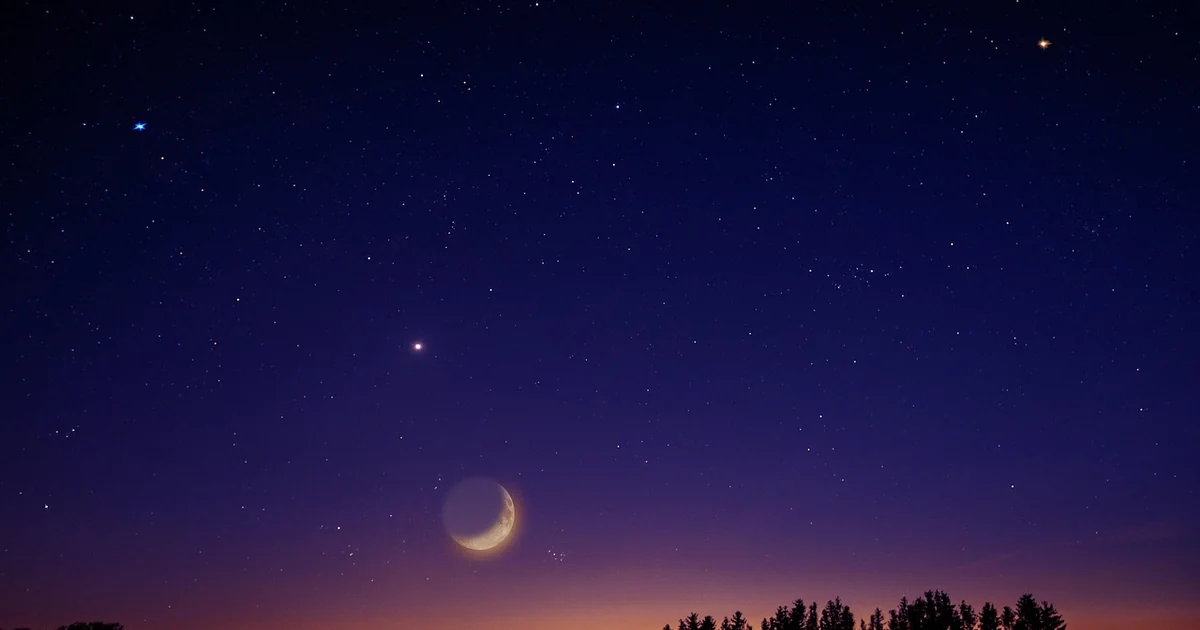
The layout of this new garden follows a surprising source. Designers looked to the sky rather than traditional landscape plans. The orbit of Venus creates a distinctive five-petal pattern when traced from Earth over eight years. That celestial shape now defines the paths and planting beds of the garden.
Each curved pathway echoes a segment of that orbital dance. The result is a garden that feels both ancient and modern. It connects the ground beneath our feet to the heavens above. The petal-shaped orbit of Venus inspired the design, giving every turn and border a cosmic logic.
How long did the transformation take?
Turning an old bowling green into a celestial garden did not happen overnight. The team worked carefully for a year and a half. Every hedge, every perennial, every pathway required precise planning. The careful transformation took about 18 months from start to finish.
Adam Scott, gardens and nursery manager at Windsor Castle, described the work as a significant project to reshape the historic garden for the future. He noted that the team focused on creating a space that offers beauty, interest, and biodiversity throughout the seasons. The pace of work reflected the King’s own meticulous approach to garden design.
What was the area used for before?
The site of the Venus Garden has served many purposes over the centuries. For years, it functioned as a bowling green, a leisure space for castle residents and guests. During the war years, the same ground grew vegetables as an allotment. It was previously a bowling green and an allotment during the war, feeding people when food was scarce.
Now the same patch of earth supports a different kind of life. Instead of lawn games or cabbages, the space hosts flowering perennials and native shrubs. The shift from recreation and subsistence to conservation mirrors a broader change in how royal gardens are conceived.
What other eco-friendly changes have been made at Windsor Castle?
The Venus Garden is only one part of a larger sustainability push at Windsor. Solar panels now sit on the castle roof for the first time in its long history. These panels generate clean energy as part of a drive toward net zero emissions in the coming years.
Not only that, but electric car charging ports have been added to the historic building. Thousands of new saplings have been planted across the wider estate, creating new habitats for birds and insects. The combination of solar panels, electric car charging ports, and thousands of new saplings shows a coordinated effort to reduce the castle’s environmental footprint.
What similar garden has Charles created at Sandringham?
This is not the King’s first garden transformation on a royal estate. In recent years, he oversaw a similar project at the Sandringham Estate in Norfolk. The Topiary Garden was added there in 2023, designed as both a peaceful retreat and a wildlife hub.
That garden shares the same philosophy as the Venus Garden. It aims to increase biodiversity while offering visitors a place for quiet reflection. The Topiary Garden, added in 2023 for peace and wildlife, uses carefully shaped evergreens and new plant species chosen to withstand changing weather patterns. The estate website notes that the design reflects the same principles of universal symbolism found in the Cosmati Pavement at Westminster Abbey.
When can visitors see the Venus Garden?
The garden opens to the public for a limited window this summer. Visitors can explore the space from 16 July to 13 September. This short season means those planning a trip should book ahead to secure their spot.
The East Terrace Garden has only opened intermittently to the public over the years. This summer marks the first time many people will see this transformed space. From 16 July to 13 September this summer, the Venus Garden will welcome guests who want to experience its celestial design firsthand.
How a bowling green and wartime allotment became a biodiverse garden
The journey from sports lawn to vegetable patch to wildlife sanctuary tells a story of changing priorities. Each era repurposed this piece of land for its own needs. Today, the garden is a biodiverse sanctuary for wildlife, designed to support pollinators, birds, and small mammals.
You may also enjoy reading: Dieffenbachia Dumb Cane: 7 Tips for Growing and Care.
Perennial beds provide nectar from spring through autumn. Evergreen hedges offer shelter during colder months. The design prioritises ecological health alongside visual beauty. For a garden enthusiast facing the challenge of transforming a small urban plot into a biodiverse space, the Venus Garden offers a scaled example of the same principle: choose plants that serve both people and wildlife.
The symbolism of Venus in royal garden design tradition
Royal gardens have long carried symbolic meanings. Knot gardens represented order and control. Maze gardens symbolised life’s journey. The Venus Garden continues this tradition by linking the earthly garden to a celestial body.
Venus has been associated with love, beauty, and the evening sky across many cultures. Naming a garden after the planet connects it to a universal human experience of looking up and wondering. King Charles III is opening a new garden at Windsor Castle inspired by the planet Venus, and that choice reflects his interest in the relationship between nature and the cosmos. The garden becomes a place where astronomy and horticulture meet.
What perennial beds and evergreen hedges mean for year-round garden appeal
The planting scheme of the Venus Garden was chosen with all four seasons in mind. Perennial beds die back in winter but return each spring with fresh growth. Evergreen hedges hold their colour and structure through the coldest months.
This combination means the garden never looks bare. Even when the perennials are dormant, the hedges define the pathways and keep the celestial layout visible. The garden features perennial beds and evergreen hedge-lined pathways, ensuring that the orbital pattern remains clear throughout the year. For someone planning a home garden, this mix offers a practical lesson: structure comes from evergreens, while seasonal interest comes from perennials.
Frequently Asked Questions
What does a petal-shaped orbit look like in a garden layout?
The orbit of Venus creates a five-lobed pattern when plotted from Earth over eight years. In the Venus Garden, this translates into curved pathways that sweep outward like flower petals from a central point. The hedges trace these arcs, so visitors walk along the same geometric lines that the planet traces in the sky.
How do I create a wildlife-friendly garden using perennials and hedges?
Start by choosing native perennial species that bloom at different times so pollinators have food from early spring to late autumn. Plant evergreen hedges along the borders or pathways to provide shelter and nesting sites for birds. Avoid chemical pesticides and leave some areas undisturbed for insects and small mammals to thrive.
Why is the garden only open for a short summer window?
The East Terrace Garden has traditionally opened to the public only during specific periods each year. The limited season helps protect the plants and soil from heavy foot traffic during the rest of the year. Summer also offers the best display of the perennial beds, making the visit most rewarding for guests.
Amazon US Verified
Organic Perlite Horticultural Soil Conditioner
Lightweight volcanic mineral that improves root aeration and prevents compaction.
The venus garden windsor project marks a thoughtful evolution for a space that has served the castle for two centuries. From bowling green to wartime allotment to celestial sanctuary, this corner of Windsor now tells a story of renewal and connection to the natural world. Visitors this summer will walk a path shaped by the stars.
As an Amazon Associate, azuloz.com earns from qualifying purchases.