11 Vintage Kitchen Finds Worth Buying Secondhand
Some vintage kitchen finds genuinely earn their shelf space. Older cast-iron pans, stainless-steel cookware, wooden bowls, and mechanical tools can offer decades of service when they are carefully inspected and used appropriately.
Age alone does not make an item valuable or safe, however. Before buying, check its materials, condition, replacement-part availability, and intended use. Decorative pieces with unknown glazes or damaged cooking surfaces may be better displayed than used with food.
1. Vintage Cast-Iron Skillets
A well-made cast-iron skillet is one of the most practical secondhand kitchen purchases. Cast iron retains heat effectively, works on most stovetops, and moves easily from the burner to the oven. With routine seasoning and dry storage, it can remain usable for generations.
Amazon US Verified
Silpat Non-Stick Silicone Baking Mats (2-Pack)
Professional heat-resistant mats eliminating parchment paper and sticky baking trays.
Look for a flat cooking surface, intact walls, and a handle without cracks. A little surface rust is usually manageable, but deep pitting, severe warping, or cracks should make you leave the pan behind. Set it on a level surface to see whether it rocks, particularly if you plan to use it on a smooth glass or induction cooktop.
Wagner and Griswold Cast Iron
Wagner Ware and Griswold are especially popular with collectors because many of their older pans are comparatively light and have smooth interiors. Clear manufacturer markings can increase collectible value, but an unmarked skillet in sound condition may cook just as well.

Amazon US Verified
ThermoPro Instant-Read Digital Meat Thermometer
Ultra-fast 3-second temperature sensor ensuring perfect roasts and baked loaves.
Do not assume an old pan is already clean because its surface looks seasoned. Remove loose residue, wash and dry it thoroughly, and establish a fresh seasoning layer before cooking. Avoid buying any piece that appears to have held motor oil, paint, molten lead, or other nonfood materials.
2. Vintage Dutch Ovens
A deep cast-iron Dutch oven is useful for braises, stews, bread, and slow-cooked meals. Unlike a skillet, its tall sides and heavy lid help contain moisture, making it a versatile companion piece rather than a duplicate purchase.
Amazon US Verified
Stainless Steel Airtight Bread Box
Properly ventilated container keeping crusty artisanal loaves fresher longer.
Make sure the lid fits properly and inspect the rim, handle attachments, and underside for cracks. Bare cast iron can often be restored, but an enameled Dutch oven with a chipped interior deserves more caution. If enamel is flaking or missing from the food-contact surface, do not use the pot for cooking.
3. Copper-Bottom Revere Ware
Older Revere Ware is recognizable by its stainless-steel body and copper-coated base. The stainless interior is relatively easy to maintain, while the copper bottom helps conduct heat across the base. These pans are lighter than solid copper cookware and can be practical for everyday sauces, soups, and vegetables.
Check that the base sits flat and that the handle feels secure. Heavy scratches, a loose handle, a badly warped bottom, or separated metal layers are warning signs. Tarnish on exposed copper is mostly cosmetic and can be polished, but thinning or severe damage is different from ordinary patina.
Keep expectations realistic: a thin copper layer does not provide the same temperature control as a heavy, fully clad copper pan. It can still be a dependable secondhand find when the price and condition are right.
4. Heavy Copper Pots and Jam Pans
Large copper vessels are visually striking and conduct heat quickly, but their suitability for cooking depends on their construction. Copper can react with acidic foods, so the interior of a general-purpose copper pot should normally have an intact food-safe lining, such as tin or stainless steel.
Examine the inside under bright light. Avoid cooking in a lined pot if copper is visible through worn areas, or if the lining is blistered, peeling, or heavily pitted. Retinning may be possible through a specialist, but the service cost should be considered before buying.
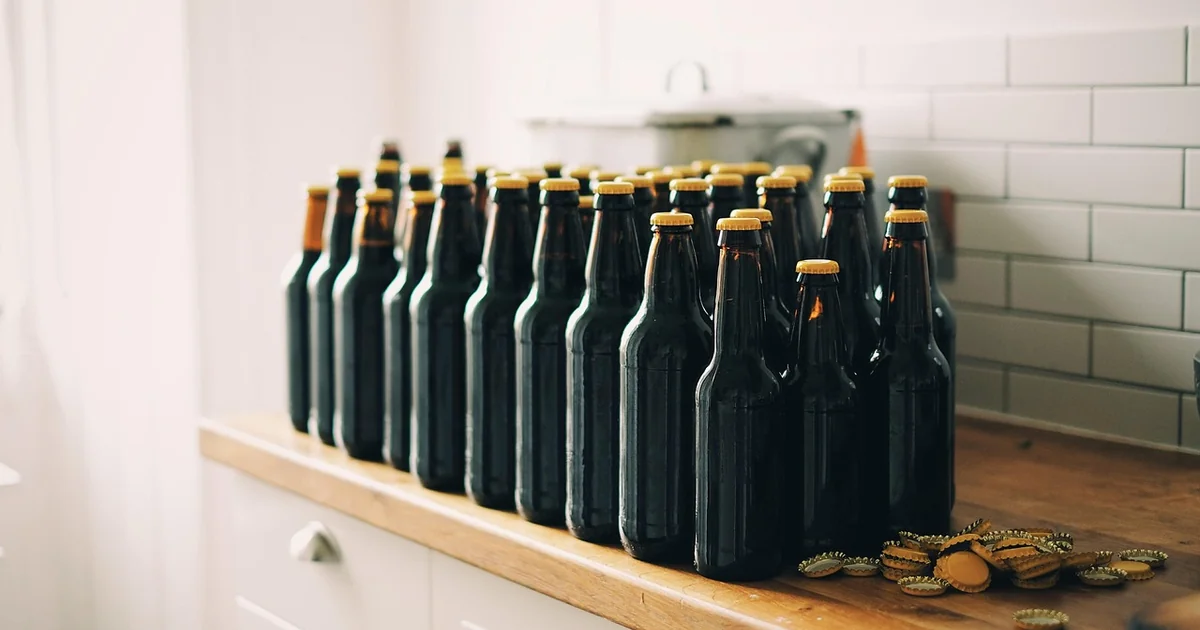
Traditional unlined jam pans require informed, recipe-specific use and should not be treated as universal cookware. If you cannot establish a vessel’s composition or intended purpose, use it as a decorative container rather than for preparing food. It can still hold wrapped items, linens, or sealed beverage bottles, but unknown metal should not sit directly against food or ice intended for drinks.
5. Enamelware Bowls and Mugs
Vintage enamelware combines a metal core with a glass-like enamel coating. It is light, easy to carry, and well suited to a casual or farmhouse-style kitchen. Sound pieces can be useful for serving dry snacks, organizing packaged ingredients, or holding utensils.
Inspect every food-contact surface. Small exterior marks may be harmless, but exposed metal, active rust, sharp edges, and flaking interior enamel are reasons not to use a piece for food. Older decorative finishes may also contain substances that do not meet current food-contact standards.
Do not rely on appearance alone to decide whether antique enamelware is food-safe. If its origin and composition are unknown, reserve it for display or nonfood storage.
6. White Enamel Trays
A rimmed enamel tray can organize oils beside the stove, contain jars in a pantry, or serve packaged appetizers. Its raised edge helps catch small spills, while the white surface makes dirt easy to notice.
A vintage tray should not automatically be used for thawing raw meat. Chips, seams, and rusted areas can be difficult to sanitize reliably. For food preparation, choose an intact tray confirmed as food-safe, place the meat in a leakproof container, and thaw it in the refrigerator. Decorative or damaged trays are better used beneath plant pots, soap dispensers, or sealed containers.
7. White Ironstone Pitchers
Ironstone pitchers have a simple shape that works with both traditional and modern interiors. Intact, food-safe examples may serve water or other cold drinks, while uncertain pieces make attractive vases or utensil holders.
Look closely for hairline cracks, crazing, repairs, stains beneath the glaze, and chips around the spout. Crazing consists of fine cracks in the glazed surface and can make cleaning more difficult. Antique or imported ceramic foodware may also release lead from certain glazes or decorations.
The FDA advises caution with pottery of uncertain origin. If you cannot verify that a pitcher is suitable for food contact, do not use it to store or serve food and beverages.
8. Ironstone Platters and Bowls
Ironstone platters and bowls can unify a collection of mismatched tableware. An intact platter works for bread, pastries, or fruit, while large bowls can serve salads or side dishes.
Condition matters more than charming wear. Do not place food directly on surfaces with unknown repairs, unstable decoration, flaking glaze, or extensive crazing. A lead-test swab may identify some surface contamination, but a negative consumer test does not certify that an antique dish is safe under every condition. When provenance is uncertain, use the piece beneath wrapped foods or as decoration.
9. Hand-Hewn Wooden Bowls and Trenchers
A solid wooden bowl or trencher brings warmth and texture to a kitchen. Broad trenchers were historically associated with tasks such as mixing or working dough, while today they are often used for fruit, bread, or display.
Choose dense, close-grained wood without mold, insect holes, unstable repairs, strong odors, or deep splits. Avoid bowls coated with peeling varnish or an unknown finish. Decorative wax, furniture polish, and some old repair products are not intended for food-contact surfaces.
If the bowl is confirmed as suitable for food, wash it with warm soapy water, rinse it, and dry it promptly. Do not soak it or place it in a dishwasher. Once completely dry, condition unfinished wood with a product specifically labeled for food-contact woodenware.
You may also enjoy reading: Drivers Behind Indoor Plants Market Trends.
10. Hobart-Era KitchenAid Stand Mixers
KitchenAid introduced its first stand mixer in 1919, and “Hobart-era” generally refers to household KitchenAid models produced before Whirlpool acquired the brand in 1986. Models and specifications varied throughout that long period, so age alone does not guarantee greater power or durability.
Before buying, locate the model and serial information and check whether bowls, beaters, and replacement components remain available. Run the mixer through every speed without a load. Listen for grinding, clicking, or irregular changes in speed, and inspect the cord for cracks, stiffness, exposed conductors, or an improvised plug.
Old grease, worn gears, degraded wiring, and missing electrical grounding can require professional attention. A vintage mixer that smells hot, sparks, shocks the user, or leaks oil should remain unplugged until it has been inspected by a qualified repair technician. Also search the U.S. Consumer Product Safety Commission recall database before using any older electrical appliance.
11. Vintage Swing-A-Way Can Openers
An older all-metal Swing-A-Way can opener can be a satisfying alternative to a lightweight plastic model. Its simple mechanism is easy to inspect, and some versions can be cleaned and maintained with little effort.
Turn the knob before buying to confirm that the gears engage smoothly. Reject an opener with rust around the cutting wheel, loose handles, bent gears, or a wheel that slips. A dull or damaged cutter can tear lids and leave sharp metal edges.
Wash the opener after contact with food and dry it thoroughly, especially around the gears. If replacement parts are unavailable or the cutting assembly cannot be cleaned completely, the low purchase price may not justify the trouble.
How to Inspect Vintage Kitchenware Before Buying
- Identify the material: Determine whether the piece is bare iron, stainless steel, copper, aluminum, enamel, ceramic, or wood.
- Check every food-contact surface: Look for cracks, flaking coatings, exposed metal, deep grooves, corrosion, and unstable repairs.
- Smell the item: Persistent chemical, musty, rancid, or fuel-like odors can indicate contamination that ordinary washing may not remove.
- Test stability: Place cookware on a level surface and make sure handles, knobs, lids, and bases do not wobble.
- Research markings: A logo or model number can reveal the manufacturer, approximate era, compatible parts, and possible recalls.
- Separate decorative value from food safety: A beautiful object can still be worthwhile even if it should only be displayed.
- Budget for restoration: Professional rewiring, retinning, replacement parts, or ceramic testing may cost more than the item itself.
Frequently Asked Questions
How can you tell whether vintage cookware is safe to use?
There is no single test for every material. Cast iron should be free from cracks and unknown chemical contamination. Copper cookware needs an appropriate, intact food-contact surface unless it was specifically designed for a limited unlined use. Enamel and ceramic pieces should have stable, food-safe coatings, while electrical appliances need sound wiring and compatible parts.
If you cannot identify the material or determine how the item was previously used, keep it out of food preparation. This is particularly important for containers that may have held chemicals and for ceramics with unknown glazes.
Is chipped vintage enamelware safe?
Chipped enamelware should not be used as everyday cookware when damage exposes the metal beneath, creates sharp edges, or allows rust to develop. It may remain useful for displaying nonfood objects, provided loose flakes and sharp areas are handled safely.
Can vintage wooden bowls and cutting boards be hygienic?
They can be serviceable when made from suitable close-grained wood and when the surface is sound, cleanable, and free from mold or deep damage. The USDA recommends washing cutting boards with hot, soapy water after use and replacing boards that become excessively worn or develop hard-to-clean grooves.
Oil does not sanitize wood or make contamination disappear. Clean the item first, dry it completely, and then apply a food-contact-safe conditioning product if appropriate.
Are Hobart-era KitchenAid mixers always better than new ones?
No. Many are admired for their construction and repairability, but condition varies widely, and different models have different capacities and components. A well-maintained vintage mixer may be an excellent purchase; a neglected one with unsafe wiring or worn internal parts may become an expensive restoration project.
Which vintage kitchen find is the best place to start?
A sound cast-iron skillet or a simple mechanical utensil is usually easier to evaluate than antique ceramics, copper cookware, or electrical appliances. Start with something you will use regularly, inspect it carefully, and buy for function rather than age alone. The best vintage kitchen find is not necessarily the rarest—it is the one that is safe, repairable, and genuinely useful in your home.
As an Amazon Associate, azuloz.com earns from qualifying purchases.