As the calendar pages flip, so do the chances to spruce up your outdoor spaces and breathe some fresh life into your home. There is a unique satisfaction in watching a dormant windowsill transform into a vibrant, living tapestry that changes with the rhythm of the earth. Whether you live in a sprawling suburban house or a compact urban apartment, window boxes offer a unique opportunity to bridge the gap between your indoor sanctuary and the natural world outside. They act as a decorative frame for your views, adding architectural interest and a soft, organic touch to the hard lines of your home’s exterior.
However, maintaining these elevated gardens is not always a seamless process. Many gardeners find themselves struggling with soil that dries out too quickly in the summer heat or plants that look sparse and uninspired by mid-season. The challenge often lies in the transition between seasons, where the previous year’s remnants can make a display look tired rather than intentional. Learning how to refresh window box planters is about more than just swapping out dying flowers; it is about understanding the lifecycle of your container garden and using design principles to create lasting beauty.
The Foundation of a Successful Seasonal Transition
Before diving into specific aesthetic changes, it is vital to address the structural health of your containers. Window boxes are typically constructed from various materials, including durable plastics, lightweight fiberglass, traditional wood, or even sturdy metal. Each material interacts differently with the environment. For instance, wooden boxes provide a classic, rustic charm but are prone to moisture retention and potential rot if not treated regularly. Plastic and fiberglass are excellent for moisture retention, which is helpful in high-heat areas, but they can sometimes become quite warm, potentially baking the roots of sensitive plants.
One of the most overlooked aspects of window gardening is the drainage system. Without adequate drainage, water accumulates at the bottom of the container, leading to anaerobic conditions in the soil. This lack of oxygen can cause root rot, a silent killer that often goes unnoticed until the plant begins to wilt unexpectedly. When you prepare to refresh your display, always check that your drainage holes are clear of debris or old root masses. If your boxes lack built-in drainage, you may need to carefully drill small holes or incorporate a layer of coarse gravel at the base to facilitate water movement.
Soil health is the second pillar of a successful refresh. Over time, the nutrients in potting soil are depleted by hungry plants and washed away by frequent watering. Using the same old, compacted dirt from last year is a common mistake that leads to stunted growth. Instead, treat each seasonal change as a chance to replenish the medium. Mixing in fresh compost or a high-quality organic potting mix ensures that your new botanical residents have the fuel they need to thrive from the moment they are tucked into their new home.
7 Ways to Refresh Window Box Planters
If your outdoor displays are looking a bit lackluster, there are several strategic approaches you can take to breathe new life into them. From structural repairs to creative planting techniques, here are seven distinct methods to revitalize your curb appeal.
1. Deep Clean and Restore the Container Surface
Sometimes, the issue isn’t the plants themselves, but the vessel holding them. Over months of exposure to rain, pollen, and dust, even the most beautiful window boxes can develop a layer of grime or unsightly algae growth. To truly refresh your display, start by removing all old plant material and soil. Scrub the interior and exterior of the boxes using a mild, non-toxic soap and a soft brush. If you have wooden boxes that have lost their luster, a light sanding followed by a fresh coat of weather-resistant stain can make them look brand new.
For metal or plastic containers, look for signs of fading or UV damage. While you cannot always reverse sun bleaching, cleaning the surface can significantly brighten the color. If you are feeling particularly adventurous, a fresh coat of exterior-grade paint in a color that complements your home’s siding can completely change the aesthetic of your windows. This step ensures that the “frame” of your garden is just as beautiful as the “painting” inside it.
2. Implement a Seasonal Color Palette Strategy
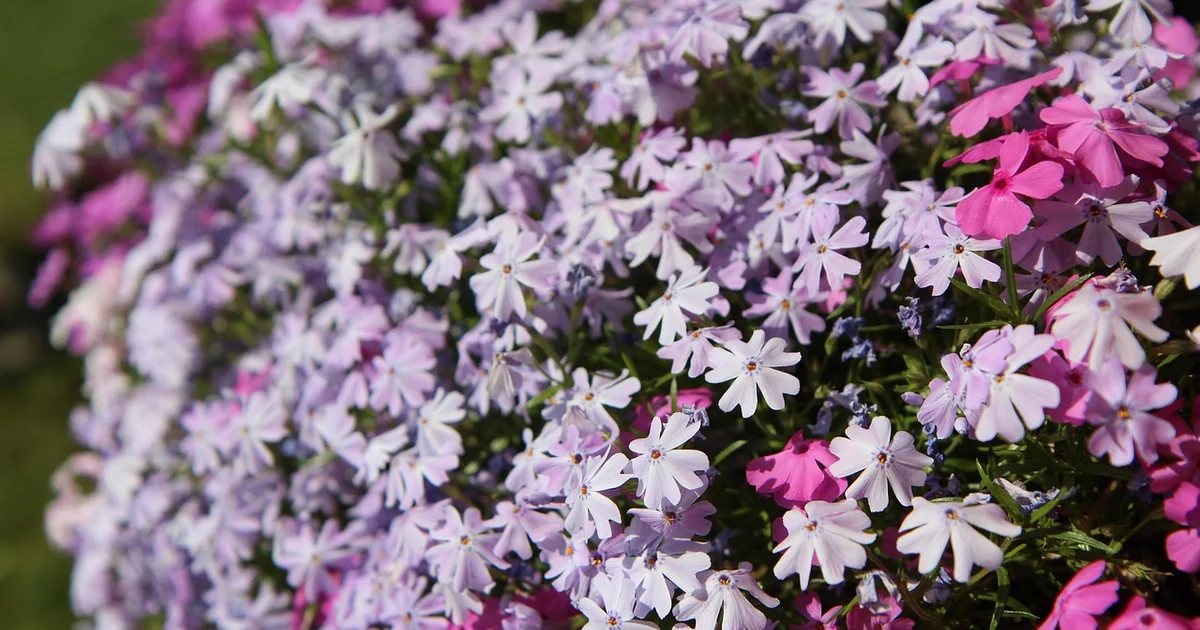
One of the most effective ways to refresh window box planters is to move away from random flower selection and toward a curated color story. Instead of buying whatever is on sale at the local nursery, think about the mood you want to evoke. In the spring, you might aim for a sense of awakening with a palette of soft pastels—lavender, pale yellow, and blush pink. This creates a gentle, hopeful atmosphere as the world wakes up from its winter slumber.
As the heat of summer arrives, you can shift toward high-energy, saturated colors. Think fiery oranges, deep magentas, and electric blues. This approach creates a visual impact that can be seen from the street, making your home stand out. When autumn approaches, transition into a more grounded, earthy scheme. Deep burgundies, burnt oranges, and muted golds mirror the changing leaves and provide a sense of cozy transition. By sticking to a specific color family, your window boxes will look professionally designed rather than cluttered.
3. Utilize the Thriller, Filler, and Spiller Technique
Professional floral designers often use a specific formula to create depth and dimension in containers, and this works perfectly for window boxes. The “Thriller, Filler, Spiller” method prevents your planter from looking flat or one-dimensional. The “Thriller” is your focal point—a plant with height, bold texture, or dramatic form. This might be a tall ornamental grass, a striking upright geranium, or even a structural element like a small piece of driftwood or a decorative branch.
The “Filler” plants are those that sit in the middle tier, surrounding the thriller to create a sense of fullness. These should have a mounding habit and a complementary texture, such as petunias, marigolds, or even leafy herbs like basil. Finally, the “Spiller” plants are the ones that cascade over the edges of the box. Plants like ivy, creeping Jenny, or sweet potato vine create a beautiful “waterfall” effect that softens the hard edges of the container and makes the planting look more integrated into the architecture of the house.
4. Incorporate Edible and Fragrant Elements
But why stop at flowers? A window box does not have to be purely ornamental to be beautiful. Integrating edible plants can add a layer of sensory richness that traditional flowers cannot match. Imagine the scent of fresh lavender or rosemary wafting through your open window on a warm afternoon. This adds an olfactory dimension to your home that enhances the experience of being indoors just as much as being outdoors.
From a practical standpoint, herbs like thyme, mint, and chives are incredibly resilient and can thrive in container environments. If your window box is located near a kitchen window, this becomes a functional herb garden that is easily accessible for cooking. Mixing herbs with ornamental plants also provides natural pest deterrents; for example, the strong scent of marigolds or basil can help discourage certain insects from bothering your more delicate flowers. This creates a mini-ecosystem that is as useful as it is lovely.
5. Introduce Textural Contrast Through Foliage
A common mistake in container gardening is relying too heavily on blooms. While flowers are wonderful, they are often fleeting. To ensure your window boxes look lush even when nothing is in bloom, you must pay close attention to foliage. Textural contrast is the key to visual interest. Pairing a plant with large, broad, waxy leaves (like a Hosta or certain types of Heuchera) with a plant that has fine, feathery foliage (like ornamental grasses or ferns) creates a sophisticated look that catches the eye.
You may also enjoy reading: 7 Mother’s Day Gift Ideas for Her Home That Will Become Her New Favorites.
Consider the play of light on different leaf surfaces. Some plants have matte, velvety leaves that absorb light, while others have glossy, reflective surfaces that shimmer in the sun. By mixing these textures, you create shadows and highlights within the box, giving it a sense of depth. This is especially important during the “shoulder seasons” of spring and autumn, when flower availability might be lower, but foliage remains vibrant and strong.
6. Add Seasonal Decorative Accents and Props
To truly elevate your display, think beyond the biological. Window boxes are essentially small stages, and you can use props to reinforce a seasonal theme. In the autumn, you might tuck small, colorful gourds or mini pumpkins among the foliage of your chrysanthemums. This adds a tactile, harvest-themed element that feels intentional and festive.
During the winter months, when many plants go dormant, you can use decorative elements to maintain interest. Adding architectural branches, such as red twig dogwood or birch, provides structure and a pop of color against the frost. You might even incorporate small, weather-resistant ornaments or fairy lights to create a magical glow during the long winter evenings. These non-living additions allow you to refresh the look of your boxes without having to wait for the next growing season to begin.
7. Rotate Plant Varieties to Prevent Soil Fatigue
One of the most technical ways to refresh window box planters is to practice crop rotation, even in a small-scale container setting. Planting the exact same species in the same soil year after year can lead to a buildup of species-specific pathogens and a depletion of specific micronutrients. By rotating your plant varieties, you break these cycles and promote a healthier growing environment.
If you grew heavy-feeding flowering annuals like petunias last summer, try planting something with different nutritional requirements this season, such as a collection of hardy herbs or even some ornamental grasses. This rotation helps maintain the vitality of the soil and prevents the “tired” look that often plagues perennial containers. It also gives you a creative excuse to experiment with new varieties and keep your garden’s appearance evolving every single year.
Addressing Common Window Box Challenges
Even with the best intentions, window gardening comes with its own set of hurdles. One of the most frequent issues is moisture management. Because window boxes are elevated, they are often more exposed to wind and sun than ground-level gardens, which can lead to rapid evaporation. If you find yourself watering multiple times a day, consider incorporating a layer of organic mulch, such as fine bark or compost, on the surface of the soil. This helps retain moisture and regulates soil temperature.
Another challenge is the physical weight of the containers. A large window box filled with wet soil and heavy plants can put significant strain on the mounting hardware or the window sill itself. Before you embark on a major refresh, always inspect your brackets and fasteners. Ensure they are securely anchored into the house framing rather than just the siding, and consider using lightweight potting mixes that incorporate perlite or vermiculite to reduce the overall load without sacrificing aeration.
Finally, pests can be a nuisance in concentrated planting areas. Because plants in window boxes are often crowded together, an infestation of aphids or spider mites can spread rapidly. Regular inspection is key. A simple spray of water or a mild insecticidal soap can often resolve issues before they become overwhelming. By staying proactive and viewing your window boxes as living, breathing entities that require consistent care, you can ensure they remain a stunning highlight of your home’s exterior for years to come.
Whether you are simply swapping out a few spent pansies or completely redesigning your containers from the ground up, the process of refreshing your greenery is a rewarding way to connect with the changing seasons. A little bit of planning and a few strategic changes can turn a simple windowsill into a breathtaking display of color and life.