From restaurant menus to TikTok reels and subreddits, tinned fish are seemingly everywhere these days, and the wide array of flavors and varieties now available across the country go far beyond the canned tuna and anchovies you might be used to. This culinary trend, deeply ingrained in Mediterranean food cultures for centuries, has experienced a remarkable resurgence in popularity. It’s easy to see why – tinned fish offers a convenient, shelf-stable source of protein, presents an accessible element of luxury, and provides an easy and delicious way to explore global flavors. If you’re new to this exciting world, understanding where to begin can feel a little daunting. To guide you through the process, we spoke with Anna Hezel, author of Tin to Table: Fancy, Snacky, Recipes for Tin-thusiasts and A-fish-ionados, and Julia Merid, category merchant at Whole Foods Market. Never lose a BHG recipe again. Find a recipe you love on BHG.com? Click the heart icon to save it (and find it later) with MyRecipes.com.
What Are Tinned Fish?
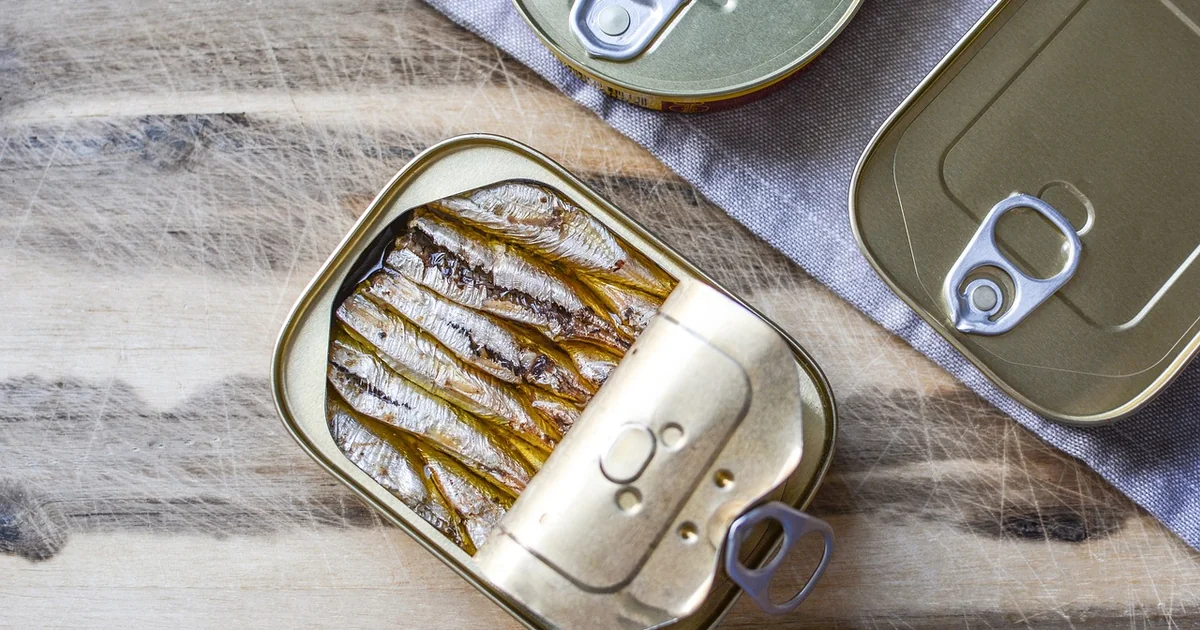
Tinned fish, more accurately termed tinned seafood, represents fresh seafood that undergoes a preservation process of cooking (typically through steaming or smoking) followed by sealing within an airtight container – traditionally a tin or can. This airtight seal is then subjected to heat-sterilization, a method designed to lock in the seafood’s inherent freshness and distinctive flavor profile. The selection isn’t limited to familiar options; alongside popular choices like sardines, tuna, anchovies, mackerel, trout, and salmon, you’ll discover a range of shellfish, including clams, mussels, oysters, and even squid. These seafood delights are commonly preserved in water or oil, but many producers elevate the experience by incorporating flavorful additions such as vibrant sauces, brines, ragouts, escabeches, or pestos. The possibilities are truly expansive – envision sardines bathed in a tangy tomato sauce, trout infused with aromatic curry, mussels simmered in a bright escabeche, or spiced calamari nestled in a rich ragout. The sheer variety available today is a testament to the evolving nature of this culinary tradition.
Why Are Tinned Fish So Popular?
The appeal of tinned seafood is not a recent phenomenon. It holds a significant place in the culinary heritage of Spain and Portugal, where these preserved seafood creations, known as “conservas,” have been a staple for generations. However, in recent years, tinned seafood has experienced a significant surge in popularity within the United States. Its presence is now evident on diverse menus – from upscale restaurants to casual eateries, and even gaining traction on social media platforms like TikTok and within online communities like subreddits. The increasing accessibility of brands originating from Spain and Portugal, such as JOSÉ Gourmet, Matiz, and Nuri, has played a key role in this expansion. Furthermore, newer North American brands like Fishwife, Patagonia Provisions, Scout Canning, and Siesta Co. have successfully carved out their own niche in the market. Hezel points to the transformative impact of the COVID-19 pandemic as a major catalyst for this renewed interest. During periods of lockdown and increased time spent cooking at home, consumers proactively stocked their pantries with shelf-stable provisions. This shift coincided with a broader movement towards prioritizing lean, protein-rich foods. “COVID changed so many of our habits as consumers—it convinced us to buy more specialty groceries online, and to keep our pantries stocked with shelf-stable protein,” Hezel explains. “This coincided with a general interest in lean, sustainable proteins. This shift in consumer behavior also just means that there are so many brands of tinned fish available in the U.S. now that were hard to find even four or five years ago.” Merid echoes this sentiment, noting the surge in demand for protein-rich options. “Tinned fish has surged in popularity as a convenient, nutrient-rich protein source,” Merid states. “It really is the purest protein you can find in the center aisles of a grocery store! Food influencers are showing consumers how easily these products transform into quick, delicious meals, how they can be added to a charcuterie board, or even serve as an on-the-go snack. The use cases for tinned fish are so versatile!”
Beginner-Friendly Tinned Fish Varieties
With a vast array of tinned seafood options now readily available, navigating the selection can feel overwhelming for newcomers. Understanding the different types and their characteristics is the first step toward confidently buy tinned fish. Here’s a breakdown of some beginner-friendly varieties:
Sardines
Often considered the quintessential tinned fish, sardines are small, oily fish packed in water or oil. They boast a distinct, slightly salty flavor and a tender, flaky texture. Sardines are an excellent source of omega-3 fatty acids, vitamin D, and calcium due to the inclusion of their edible bones. They come in various preparations, including plain, with olive oil, lemon, or in flavorful sauces like tomato or chili. Their affordability and nutritional benefits make them a fantastic starting point.
Tuna
Tuna is another widely popular choice, available in various forms. Albacore tuna, known for its lighter color and milder flavor, is often packed in water or olive oil. Skipjack tuna, more commonly found, has a stronger, more assertive taste and is often packed in oil. Both are excellent sources of protein and vitamin B12. Tuna is incredibly versatile and can be enjoyed straight from the can, in salads, or as a component of pasta dishes.
Anchovies
Don’t let their small size fool you; anchovies pack a powerful umami punch. These tiny fish are typically preserved in oil, often with salt and sometimes vinegar or lemon. They have a salty, savory flavor that intensifies when heated. Anchovies are a key ingredient in many classic Mediterranean dishes and add a depth of flavor to sauces, pizzas, and salads. They are a good source of calcium and omega-3 fatty acids.
Mackerel
Mackerel is a flavorful oily fish with a slightly stronger taste than tuna. It’s packed with omega-3 fatty acids and vitamin B12. Mackerel can be found packed in water or oil, and its firm texture makes it suitable for salads, sandwiches, or grilled preparations.
Salmon
Tinned salmon offers a convenient way to enjoy this nutritious fish. It’s typically packed in water or olive oil and has a rich, buttery flavor. Salmon is an excellent source of omega-3 fatty acids and vitamin D. It’s delicious on toast, in salads, or as part of a pasta dish.
Trout
Tinned trout has a mild, delicate flavor and a flaky texture. It’s often packed in olive oil or curry sauce, offering a unique and aromatic twist. Trout is a good source of protein and omega-3 fatty acids and can be enjoyed on its own or incorporated into various recipes.
Mussels and Clams
For those who enjoy shellfish, tinned mussels and clams are excellent options. They are typically packed in brine or water and have a briny, oceanic flavor. These are fantastic additions to pasta dishes, stews, or enjoyed as a simple appetizer.
How to Buy Tinned Fish: A Shopping Guide
Finding quality tinned fish is easier than ever. Here’s what to look for when you buy tinned fish:
You may also enjoy reading: 7 Simple Sustainable Swaps for a Greener Home and Closet.
Read the Label
Pay attention to the ingredients list. Ideally, you want a product with minimal ingredients – fish, water or oil, and perhaps salt. Avoid those with added sugars, artificial flavors, or excessive preservatives. Check the country of origin, as this can sometimes indicate the quality and sustainability of the fish.
Choose the Packing Medium
Tinned fish is typically packed in water or oil. Water-packed options are generally lower in calories, while oil-packed varieties offer a richer flavor and can provide additional healthy fats. Olive oil is a popular and flavorful choice.
Consider the Preparation
Tinned fish comes in various preparations – plain, with lemon, herbs, or in flavorful sauces. Choose a preparation that aligns with your taste preferences and intended use.
Look for Quality Brands
Explore brands known for their quality and sustainably sourced fish. Many smaller, artisanal brands are emerging, offering unique flavors and higher-quality ingredients. Don’t hesitate to experiment with different brands to find your favorites.
Storing and Enjoying Tinned Fish
Tinned fish boasts a long shelf life due to the preservation process, making it a convenient pantry staple. Typically, unopened cans or tins can last for several years. Once opened, it’s best to transfer the fish and oil (if applicable) to an airtight container and store it in the refrigerator for up to 3-5 days. Buy tinned fish in quantities you can reasonably consume within this timeframe.
Enjoying tinned fish is incredibly versatile. Here are a few ideas:
- Straight from the can: Simply open a can and enjoy it with a drizzle of olive oil, a squeeze of lemon, and a sprinkle of fresh herbs.
- Salads: Flake tinned fish over a fresh salad with greens, vegetables, and a vinaigrette dressing.
- Sandwiches and Toast: Add tinned fish to your favorite sandwich or spread it on toast with avocado or cream cheese.
- Pasta Dishes: Incorporate tinned fish into pasta sauces for a burst of flavor and protein.
- Charcuterie Boards: Include a selection of tinned fish on your charcuterie board for a sophisticated touch.
- Appetizers: Serve tinned fish with crackers, vegetables, and a dipping sauce.
Why Are Tinned Fish Sustainable?
In an era of increasing environmental awareness, tinned fish is often considered a more sustainable seafood option compared to many other types of seafood. This is largely due to the fact that the fish are typically caught at higher population levels and are often smaller, representing less pressure on the ecosystem. Many brands also prioritize sustainable fishing practices, focusing on species with healthy populations and minimizing bycatch. Look for certifications like the Marine Stewardship Council (MSC) label to ensure the fish has been sourced responsibly. This makes buy tinned fish a choice that is both delicious and environmentally conscious.
With its convenience, nutritional benefits, and diverse flavor profiles, tinned fish is poised to remain a popular food trend. Whether you’re a seasoned foodie or a culinary novice, exploring the world of tinned seafood is an enjoyable and rewarding culinary adventure. These preserved delights offer a simple yet sophisticated way to elevate your meals and discover new tastes.