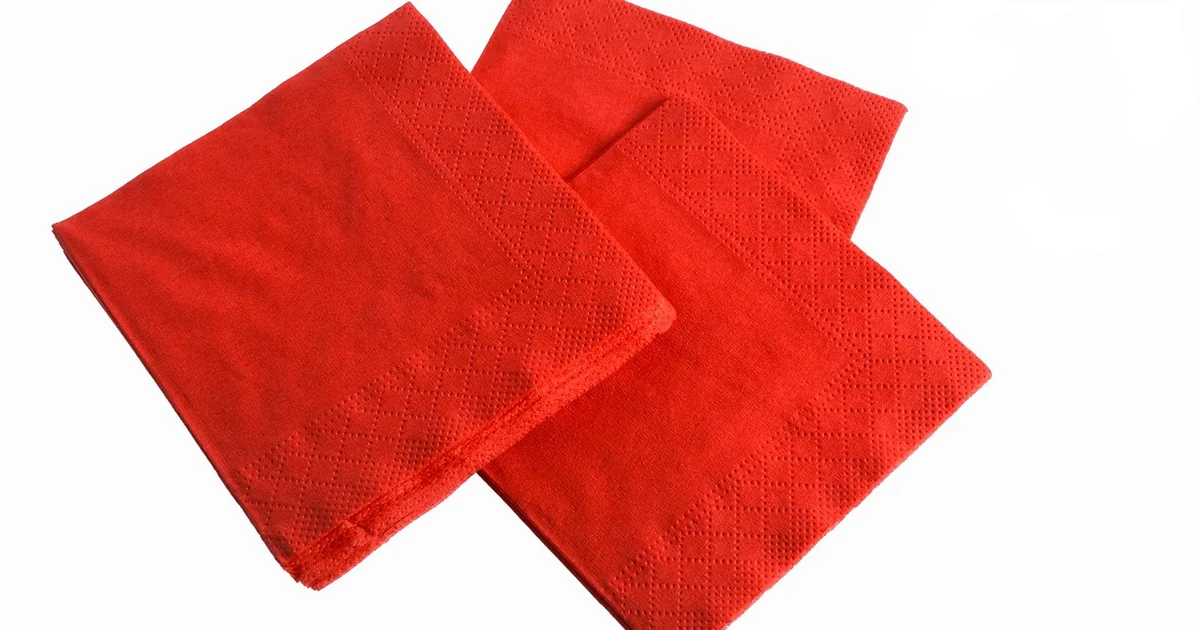
There is a certain sense of relief that comes with reaching for a fresh roll of paper towels when a spill occurs. They are the ultimate multitaskers in a modern household, offering instant absorbency and the luxury of being tossed away immediately after use. However, this convenience often masks a hidden cost. While they excel at soaking up a spilled glass of milk or wiping a countertop after a meal, these disposable sheets are actually quite aggressive. Because they are manufactured from wood pulp, they possess a microscopic texture that can be surprisingly abrasive to certain materials. If you find yourself cleaning with paper towels on every surface in your home, you might be inadvertently causing cumulative damage that is difficult, or even impossible, to repair.
1. Digital Displays and Electronic Screens
Are your electronic screens being permanently etched by your cleaning routine? This is a question many tech owners ask only after they notice a strange, cloudy film or a series of fine lines appearing on their expensive devices. Whether it is a high-definition television, a sleek laptop, or the smartphone that never leaves your side, these screens are marvels of engineering that rely on extremely thin, delicate protective layers.
Many modern displays utilize oleophobic coatings, which are designed to repel oils from your fingertips. When you use a paper towel, the abrasive wood fibers can microscopicly strip away these coatings. Over time, the screen loses its ability to stay clean, and you will find yourself needing to wipe it more frequently, which only accelerates the degradation. Even worse, the pressure required to wipe away a smudge with a paper towel can cause “etching,” where the physical texture of the paper leaves a permanent mark on the plastic or glass substrate.
The Professional Solution for Electronics
To protect your digital investments, you should transition to using a high-quality microfiber cloth. Microfiber is engineered with split fibers that are significantly smaller than a human hair, allowing them to lift oils and dust without applying abrasive pressure.
Follow these steps for a safe clean:
- Power down the device completely to avoid any electrical interference or heat issues.
- Use a dry microfiber cloth to gently wipe away loose dust.
- If smudges persist, lightly dampen a corner of the cloth with a tiny amount of distilled water. Never spray liquid directly onto the screen, as it can seep into the bezel.
- Wipe in a gentle, circular motion without applying heavy pressure.
- Use the dry section of the cloth to buff away any remaining moisture.
If you are dealing with earbuds or the small crevices of a phone housing, avoid paper towels at all costs to prevent lint from clogging the speakers or charging ports. Instead, use a specialized non-woven wipe or a very soft, dry microfiber tool designed for precision cleaning.
2. Polished Wood Furniture and Flooring
Stop moving dust around your wood furniture instead of actually cleaning it. It is a common frustration: you see a layer of dust on your mahogany side table, you grab a paper towel, and after a few swipes, the dust seems to have simply migrated to the edges or disappeared into the grain, leaving the surface looking just as dull as before. This happens because paper towels lack the electrostatic properties required to actually capture fine particles.
Wood is a living, breathing material. It expands and contracts with humidity, and its surface is often finished with oils, waxes, or lacquers. Paper towels are notoriously poor at “grabbing” dust; instead, they tend to push the particles across the surface. If the wood has a visible grain, the paper fibers can also snag on the microscopic ridges of the finish, creating tiny “fuzz” marks that are incredibly difficult to buff out. Over years of cleaning with disposables, the finish on your heirloom furniture can become micro-scratched, leading to a loss of luster that makes the wood look aged and tired.
Better Ways to Maintain Wood Surfaces
The goal when cleaning wood should be to lift the dust away from the surface, not just redistribute it. For this, specialized tools are much more effective than any disposable option.
Consider these alternatives:
- Microfiber Mitts: These are excellent for larger surfaces like dining tables. The mitt allows you to apply even, gentle pressure while the fibers trap dust within the cloth.
- Washable Dusters: High-quality dusters made from synthetic blends are designed to create a slight static charge, which actively pulls dust toward the tool.
- Soft Cotton Cloths: For applying wood conditioners or oils, a clean, lint-free cotton cloth is the gold standard. It ensures the product is absorbed into the wood rather than being wiped away by a thirsty paper towel.
3. Eyewear and Protective Lenses
Your eyewear might be covered in tiny, invisible scratches from paper towels. We often treat our glasses as an afterthought, quickly wiping them on a shirt or a stray napkin when they get smudged. However, if you reach for a paper towel, you are essentially performing a slow-motion demolition of your lenses. Whether you wear expensive prescription frames, designer sunglasses, or even safety goggles for work, the lenses are highly susceptible to damage.
Most modern lenses are treated with various coatings, such as anti-reflective (AR) coatings, UV protection, or scratch-resistant layers. These coatings are incredibly thin—often measured in nanometers. The rough texture of wood pulp fibers can easily scratch through these coatings, leading to “crazing,” which looks like a web of tiny cracks under certain lighting. Once an anti-reflective coating is scratched, it cannot be repaired; the only solution is a lens replacement.
The Safe Eyewear Cleaning Protocol
To keep your vision clear and your lenses intact, adopt a ritual that focuses on gentle decontamination rather than aggressive wiping.
Here is the safest method:
- Rinse your glasses under a gentle stream of lukewarm water. This removes any abrasive grit or sand that might be sitting on the lens, which would otherwise be ground into the surface during wiping.
- Apply a single drop of mild, lotion-free dish soap to your fingertips. Avoid soaps with heavy perfumes or moisturizers, as these can leave a film.
- Gently rub both sides of the lenses and the nose pads with your soapy fingers.
- Rinse thoroughly with lukewarm water until all soap is gone.
- Dry the lenses and frames using a clean, dedicated microfiber cloth specifically meant for eyewear.
Never use paper towels, tissues, or even your clothing, as these all contain abrasive fibers that can compromise the lens integrity over time.
4. Stainless Steel Appliances and Fixtures
Stainless steel is a staple of the modern kitchen, valued for its sleek, professional appearance. However, it is also a surface that demands respect. You can use a paper towel in a pinch to wipe away a spilled sauce or a blob of grease, but for regular cleaning, you are playing a dangerous game. Stainless steel is prone to showing every single microscopic scratch, and paper towels are notorious for leaving behind fine, linear marks that dull the metal’s reflective quality.
The problem is compounded by the “grain” of the steel. Most stainless steel surfaces have a brushed finish that runs in a specific direction. If you use a paper towel and scrub in a circular motion or against the grain, you are essentially carving tiny grooves into the metal. Once these scratches become deep enough, they catch light in a way that makes the appliance look dirty or aged, even when it is technically clean. Furthermore, paper towels often leave behind lint that can get trapped in the brushed texture, creating a messy appearance.
Restoring the Shine to Stainless Steel
To maintain that showroom glow, you need tools that buff rather than scrub. Instead of cleaning with paper towels, try these methods:
The T-Shirt Method: An old, 100% cotton t-shirt is one of the best cleaning tools for stainless steel. The knit is incredibly soft and lacks the abrasive cellulose fibers of paper. Use a clean t-shirt to wipe in the direction of the grain to remove grease, and then use a dry section to buff the surface to a high shine.
Microfiber Buffing: For a more polished look, use a microfiber cloth. These are particularly effective at removing the fingerprints and oil streaks that frequently plague refrigerator handles and oven doors.
A Note on Cleanliness: Always ensure your cloth is free of any trapped debris before you begin buffing. A single grain of salt trapped in a cloth can cause more damage than a paper towel ever could.
5. Hand-Painted Dishware and Delicate Glassware
Don’t risk ruining your hand-painted china with a single swipe of a paper towel. We often reserve our finest dishes for special occasions, yet we sometimes treat them with the same casualness as our everyday stoneware. If you have inherited beautiful, hand-painted plates or delicate glassware, you must be extremely careful during the drying process.
The pigments used in hand-painted ceramics are often applied as a glaze or a fine layer of mineral-based paint that sits on the surface. While these are baked in, they can still be sensitive to mechanical abrasion. A paper towel, which is designed to be somewhat “scrubby” to handle spills, can actually wear down the edges of the painted designs or even lift small flakes of pigment if the paint is slightly aged. Similarly, fine crystal or delicate glassware can develop “micro-scratches” that make the glass look cloudy over time.
Protecting Your Heirloom Collection
When handling items that have sentimental or high monetary value, your cleaning routine should be as gentle as possible.
You may also enjoy reading: 3 DIY Weed Killers I Tried That Actually Work.
For hand-painted ceramics:
- Always hand-wash these items in lukewarm water using a gentle, non-abrasive soap.
- Avoid using any scrubbing pads or even the rough side of a sponge.
- When drying, do not rub the surface. Instead, use a soft, lint-free cotton towel and gently blot the water away. This prevents the friction that leads to paint wear.
For delicate glassware:
- Use a dedicated microfiber glass cloth. These are specifically woven to be lint-free and highly absorbent.
- Steam the glass slightly by holding it over a pot of hot water to loosen any water spots, then wipe gently with the microfiber cloth.
6. Leather Goods and Furniture
Leather is a premium material that provides warmth and luxury to a home, whether it is a high-end sofa, a designer handbag, or a pair of cherished boots. However, leather is essentially skin, and it requires hydration and gentle handling. If you’ve ever tried to wipe a leather spill with a paper towel, you might notice that the towel seems to “drag” or feel stiff. This is a warning sign.
Paper towels can be quite drying. Because they are designed to be highly absorbent, they don’t just pick up the spill; they can also suck the natural oils out of the leather. This leads to a process called desiccation, where the leather becomes brittle, loses its flexibility, and eventually begins to crack. Furthermore, the abrasive nature of the wood pulp can scratch the “top grain” of the leather, which is the most visible and expensive layer. Once the top grain is scratched, the damage is permanent.
The Proper Way to Clean and Condition Leather
To extend the life of your leather, you should move away from disposable wipes and toward a more intentional care routine.
Step 1: Gentle Cleaning. Use a soft, damp microfiber cloth to wipe away surface dust or light spills. Avoid using excessive water, as moisture can cause staining or warping in some types of leather.
Step 2: Specialized Cleaners. If the leather is particularly dirty, use a cleaner specifically formulated for leather. Apply the cleaner to a soft cotton cloth first, rather than directly onto the leather, to ensure even distribution.
Step 3: Conditioning. This is the most crucial step. To prevent the drying effect that paper towels cause, apply a high-quality leather conditioner using a soft cloth. This replenishes the oils and keeps the leather supple.
Step 4: Buffing. Once the conditioner has been absorbed, use a clean, dry microfiber cloth to buff the surface. This will bring out a natural, healthy luster without the risk of scratching.
7. Fine Jewelry and Gemstones
Finally, we must consider the smallest but often most valuable items in our homes: our jewelry. You might think that a quick wipe with a paper towel is a safe way to remove a smudge from a diamond ring or a gold necklace, but this can actually lead to unexpected issues. Jewelry is often a complex assembly of metal, stone, and tiny settings that hold everything together.
One of the primary issues with cleaning with paper towels in the context of jewelry is lint. Many gemstones, particularly those with intricate cuts like emeralds or even diamonds, have tiny crevices and “under-hangs” in their settings. Paper towel fibers are notorious for breaking off and becoming trapped in these microscopic spaces. Once lint is lodged in a jewelry setting, it can be incredibly difficult to remove and can actually dull the brilliance of the stone by trapping dirt and oils against the facet. Additionally, the abrasive nature of the paper can scratch softer gemstones like pearls or opals, which are extremely sensitive to surface damage.
How to Make Your Jewelry Sparkle Safely
Maintaining the brilliance of your jewelry requires a delicate touch and the right materials.
For Gold and Diamonds:
- Soak the jewelry in a bowl of warm water mixed with a few drops of mild, phosphate-free dish soap for about 20 to 30 minutes. This loosens oils and dirt.
- Use an extremely soft-bristled toothbrush to gently clean around the settings and under the stones.
- Rinse thoroughly in clean water.
- Dry the piece using a lint-free microfiber cloth. Ensure you pat it dry rather than rubbing it vigorously.
For Pearls and Soft Stones:
These should never be soaked. Instead, use a soft, damp cloth to wipe them gently, and dry them immediately with a soft, dry microfiber cloth. Avoid any chemical cleaners or even the slight abrasiveness of a paper towel.
By making these small shifts in your cleaning habits—replacing the disposable paper towel with a reusable microfiber cloth, a soft cotton rag, or a specialized tool—you aren’t just being more environmentally conscious. You are actively preserving the beauty and longevity of the items that make your house a home. While paper towels have their place in the kitchen for the messy moments, your most valued possessions deserve a much softer touch.