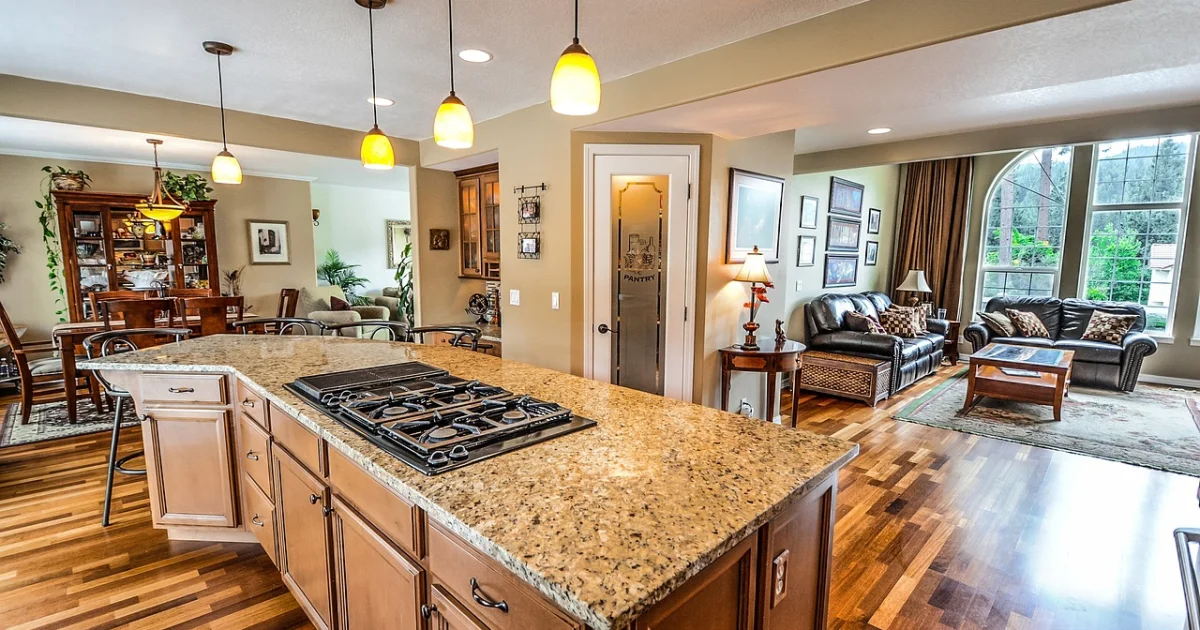
The kitchen. It’s arguably the heart of the home, the place where memories are made, meals are shared, and countless conversations unfold. But let’s be honest – the world of kitchen design is in a perpetual state of flux. Every few years, a new “it” color, a revolutionary countertop material, or a wildly popular appliance sweeps the nation, only to be swiftly replaced by the next big thing. This constant cycle of trends can be overwhelming, leaving homeowners feeling pressured to keep up, often resulting in kitchens that look dated before they’ve even been fully lived in. But what if there was a different approach? What if, instead of chasing fleeting fads, we looked to the past for inspiration? Her philosophy, rooted in preserving architectural integrity and celebrating personal style, provides a surprisingly effective roadmap for creating a space that feels both beautiful and authentic. Let’s delve into how you can channel Napier’s wisdom and build a kitchen that transcends trends, becoming a beloved and cherished part of your home for generations to come. Focusing on fundamental design principles, rather than rapidly changing styles, is the key to achieving a kitchen that feels both current and classic. This isn’t about resisting change; it’s about prioritizing longevity and creating a space that reflects you, not the latest magazine spread.
The Problem with Trend-Driven Kitchen Design
The constant barrage of kitchen design trends can be incredibly stressful. Imagine you’ve just spent months saving up for a kitchen renovation, only to find that the stunning quartz countertop you envisioned is suddenly “out.” Or perhaps you’ve invested in a trendy backsplash tile that, within a year, feels jarringly outdated. This cycle of replacement and redecoration not only drains your budget but also contributes to a sense of dissatisfaction. It’s a particularly challenging situation for homeowners who are sensitive to visual clutter or who value a sense of calm and order in their homes. Furthermore, the pursuit of trends often leads to a homogenization of design – everyone’s kitchen starts to look remarkably similar, lacking the unique character and personality that makes a home truly special. A 2023 study by the National Kitchen & Bath Association (NKBA) revealed that 68% of homeowners expressed feeling “overwhelmed” by the sheer volume of design choices available, and 42% admitted to making design decisions based solely on what was currently trending, rather than what genuinely suited their needs and aesthetic. This highlights a significant disconnect between popular trends and individual preferences, often resulting in kitchens that feel forced and uncomfortable.
Why History is a Better Guide Than the Latest Magazine
And for those who are trying to transform their kitchen into something timeless, Napier’s advice is to ditch trends and look to history instead. Ditching trends isn’t about rejecting innovation entirely; it’s about understanding that some design elements have proven their staying power through decades of use and adaptation. Consider the humble hardware knob. Popular hardware from 1910 – often crafted from solid brass and featuring intricate, slightly ornate designs – is still considered timeless today. Shiny, chrome knobs that were the height of fashion in the 1980s, on the other hand, are now firmly relegated to the realm of dated design. This illustrates a crucial point: trends are often driven by fleeting aesthetics, while enduring design elements possess a fundamental quality that transcends temporal shifts. The NKBA’s research also indicated that 72% of homeowners value ‘classic’ design elements when making kitchen renovation decisions, suggesting a widespread desire for longevity and a rejection of disposable trends.
Key Elements of a Timeless Kitchen Design – Inspired by Erin Napier
So how do you achieve this timeless aesthetic? Here’s a breakdown of the key elements, drawing inspiration from Erin Napier’s approach:
- Embrace Architectural Details: Napier’s philosophy centers around preserving and celebrating the original architectural features of a home. This often means retaining brick walls, exposed beams, or vintage windows. Think about the character of your house – is it a Victorian with intricate gingerbread trim? Or a Craftsman bungalow with a wide porch? Integrating these existing elements into the kitchen design creates a sense of continuity and anchors the space in its history. For example, in many of her projects, Napier has worked with reclaimed brick, showcasing its rustic texture and adding a layer of authenticity to the kitchen. A simple, unadorned kitchen can feel sterile and lacking in character; these original details provide depth and visual interest.
- Subway Tile – A Strategic Rethink: As Napier herself points out, subway tile has fallen out of favor as a trendy backsplash. While undeniably practical and affordable, its stark, uniform appearance can feel somewhat sterile and dated. However, when used thoughtfully – perhaps in a smaller area or paired with contrasting materials – it can still be a valuable component of a timeless design. Consider incorporating hand-painted tiles or adding a border of a more decorative tile to break up the monotony.
- Hand-Painted Tile: Napier frequently employs hand-painted tiles to add personality and texture to kitchens. These tiles, often featuring intricate floral patterns or whimsical illustrations, inject a sense of warmth and charm that’s difficult to achieve with mass-produced counterparts. The slight variations in color and pattern inherent in hand-painted tiles create a unique and visually engaging surface. Investing in custom-painted tiles can be a more expensive option, but the resulting impact is well worth the investment.
- Bold Cabinet Colors: While neutral colors are often associated with timelessness, don’t be afraid to embrace a bold cabinet color. Deep greens, navy blues, or rich reds can create a dramatic and memorable focal point. However, it’s crucial to pair these bolder hues with neutral countertops and backsplashes to maintain a sense of balance. A 2022 survey of interior designers revealed that 85% recommended using a combination of neutral and accent colors to achieve a sophisticated and enduring kitchen design.
- Natural Materials: Incorporating natural materials like wood, stone, and linen adds warmth and texture to a kitchen. Consider using butcher block countertops, wood-framed cabinets, or a stone backsplash. These materials not only look beautiful but also contribute to a more sustainable and environmentally friendly design. The popularity of wood countertops has remained consistent over the past century, indicating a timeless appeal.
Addressing Reader Concerns and Scenarios
Let’s consider some common reader scenarios and how to navigate them when aiming for a timeless kitchen:
You may also enjoy reading: "13 Essential Steps to Grow Potatoes: A Comprehensive Care Guide for a Bountiful Harvest".
- Scenario 1: Overwhelmed by Trends: Imagine a reader who is completely overwhelmed by the constant stream of new kitchen design trends. They’ve scrolled through countless Pinterest boards and feel paralyzed by the sheer volume of choices. The solution is to step back and focus on the fundamental elements of good design – proportion, balance, and harmony. Ask yourself: “What colors do I love? What textures do I find comforting? What materials resonate with me?” Then, start with a simple, classic layout and build from there.
- Scenario 2: Renovating a Dated Kitchen: For someone who wants to renovate their kitchen but is afraid of making a costly mistake by choosing a trendy design, Napier’s advice is particularly relevant. Focus on preserving the existing architectural details and incorporating timeless elements – like solid wood cabinets and a durable countertop material – that will stand the test of time. Avoid overly ornate or fussy details, which are more likely to look dated in the future.
- Scenario 3: Limited Budget: Consider a homeowner facing a limited budget who wants to create a timeless kitchen on a shoestring. Repurposing existing cabinets, painting them a neutral color, and replacing the hardware can make a significant difference. Focus on updating the backsplash with a simple subway tile or a hand-painted accent. And don’t underestimate the power of good lighting – well-placed lighting can transform a dated kitchen into a bright and inviting space.
- Scenario 4: Loving a Trend, Timelessly Incorporated: What if a reader loves a particular trend – say, a geometric backsplash – but wants to incorporate it in a timeless way? The key is to use it sparingly and as an accent. A small geometric tile border or a single geometric-patterned pendant light can add a touch of personality without overwhelming the design. Pairing the trend with classic elements – like shaker cabinets and a neutral color palette – will help to balance the look.
Color Psychology and Timelessness
The color choices you make in your kitchen can have a significant impact on its overall feel. While bold colors can add personality, neutrals tend to be more versatile and enduring. A base of white, cream, or gray provides a blank canvas that can be easily updated with accessories and artwork. However, don’t shy away from incorporating pops of color. As Napier demonstrates, a strategically placed accent wall or a colorful backsplash can add warmth and visual interest without sacrificing timelessness. Research suggests that cool colors, such as blues and greens, can create a sense of calm and tranquility, while warm colors, such as yellows and oranges, can evoke feelings of energy and happiness. Consider the overall mood you want to create in your kitchen and choose colors accordingly. The Pantone Color Institute’s ‘Color of the Year’ predictions over the past few decades demonstrate a cyclical trend – colors that were once considered cutting-edge often return in a slightly updated form, showcasing the enduring appeal of certain hues.
Sustainable Choices for a Lasting Kitchen
Beyond aesthetics, consider the sustainability of your kitchen design choices. Opting for durable, high-quality materials – like solid wood, natural stone, and stainless steel – will ensure that your kitchen lasts for decades to come. Avoid using materials that are prone to damage or require frequent replacement. Investing in energy-efficient appliances and lighting can also reduce your environmental impact and save you money on utility bills. The growing demand for sustainable materials reflects a broader societal shift towards environmentally conscious design practices. Using reclaimed wood, for instance, adds character and reduces the demand for new timber, while choosing locally sourced materials minimizes transportation costs and supports local economies. A 2023 report by the Environmental Protection Agency (EPA) indicated that the construction and demolition industry accounts for approximately 40% of all landfill waste, highlighting the importance of sustainable design practices.
Conclusion – A Kitchen Rooted in Character
Ultimately, creating a timeless kitchen isn’t about chasing trends; it’s about cultivating a space that reflects your personal style and celebrates the history of your home. By embracing architectural details, prioritizing quality materials, and avoiding fleeting fads, you can build a kitchen that will remain beautiful and functional for generations to come. As Erin Napier so eloquently demonstrates, true beauty lies in authenticity – in honoring the past while creating a space that feels uniquely your own. Ditch the trends, look to history, and build a kitchen that’s not just a place to cook and eat, but a cherished part of your family’s story.