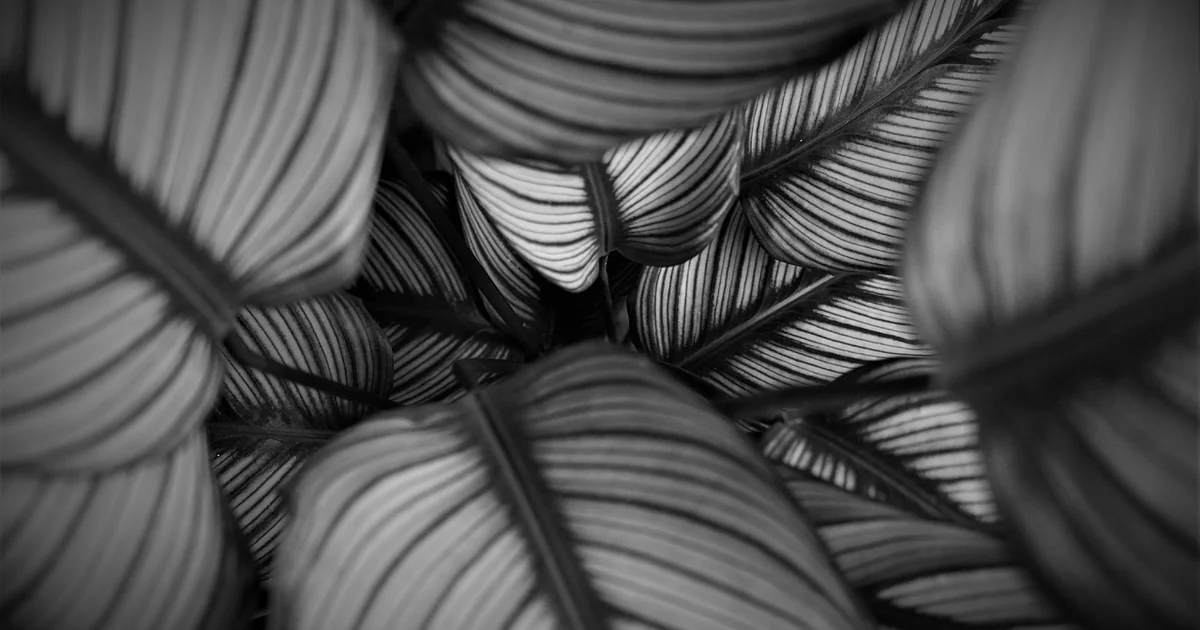
There is a certain quiet confidence to a Calathea ornata. Its deep green leaves, painted with fine pink stripes that look like delicate brushstrokes, make it a standout in any indoor garden. But many plant owners will tell you a story of heartbreak with this one. You bring home a lush, perfect specimen, and within weeks, the leaf edges turn brown and crispy. The pink stripes fade. The leaves curl inward as if in protest. The pinstripe plant has a reputation for being finicky, and that reputation is earned. However, the difficulty is not a mystery. It is a set of specific demands. When you understand the secrets behind its native environment in the tropical understories of Central and South America, success becomes predictable.
2. Water with Precision: The Moisture Balance Act
Watering is where most calathea owners lose their nerve. The plant demands consistency, but its needs are specific. The soil must remain evenly moist—think of a wrung-out sponge—but never soggy. Allowing the soil to dry out completely, even for a day, will cause the leaves to curl and the edges to crisp. Overwatering, however, invites root rot, a silent killer that turns the roots into a brown, mushy mess.
The secret is to use tepid, filtered water. Calatheas are notoriously sensitive to the chemicals and minerals found in tap water, especially chlorine and fluoride. These compounds accumulate in the leaf tips and margins, causing the characteristic brown edges that plague so many owners. Fill a watering can and let it sit out for 24 hours to allow chlorine to dissipate, or use distilled or rainwater. Water thoroughly until it runs from the drainage holes, then empty the saucer. Do not water again until the top inch of soil feels dry to your finger. This rhythm—a deep soak followed by a slight drying period—is the foundation of good calathea ornata care.
3. Build the Perfect Soil: The Peat-Based Foundation
Standard potting soil is a recipe for failure with this plant. It either holds too much water, leading to rot, or drains too quickly, leaving the roots dry. The pinstripe plant needs a soil mix that is both airy and moisture-retentive. This is a balancing act that many commercial mixes fail to achieve.
The ideal recipe mimics the loose, organic-rich floor of a tropical forest. A peat-based mix is the gold standard. Combine two parts peat moss or coco coir, two parts orchid bark (for aeration and structure), two parts perlite (for drainage), and one part organic compost (for nutrients). This mixture holds moisture like a sponge but has enough chunky material to allow oxygen to reach the roots. Some experienced growers find that a high-quality African violet potting mix works perfectly as a ready-made alternative. The key is to avoid heavy, clay-based soils or anything labeled “moisture control” that can become waterlogged. The right soil makes every other aspect of calathea ornata care significantly easier.
4. Create a Humid Microclimate: The 60 Percent Rule
If you live in a dry climate or run your air conditioning or heating often, your Calathea ornata is likely struggling. The average home has a relative humidity of around 30 to 40 percent, especially in winter. This plant, native to rainforests where humidity hovers around 60 to 80 percent, will show its displeasure by developing brown, crispy leaf edges and a general lackluster appearance.
Misting is a popular but largely ineffective solution. The water droplets evaporate within minutes and can even promote fungal diseases on the leaves if done excessively. The secret is to create a stable, humid microclimate. A small humidifier placed nearby is the most effective tool. Alternatively, group your calathea with other humidity-loving plants like ferns and philodendrons. As they transpire, they create a pocket of moist air around each other. A pebble tray—a shallow dish filled with water and pebbles, with the pot resting on top of the pebbles (not in the water)—also adds localized humidity. For a struggling plant, you can temporarily tent a clear plastic bag over it to trap moisture, creating a mini greenhouse. This is especially helpful for new divisions or plants recovering from stress.
5. Feed Strategically: Less is More During Dormancy
Fertilizing a Calathea ornata is not about dumping plant food on it every week. These plants are moderate feeders, and they are sensitive to salt buildup from synthetic fertilizers. Over-fertilizing can burn the roots, causing leaf tips to turn brown and the plant to look generally unwell. The secret is to feed only when the plant is actively growing and to use a gentle, organic formula.
From early spring through late summer, feed your plant every two weeks with an organic liquid houseplant fertilizer diluted to half the recommended strength. Organic fertilizers break down slowly and are less likely to cause salt damage. Stop fertilizing completely in the fall and winter. During these months, the plant enters a natural rest period. Its growth slows, and it does not need the extra nutrients. Continuing to fertilize during dormancy can force weak, leggy growth and stress the plant. Resume your feeding schedule in the spring when you see new leaves unfurling. This seasonal rhythm respects the plant’s natural life cycle and is a critical component of sustainable calathea ornata care.
You may also enjoy reading: 5 Fast Tricks to Get Rid of Carpenter Bees in Your Home.
6. Propagate Through Division: The Gentle Separation
Calatheas do not root easily from stem cuttings. The only reliable way to create new plants is through division, and this process must be handled with extreme care. The plant hates to have its roots disturbed. A rough division can send the parent plant into transplant shock, causing it to droop and drop leaves for weeks.
The secret is to divide only during repotting in the spring or early summer, when the plant is at its most resilient. Tip the pot on its side and gently slide the root ball out. Do not shake off the soil or try to untangle the roots. Instead, look for natural clumps or offshoots around the edges of the root ball that have their own leaves. Using a clean, sharp knife, carefully slice through the root ball to separate a clump, disturbing the rest of the roots as little as possible. Pot each division in its own container with fresh, moist soil. Place the new pots in a warm spot with bright, indirect light. Tent a clear plastic bag over each one to maintain high humidity. Keep the soil consistently moist. When you see new growth emerge, usually within two to four weeks, you can remove the bag and care for them normally. This method gives you a new plant without sacrificing the health of the original.
7. Prevent Pests Proactively: The Quarantine Protocol
Pests like spider mites, thrips, and mealybugs can devastate a Calathea ornata. The plant’s broad, tender leaves are an easy target. Once an infestation takes hold, it can be difficult to eliminate without damaging the foliage. The secret is not treatment—it is prevention. Reactive pest control is always a losing battle compared to proactive prevention.
Always quarantine any new plant for at least two weeks before placing it near your calathea. Inspect the undersides of the leaves and the stem joints for tiny webs, sticky residue, or small moving specks. Spider mites thrive in dry, dusty conditions, so regularly wiping the leaves with a damp cloth both cleans the foliage and disrupts their habitat. If you do spot an infestation early, isolate the plant immediately. Cut away the most affected leaves, bag them, and dispose of them outside the home. Treat the remaining plant with an organic insecticidal soap or neem oil spray, covering every surface, especially the leaf undersides. Repeat the treatment every five to seven days for three weeks to break the pest’s life cycle. Consistent monitoring is the single most effective tool in your calathea ornata care routine.
Growing a Calathea ornata is a lesson in patience and observation. It does not forgive neglect, but it rewards attention. When you learn to read its leaves—the curl that signals thirst, the brown edge that signals dry air, the faded stripe that signals too much sun—you move from being a plant owner to a plant caretaker. And that is the real secret.