Why Onions Are the Ultimate Garden Ally
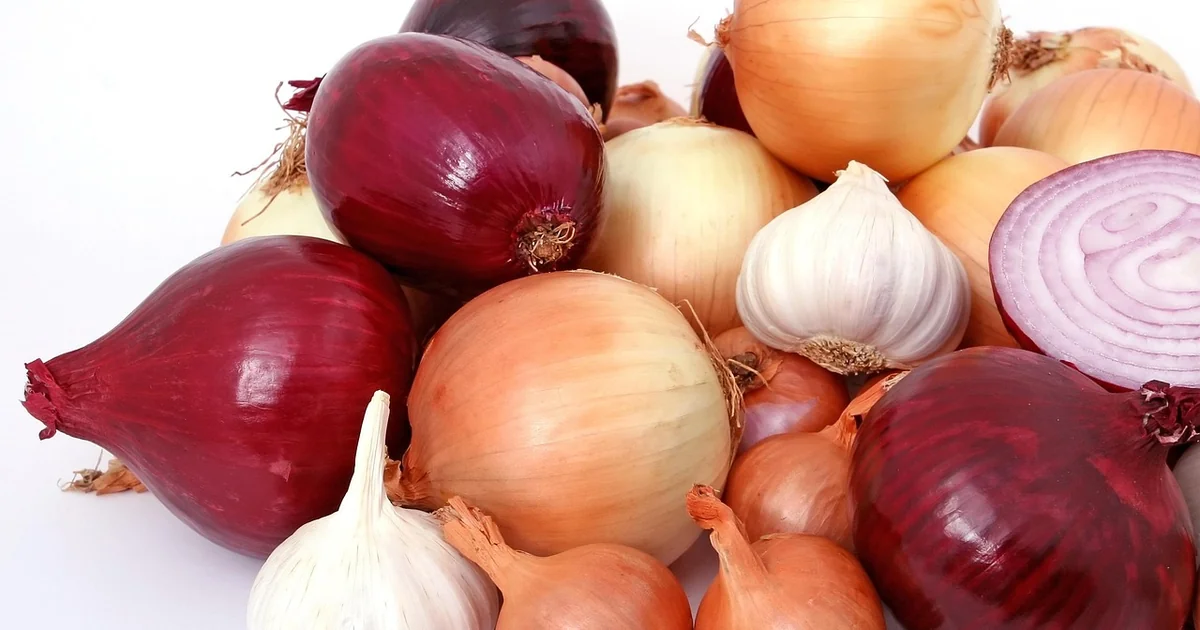
Their strong scent and low growth habit make onions suitable companion plants for many vegetables, herbs, and flowers. If you practice companion planting onions near crops that struggle with pests, you tap into a natural, low-effort strategy that benefits your whole garden. Onions are so versatile that it can be hard to decide where to place them — they grow well with most other plants. Because onions excel at repelling pests, the best spot for them is near the plants most vulnerable to insect damage. Below are seven top companions to consider, along with tips to make the most of each pairing.
Cruciferous Vegetables
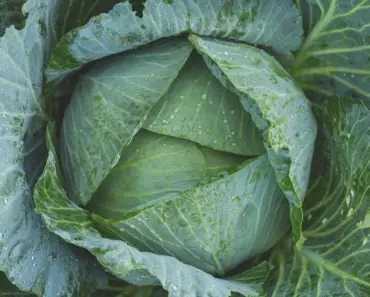
Cruciferous vegetables, like broccoli, cabbage, cauliflower, and kale, are perfect onion companion plants. Onions’ strong aroma naturally repels cabbage loopers and other pests that target these leafy brassicas. Keep in mind that both onions and cruciferous vegetables are heavy-feeding plants, so they both need regular fertilizer applications. Planting onions as a border around your cabbage or broccoli bed creates a fragrant barrier that confuses pests before they reach the main crop. This pairing is especially helpful for gardeners who want to reduce chemical sprays while still protecting their harvest.
Strawberries
If you have grown strawberries before, you know that they are prone to pest invasions. Onions help repel many of the most common strawberry pests, including aphids and spider mites. Onions and strawberries are both low-growing plants, so they generally won’t compete for sunlight. Interplanting them in the same bed maximizes space and keeps your berries safer without extra effort. Some gardeners worry that onions might affect the flavor of strawberries, but the two crops grow side by side without any taste transfer — the onion scent stays in the leaves and roots, not the fruit.
Beets
Onions repel many insects that feed on beets, including flea beetles and aphids. Deer and rabbits also avoid onions, which can help protect your beet greens from these voracious garden visitors. Because beets and onions are both root crops, they have similar growing needs and prefer deep, loose soil. If your soil is too compacted for root vegetables, work in compost or aged manure before planting to create the loose texture both crops love. Planting onions in a ring around your beet patch gives the greens an extra layer of protection from nibbling wildlife.
Carrots
Onions can be used as a companion plant to carrots to keep away the destructive carrot fly, a pest that can stunt the growth of carrots and even destroy entire plantings. Because both plants are root vegetables, they have similar growing needs and prefer regular watering and loose, deep soil. What’s more, carrots and onions are both cool-season vegetables that can be planted early in the season before many other vegetable types. Sow them together in early spring, and you’ll harvest two crops from one bed while keeping carrot flies at bay with the onion scent.
Lettuce
Lettuce is a fast-growing vegetable that makes a great companion plant for onions. Interplanting it with your onions is a smart way to get the most out of your garden space. While waiting for your onion bulbs to fill out, you may get a garden harvest or two of lettuce. Even better, lettuce has very short roots so that it won’t compete with onion bulbs for soil space. This pairing is ideal for small raised beds or container gardens where every inch counts. The lettuce also acts as a living mulch, shading the soil and keeping it cool for the onions.
Peppers
Peppers and onions don’t just pair well in the kitchen; they are also perfect partners in the garden. The strong aroma of onions repels many garden pests and can keep deer and rabbits from nibbling on your bell peppers. Pepper plants are also taller than onions, leaving plenty of room for onions to grow underneath. This vertical layering means you can pack more food into a small bed without crowding. Both crops appreciate warm soil and consistent watering, so their care routines align nicely.
Tomatoes
If you want to make homemade salsa, you definitely need to leave some room in your garden for growing tomatoes alongside onions. When planted together, onions help keep your tomatoes pest-free, and tomatoes’ larger leaves can shield the soil around your onions and prevent them from drying out as quickly. Additionally, tomatoes need plenty of nutrients and have similar growing needs as onions. Plant onions in a ring around each tomato cage or along the edge of the tomato bed for the best pest-deterring effect. The two crops also ripen around the same time, making harvest day extra rewarding.
Herbs That Boost Onion Growth
Beyond vegetables, certain herbs make excellent neighbors for onions. They add beauty, attract pollinators, and may even improve the flavor of your bulbs.
Chamomile
Chamomile is a delicate herb with small, daisy-like flowers frequently used for herbal teas. When planted with onions, chamomile is thought to improve the flavor and growth of your onion bulbs. Chamomile is also very easy to grow from seed and is small-space friendly. Scatter a few seeds near your onion rows, and you’ll have a pretty, fragrant ground cover that may boost your harvest. Plus, chamomile attracts beneficial insects like hoverflies that prey on aphids.
You may also enjoy reading: Coffee Grounds: Do They Really Repel Mosquitoes? 5 Truths.
Summer Savory
Summer savory is a less commonly used annual herb that tastes a bit like marjoram and thyme. It repels most pests affecting onions, including thrips and onion maggots. Growing summer savory near onions is also thought to improve the growth of your onion bulbs and may sweeten their flavor. Plant it as a border around your onion bed or tuck a few plants between rows. This herb thrives in the same sunny, well-drained conditions that onions love, making care simple.
Tips for Success With Companion Planting Onions
To get the most from companion planting onions, keep these practical pointers in mind. Onions can be planted as a border around vulnerable crops to repel pests before they reach the main plants. Because onions are low-growing, they can be interplanted with taller crops without competing for sunlight, making them ideal for space-saving gardens. Onions and many companion plants share similar soil and watering needs, simplifying garden care and reducing maintenance. The pest-repelling properties of onions extend to deer and rabbits, offering broad protection for leafy greens and root vegetables. Companion planting with onions can reduce the need for chemical pest controls, supporting organic gardening practices.
How close should you plant onions to other vegetables for the best pest-repelling effect? Aim for 6 to 12 inches apart, depending on the companion. For tall crops like tomatoes or peppers, tuck onions along the edge of the bed. For low-growing companions like lettuce or strawberries, alternate rows or scatter onions throughout the patch. The closer they are, the more effectively the onion scent masks the aroma of vulnerable plants.
If you have limited time and want a low-maintenance garden, onions and their companions often have similar growing needs, which reduces extra work. Most of the plants listed here prefer full sun, regular water, and loose, fertile soil. Grouping them together means you can water and fertilize the whole bed on the same schedule. This simplicity is a huge relief for busy families or first-time gardeners.
Do you need to replant onions every year, or can they come back on their own? Standard bulb onions are biennials grown as annuals, so you’ll need to replant each season. However, perennial onions like Egyptian walking onions or multiplier onions will return year after year, providing a steady supply of companion plants. If you choose perennial types, you can plant them once and enjoy their pest-repelling benefits for seasons to come.
For gardeners who want to grow carrots and beets organically but worry about carrot fly and flea beetles, onions provide a proven repellent. Pairing these root crops with onions is one of the simplest organic pest-control strategies available. It requires no sprays, no traps, and no complicated rotations — just thoughtful placement at planting time.
Whether you’re tending a large vegetable patch or a few raised beds, adding onions to your garden plan pays off in healthier plants and fewer pest problems. Start with one or two of the companions listed here, and you’ll see the difference that companion planting onions can make in your garden’s productivity and peace of mind.