Look, most online gardening hacks fall into one of three categories: wildly impractical, horribly complicated, or surprisingly expensive. That falls under the elusive fourth option: actually worth it. I have been burned by many so-called hacks before, many times over, although that hasn’t stopped me falling in love with the good ones. When my mother-in-law told me she was growing flowers in an old colander, I will admit I was every bit as skeptical as I was curious. Guess what? She has stumbled onto one of the few upcycling tricks that not only works brilliantly but actually solves one of the biggest problems gardeners run into with traditional containers. Color me impressed.
Reason 1: Built-in Drainage Holes Eliminate Waterlogged Soil
That is right. As colanders already come covered in drainage holes, they are naturally suited to growing plants, especially summer bedding plants and trailing flowers that hate sitting in waterlogged compost. Instead of drilling holes into old pots or worrying about soggy roots after heavy rain, the water simply drains straight through. This means most people who try this one wind up as lifelong converts.
The Science Behind Superior Drainage
Most traditional hanging baskets come with a solid plastic base and a removable drip tray. When you water them, excess moisture collects at the bottom, creating a swampy environment that suffocates roots. Overwatering is responsible for roughly 80 percent of container plant failures in home gardens, according to horticultural surveys. A colander hanging basket sidesteps this problem entirely because every inch of the container allows water to escape.
Imagine a reader who has a set of mismatched or worn colanders gathering dust in a cabinet. That person likely struggles with overwatered container plants and wants a foolproof drainage solution. The colander delivers exactly that. The water flows through freely, roots get the oxygen they need, and the plant thrives.
How to Prepare Your Colander for Planting
Line the colander loosely with moss, coco liner, or even a bit of old burlap if the drainage holes are particularly large. Then fill it with a good-quality potting mix. After that, plant it exactly as you would a normal hanging basket. Voila.
If the holes are small enough, you can skip the liner entirely. For metal colanders with fine perforations, a thin layer of newspaper works as a temporary barrier that breaks down over time. The process is refreshingly simple.
Reason 2: Lightweight Design Makes Hanging Easier
Metal colanders, especially vintage or enamel ones, have a slightly rustic look that suits cottage gardens, patios, and small outdoor spaces surprisingly well. They are also lightweight, which makes them easier to hang than heavier ceramic baskets. Consider a renter with limited outdoor space who wants a charming, no-drill hanging planter. A colander hanging basket fits that brief perfectly.
Weight Comparisons That Matter
A standard ceramic hanging basket with soil and plants can weigh upwards of 12 pounds once fully saturated. A metal colander with the same contents typically weighs around 5 to 6 pounds. That difference reduces strain on hooks, brackets, and window boxes. It also means you can hang your colander from lighter fixtures, including decorative shepherd hooks or simple S-hooks attached to a balcony railing.
Secure Hanging Without Damage
How do you securely hang a colander without damaging the handles or rim? Use three lengths of chain or sturdy wire attached to the three points where the handles meet the rim. This creates a stable triangle that distributes weight evenly. For plastic colanders, drill small holes near the rim for the wire to pass through. For metal colanders, the existing handle loops usually provide enough anchor points.
My mother-in-law hangs hers near the kitchen door every summer, and it somehow looks like one of those deliberately styled cottage garden arrangements you would expect to see in a lifestyle magazine. And yet, underneath all those flowers, it is still just an old kitchen colander. Go figure.
Reason 3: Rustic Charm Enhances Any Outdoor Space
The charm is partly in the contrast. A battered enamel colander with chipped edges and faded colors looks far more interesting than a brand-new plastic basket from the garden center. There is something very satisfying about repurposing everyday household items in the garden. The unexpected charm of turning kitchen tools into garden decor adds personality that store-bought containers simply cannot replicate.
Why Vintage Colanders Look Better
Old colanders are common in thrift stores. Slightly battered ones look even better when planted because the wear and tear tells a story. The scratched surface catches sunlight differently, creating subtle highlights and shadows that make the foliage pop. Plastic colanders work if packed densely enough with plants, which is a plus for those of us who feel bad about throwing plastic tools out when they have done their duties in the kitchen.
What If Your Colander Is Plastic Instead of Metal?
Will it still work as a hanging basket? Absolutely. Plastic colanders are lighter than metal ones, which makes them even easier to hang. The trade-off is aesthetic. Plastic lacks the patina and texture of vintage metal. To compensate, choose a plastic colander in a bold color like bright red or deep blue, and pack it densely with trailing plants that quickly cover the sides. Within two weeks, the foliage will hide most of the container anyway.
For someone who loves cottage garden aesthetics but has a tight budget for decorative pots, a thrift-store colander hanging basket costs under five dollars and delivers the same visual impact as a fifty-dollar ceramic planter.
Reason 4: Versatile for Trailing Plants and Herbs
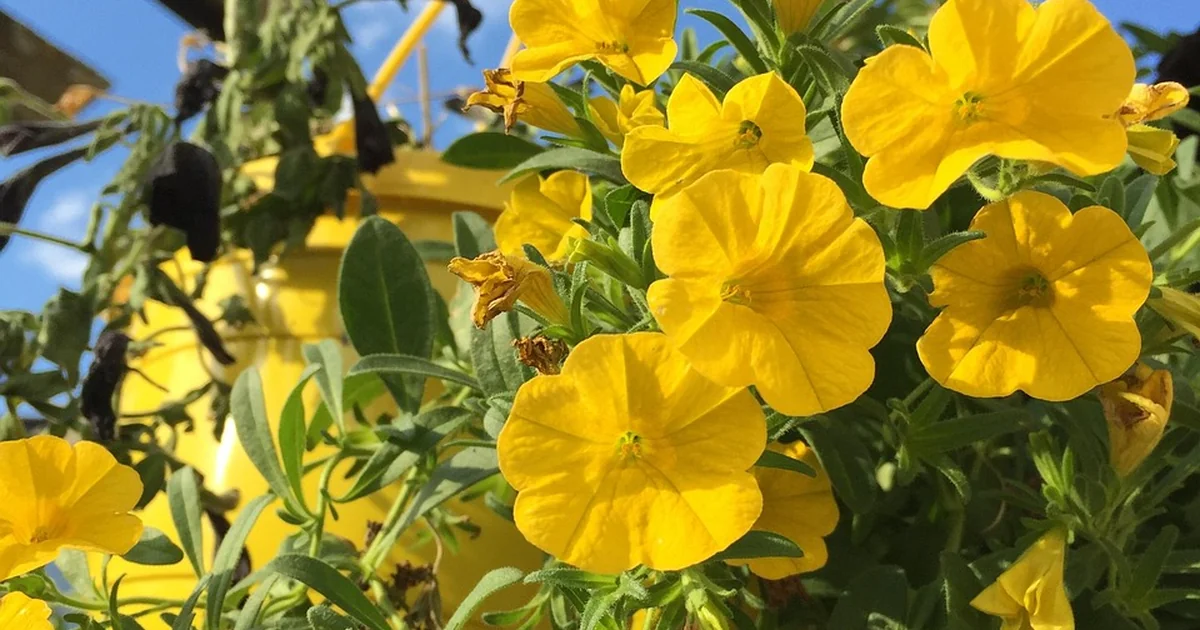
Trailing plants tend to work best in an old colander hanging basket because they soften the edges quickly and create that abundant overflowing look. Think petunias, bacopa, trailing verbena, ivy, and nasturtiums. These plants cascade over the sides, hiding the colander within weeks and creating a lush, full appearance.
Plant Combinations That Thrive
You could even turn a colander into a herb basket near the kitchen door and fill it with thyme, oregano, and trailing rosemary, all of which will appreciate the drainage. The combination of culinary herbs and excellent drainage creates a practical kitchen garden that sits right outside your door. Imagine snipping fresh oregano for pasta while standing in bare feet on a summer morning.
What Types of Plants Thrive Best in a Colander Hanging Basket?
Plants that dislike wet feet do exceptionally well. Succulents, for example, rot quickly in standard hanging baskets but flourish in a colander because the excess water disappears instantly. Annuals like million bells, lobelia, and creeping Jenny also perform beautifully. For a dramatic display, plant a mix of upright geraniums in the center with cascading bacopa around the edges.
You may also enjoy reading: 7 Best Lawn Sweepers Spruce Tested.
The only downside is that containers with excellent drainage can dry out faster in hot weather, particularly in full sun. During heatwaves, my mother-in-law sometimes waters hers daily using her rain barrel. That small extra effort pays off in the form of vigorous growth and continuous blooms from early summer until the first frost.
Reason 5: Eco-Friendly Upcycling That Saves Money
There is something very satisfying about repurposing everyday household items in the garden. A colander hanging basket represents the kind of sustainable gardening practice that reduces waste and saves money simultaneously. Instead of buying a new hanging basket every season, you rescue an object that would otherwise end up in a landfill or sit unused in a cabinet.
The Hidden Environmental Impact
Each year, approximately 8 million tons of plastic waste enters the oceans, and household kitchen items contribute a meaningful share. By repurposing an old colander as a planter, you keep one more piece of plastic or metal out of the waste stream. For someone who has tried other gardening hacks that failed and is looking for a reliable one, this approach offers both ecological and practical benefits.
How to Prepare an Old Colander for Planting Without Harming Plants
Wash the colander thoroughly with mild soap and water to remove any food residue. If the colander is metal, check for rust spots. Light surface rust is harmless to plants, but heavy rust may indicate weak spots that could fail under the weight of wet soil. For plastic colanders, ensure there are no cracks that could widen over time. Once cleaned, line the interior as described earlier, fill with potting mix, and plant.
Heck, my mother-in-law has been using the same colander for three consecutive summers. It shows no signs of wear, and the plants get better every year. Honestly, I understand why she will not stop talking about hers.
Frequently Asked Questions About Colander Hanging Baskets
What if my colander is plastic instead of metal—will it still work as a hanging basket?
Yes, plastic colanders work perfectly. They are lighter than metal ones, which makes hanging easier. The main difference is aesthetic. Plastic lacks the vintage charm of metal, but dense planting quickly covers the sides. Choose a brightly colored plastic colander to add visual interest before the plants fill in.
How do I securely hang a colander without damaging the handles or rim?
Use three lengths of chain or sturdy wire attached to the points where the handles meet the rim. This creates a stable triangle that distributes weight evenly. For plastic colanders, drill small holes near the rim for the wire. For metal colanders, use the existing handle loops as anchor points.
Why does a metal colander look more charming than a plastic one in a garden setting?
Metal colanders, especially vintage enamel ones, develop a patina over time that adds character. Chipped edges, faded colors, and slight rust create a rustic aesthetic that complements cottage gardens and natural landscapes. Plastic colanders lack this texture and visual depth.
What types of plants thrive best in a colander hanging basket?
Trailing plants like petunias, bacopa, trailing verbena, ivy, and nasturtiums work exceptionally well because they soften the edges and create an overflowing look. Succulents, herbs like thyme and oregano, and annuals like million bells also thrive due to the excellent drainage.
How do I prepare an old colander for planting without harming the plants?
Wash the colander thoroughly with mild soap and water. Check for rust or cracks. Line the interior with moss, coco liner, or burlap if the drainage holes are large. Fill with good-quality potting mix and plant as you would a normal hanging basket. No special preparation beyond cleaning is required.
For something that started as an internet-style gardening hack, I am genuinely impressed by how effective a colander hanging basket truly is. It solves drainage problems, costs next to nothing, adds rustic charm, and keeps household items out of the landfill. My mother-in-law hangs hers every summer without fail. After seeing the results firsthand, I understand exactly why she refuses to go back to store-bought baskets.