Your garden can thrive even when you forget to water it for days. That feeling of panic around day four of a vacation is all too familiar. You suddenly remember the hanging baskets and begin mentally preparing for disappointment. Some plants wilt dramatically the second they miss a watering. Others seem perfectly happy being left to their own devices for a week or more. These resilient varieties keep your outdoor spaces looking fresh without demanding daily attention. Here are five of the best options for your vacation style.
What Plant Works for Weekend Getaways?
Euphorbia
Euphorbia is one of the easiest ways to make a garden look polished with surprisingly little effort. Its airy lime-green flowers and soft mounded shape blend beautifully into borders, containers, and gravel gardens. The plant’s drought tolerance means it usually handles short periods without watering perfectly well. For gardeners who regularly disappear for long weekends, euphorbia quietly keeps things looking fresh without demanding much in return. Something like the Euphorbia polychroma from a local nursery should suit your needs nicely.
But here’s the thing: euphorbia does not announce its needs dramatically. While certain flowers wilt the moment they get thirsty, this plant stays composed. It continues looking tidy even when the soil has dried out for a couple of days. That makes it an ideal candidate for those spontaneous overnight trips you take without planning. You can water it deeply on Friday morning, leave for the weekend, and return Sunday evening to find it still looking crisp and vibrant.
Amazon US Verified
Organic Perlite Horticultural Soil Conditioner
Lightweight volcanic mineral that improves root aeration and prevents compaction.
Better still, euphorbia works in multiple garden settings. It suits formal borders where you want structure without fuss. It also fits casual gravel gardens where a relaxed aesthetic is the goal. The soft texture of its flowers adds movement without requiring staking or deadheading. For a weekend breaker, this plant delivers polished results with almost zero maintenance during your absence.
Which Plant Blooms All Summer with Little Care?
Verbena
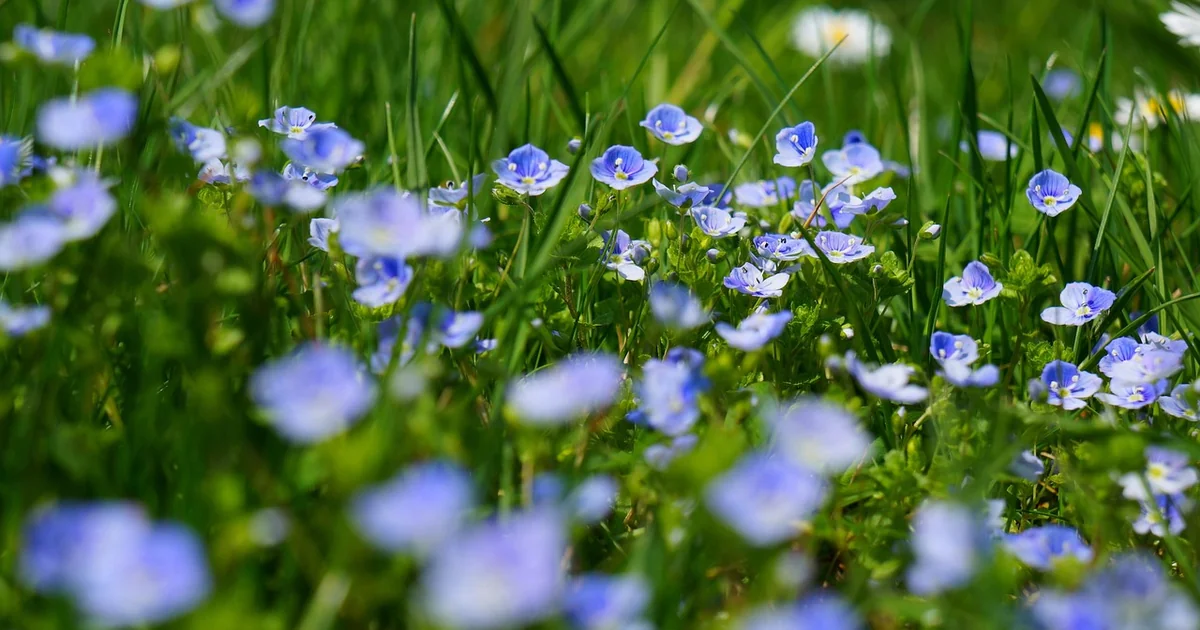
Verbena has become a favorite in modern low-maintenance planting schemes. Its clusters of purple, pink, red, or white flowers bloom continuously through summer with very little intervention beyond occasional watering during extreme heat. Many varieties of verbena tolerate drought remarkably well once established. This makes it especially useful for softening pathways, spilling from containers, or weaving through prairie-style borders where you want long-lasting color without constant upkeep.
For short summer getaways of three or four days, verbena keeps flowering away. It does not need daily deadheading to produce new blooms. The plant naturally sheds spent flowers and continues pushing out fresh ones. That means you can pack your bags, head to the beach, and come back to a plant that looks just as good as when you left. The key is establishing it properly before your trip. Give it a deep watering before you go, and it will reward you with weeks of continuous color.
Verbena also attracts pollinators, which adds another layer of life to your garden. Butterflies and bees flock to its nectar-rich flowers. So while you are away, your garden becomes a small haven for local wildlife. It is a simple pleasure that requires no effort on your part once the plant is in the ground.
What Thrives in Heat and Drought for Week-Long Trips?
Lantana
Lantana feels practically built for hot American summers. Its bright clusters of flowers bloom relentlessly through heatwaves, drought, and blazing sun. Once established, lantana is one of the most resilient flowering plants you can grow in warmer USDA zones. Unlike thirstier patio plants, it usually will not collapse dramatically if you miss a few days of watering. It just keeps going.
For a week-long vacation in midsummer, lantana is a reliable choice. You can water it thoroughly before you leave, and it will still be blooming when you return. The plant seems almost unbothered by high temperatures. While other flowers droop and fade, lantana stands tall. Its colorful clusters come in shades of yellow, orange, pink, and red, adding a tropical feel to any garden bed or container.
Butterflies also adore lantana. If you want a garden that feels alive and vibrant even when you are not there to tend it, this plant delivers. It thrives on neglect in the best possible way. Just make sure it gets full sun and well-drained soil. Once those conditions are met, lantana handles the rest on its own.
Which Perennial Handles Full Sun and Neglect?
Tickseed
Tickseed is a cheerful, reliable perennial that seems determined to flower no matter what summer throws at it. Its daisy-like blooms appear continuously for months in shades of yellow, orange, pink, and red. Tickseed is wonderfully tolerant of heat, poor soil, and dry conditions. For gardeners with full-sun spots that bake all day long, this plant is a lifesaver.
On the other hand, many perennials struggle when left unwatered for days. Tickseed does not. It keeps producing those bright, cheerful flowers even when the soil is dry. If you have a vacation planned during the peak of summer, tickseed will not punish you for leaving it alone. It handles the heat with grace and keeps your garden looking intentional rather than abandoned.
You may also enjoy reading: 5 Reasons to Leave Curtains Open or Closed When Away.
Another advantage is that tickseed requires no deadheading to keep blooming. The spent flowers fall away naturally, and new buds take their place. This means you do not need to spend your first day back from vacation cleaning up dead blooms. The garden already looks tidy. It is a small relief, but one that makes coming home from a trip much more pleasant.
What Plant Adds a Carefree Wild Look?
Black-Eyed Susan
Black-eyed Susan has a slightly carefree quality that makes gardens look natural and relaxed. Its bright yellow or orange petals with dark centers create a cheerful contrast against green foliage. This plant thrives in full sun and tolerates dry conditions well. For gardeners who want a meadow-like feel without constant maintenance, black-eyed Susan is an excellent choice.
The plant spreads easily and fills in gaps over time. It self-seeds in many climates, which means new plants appear each year without any effort from you. That makes it perfect for busy gardeners who travel frequently. You can plant it once, and it will return year after year, even if you miss a few watering sessions during the summer.
Black-eyed Susan also pairs beautifully with other low-maintenance plants like verbena and tickseed. Together, they create a tapestry of color that requires very little intervention. The relaxed, wild look is intentional and appealing. It suits gardeners who prefer a natural aesthetic over a manicured one. And best of all, it thrives on the kind of benign neglect that comes with a busy travel schedule.
Frequently Asked Questions
How often should I water set and forget plants before a vacation?
Give each plant a deep watering one to two days before you leave. Deep watering encourages roots to grow deeper into the soil, which helps the plant access moisture for longer. Avoid shallow sprinkling, as it evaporates quickly and does not provide lasting hydration. A thorough soak at the base of each plant is the most effective method for pre-vacation watering.
Amazon US Verified
Digital 3-in-1 Soil Moisture & pH Meter
Accurate probe to test deep root zone moisture and prevent accidental overwatering.
Can I grow these plants in containers on a balcony or patio?
Yes, all five plants adapt well to container growing with proper drainage. Choose pots with drainage holes and use a quality potting mix rather than garden soil. Containers dry out faster than in-ground beds, so consider grouping pots together to create shade and reduce evaporation. For longer trips, move containers to a slightly shaded spot to slow moisture loss.
Do set and forget plants attract pests or require special care when I return?
These plants are naturally resilient and rarely suffer serious pest problems when healthy. After returning from vacation, inspect the leaves for any signs of aphids or spider mites, especially if the weather was very hot. A simple spray of water from the hose usually clears minor infestations. Resume regular watering gradually rather than flooding the soil, which can cause root rot after a dry period.
Amazon US Verified
Self-Watering Planters with Drainage Aerators
Elevated reservoir design that prevents soggy roots and ensures steady hydration.
As an Amazon Associate, azuloz.com earns from qualifying purchases.