Weeding a tomato patch can feel like a never-ending chore. Just when you think you have pulled the last intruder, a fresh crop of chickweed or crabgrass pops up overnight. These uninvited guests steal water and nutrients that your tomato plants desperately need to produce a heavy harvest. Many gardeners reach for chemical herbicides as a quick fix. Those products do kill weeds efficiently, but they also carry risks for bees, soil microbes, and the wider ecosystem. There is a smarter, gentler way to keep that garden bed clean. By planting white clover as a living ground cover, you can naturally outcompete weeds while simultaneously feeding your tomato plants. This approach turns weed control from a weekly battle into a set-it-and-forget-it strategy.
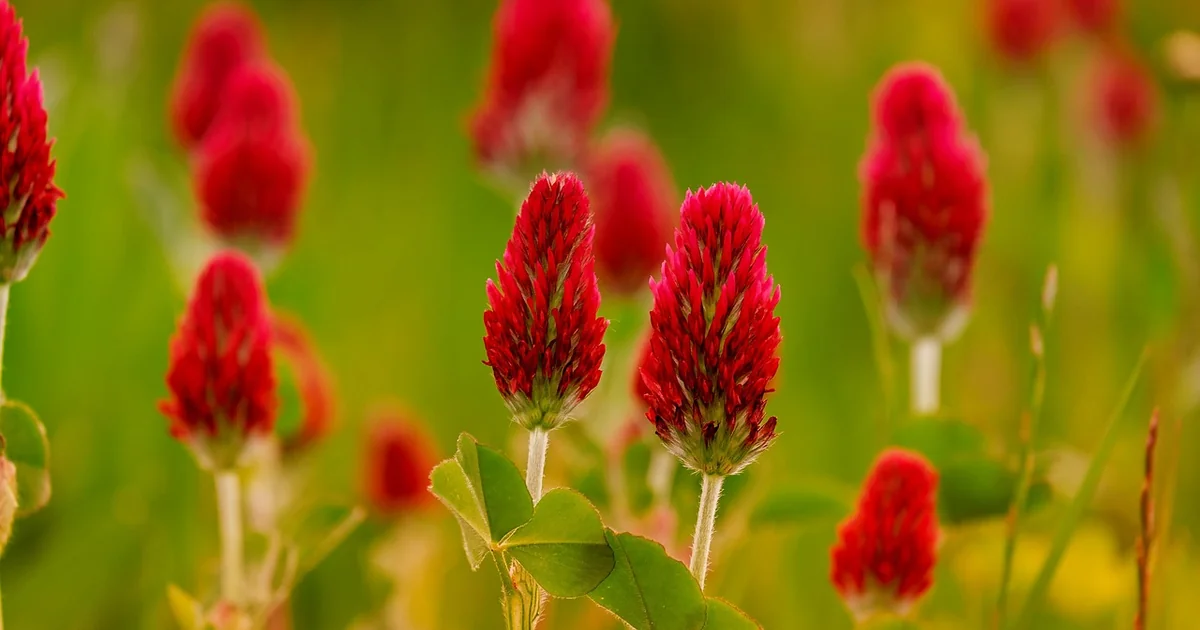
Why choose white clover over chemical herbicides for weed control?
Chemical sprays work fast, but their side effects can linger. Runoff from herbicides can contaminate local waterways and harm beneficial insects. White clover offers a completely different mechanism. Instead of poisoning weeds, it simply beats them at their own game.
White clover belongs to the legume family and is hardy in USDA zones 3 through 10. That wide range means it thrives in most of the continental United States. Once established, it creates a dense canopy of leaves that hugs the soil surface. This thick mat blocks sunlight from reaching weed seeds below. Without light, those seeds cannot germinate. Weeds that do manage to sprout find themselves starved of energy and quickly die off.

Amazon US Verified
Self-Watering Planters with Drainage Aerators
Elevated reservoir design that prevents soggy roots and ensures steady hydration.
This method is entirely chemical-free. You protect your tomatoes, your soil, and the pollinators that visit your garden. The white clover companion approach replaces synthetic inputs with a living system that works around the clock.
How does white clover enrich the soil for tomatoes?
Weed suppression is only half the story. White clover also actively improves the soil your tomatoes grow in. It does this through a process called nitrogen fixation.
Nitrogen is a critical nutrient for plants. It helps them produce chlorophyll, which drives photosynthesis. Healthy photosynthesis means bigger leaves, stronger stems, and more fruit. The problem is that plants cannot use the nitrogen floating in the air. That nitrogen must first be converted into ammonia, a form that roots can absorb.
White clover, along with other self-seeding legumes like partridge peas, makes that conversion happen. Bacteria living in nodules on the clover roots take atmospheric nitrogen and turn it into ammonia. When the clover leaves decompose or the roots are disturbed, that nitrogen becomes available to nearby tomato plants. This natural fertilization reduces your need for synthetic fertilizers and builds long-term soil fertility.
Amazon US Verified
Organic Perlite Horticultural Soil Conditioner
Lightweight volcanic mineral that improves root aeration and prevents compaction.
What makes white clover a superior living mulch compared to other herbs?
Many companion plants work well with tomatoes. Basil, parsley, and rosemary are popular choices for repelling pests and adding flavor to the kitchen. But they do not perform the same function as a living mulch.
Basil and parsley are upright plants. They do not spread across the soil to form a dense ground cover. Rosemary grows as a woody shrub that leaves plenty of bare earth exposed. None of these herbs fix nitrogen in the soil. They are excellent companions for other reasons, but they cannot replace the dual role of white clover.
White clover acts as a ground cover, moisture retainer, and nutrient booster all at once. It keeps the soil cool and damp, reducing how often you need to water. Its roots hold the soil in place, preventing erosion during heavy rain. And as discussed, it enriches the ground with nitrogen. No single herb can match that combination of benefits.
Amazon US Verified
Digital 3-in-1 Soil Moisture & pH Meter
Accurate probe to test deep root zone moisture and prevent accidental overwatering.
When should you plant white clover relative to tomato starts?
Timing matters when you pair these two plants. White clover grows quickly and aggressively. If you sow the seeds and transplant tomato starts on the same day, the clover will shade out the young tomato plants. The same dense canopy that blocks weeds will also block the light your tomatoes need to establish.
The solution is simple. Plant the white clover first. Let it establish a solid ground cover. This usually takes about three to four weeks, depending on soil temperature and moisture. Once the clover is thick and low to the ground, you can transplant your tomato starts directly into the bed. By that point, the clover is mature enough to suppress weeds but not so tall that it overwhelms the tomatoes.
This staggered planting ensures both plants get what they need. The clover gets a head start to form its protective mat. The tomatoes arrive after the worst competition is already managed.
How do you manage white clover if it grows too tall around tomatoes?
Even with proper timing, white clover can sometimes get a bit enthusiastic. If the clover grows taller than a few inches, it may begin to crowd the lower leaves of your tomato plants. When that happens, you have a simple fix.
Grab a pair of garden scissors or pruning shears. Walk through the bed and trim the clover back to a height of about two inches. Focus on the area immediately around each tomato stem. Leave the rest of the clover intact to continue suppressing weeds elsewhere. This quick trim takes only a few minutes and restores airflow and light to the tomato foliage.
The clover will regrow from its low-growing crown. You will likely need to trim it once or twice during the growing season, especially in warm, wet weather. It is a minor task compared to the hours you would spend hand-weeding a bare-soil bed.
What other companion plants work well with tomatoes besides white clover?
While white clover is exceptional for weed control and soil health, it is not the only plant that benefits tomatoes. A diverse garden is a resilient garden. Consider adding a few of these companions to your tomato bed.
Basil is a classic partner. Many gardeners believe it improves the flavor of tomatoes and repels aphids and whiteflies. Parsley attracts beneficial insects like hoverflies, whose larvae eat aphids. Rosemary deters pests with its strong scent and provides a steady supply of fresh herbs for cooking.
None of these plants will fix nitrogen or create a living mulch like white clover. But they add variety and pest protection. You can plant them around the edges of the bed or between tomato plants where the clover cover is thinner.
How white clover’s nitrogen-fixing ability directly boosts tomato growth and yield
Let us look more closely at the actual mechanism. Tomato plants are heavy feeders. They require a steady supply of nitrogen to produce lush foliage and large fruit. When nitrogen is scarce, leaves turn yellow, growth slows, and fruit production drops.
White clover addresses this need at the root level. The bacteria in its root nodules convert atmospheric nitrogen into ammonia. That ammonia dissolves in soil water and becomes available to nearby plant roots. As the clover grows and sheds old leaves, those leaves decompose and release even more nitrogen into the topsoil.
The result is a slow, steady release of nitrogen throughout the growing season. Your tomatoes never experience a sudden spike followed by a crash, as can happen with synthetic fertilizers. Instead, they receive a consistent supply that supports steady growth from flowering through harvest.
You may also enjoy reading: 7 Ways to Kill Tree Roots Safely and Efficiently.
Comparing white clover to other living mulches like vetch or alfalfa for tomato gardens
White clover is not the only living mulch option. Hairy vetch and alfalfa are also nitrogen-fixing legumes used by farmers and gardeners. Each has its strengths and weaknesses.
Hairy vetch grows vigorously and produces a large amount of biomass. It is excellent for winter cover cropping, but it can become weedy if not managed carefully. Its vining habit can smother small tomato plants if allowed to run wild. Alfalfa has deep roots that break up compacted soil, but it grows tall and requires regular cutting to stay low. It is better suited to larger plots than a typical home garden.
White clover strikes a better balance for most home gardens. It stays low to the ground without constant trimming. It does not vine or climb over your tomatoes. It tolerates foot traffic and mowing. And it establishes quickly from seed. For a manageable, low-maintenance living mulch, white clover companion planting is hard to beat.
The aesthetic appeal of a clover ground cover versus traditional mulch or bare soil
Let us be honest about appearance. A bed of bare soil between tomato plants looks unfinished. It invites dust, mud splashes, and weeds. Traditional mulches like straw or wood chips look tidy but need to be replaced every year. They also tie up nitrogen as they decompose, at least temporarily.
A white clover ground cover offers a different look. The small, rounded leaves form a soft green carpet that feels lush and alive. When the clover blooms, tiny white flowers appear, attracting bees and adding a gentle charm to the vegetable garden. The contrast between the upright tomato plants and the low clover mat is visually pleasing.
This living carpet also keeps the soil surface clean. Rain does not splash mud onto the lower tomato leaves, which reduces the risk of soil-borne diseases like early blight. You get a garden that looks cared for and functions better at the same time.
Seasonal considerations: planting white clover in spring versus fall around tomatoes
Spring planting is the most straightforward approach for most home gardeners. Sow white clover seeds as soon as the soil can be worked, about four weeks before your last expected frost date. By the time you transplant tomatoes, the clover will be established.
Fall planting is an option in milder climates. If you live in zones 7 through 10, you can sow white clover in late summer or early autumn. It will establish a strong root system before winter dormancy. The following spring, the clover will green up early and be ready for tomatoes weeks sooner than a spring-sown patch would be.
In colder zones, fall planting carries more risk. The clover may not establish before the ground freezes. Spring sowing is safer and more reliable in zones 3 through 6.
Managing white clover height to prevent it from overshadowing tomato seedlings
We touched on this earlier, but it deserves its own section because it is the most common concern new users have. People worry that the clover will take over and choke their tomatoes. That fear is understandable, but it is easy to prevent.
The key is the staggered planting schedule. Give the clover a head start, then transplant the tomatoes. From that point forward, monitor the clover height weekly. If it reaches three inches or more, trim it back to two inches. Use scissors or a string trimmer set low. Do this around each tomato plant, leaving the rest of the clover untouched.
Trimming stimulates the clover to grow denser rather than taller. Over time, it forms a tighter mat that is even better at suppressing weeds. Your tomatoes will grow above the clover canopy, so they will not be shaded once they are established. The few minutes you spend trimming each week replace hours of weeding later in the season.
Frequently Asked Questions
Will white clover attract slugs or other pests that could damage my tomato plants?
White clover can provide hiding places for slugs in very damp conditions. However, the risk is generally low in a well-drained garden. Slugs prefer decaying organic matter and are more attracted to thick straw mulch than to living clover. If you notice slug activity, simply trim the clover shorter to improve airflow and reduce humidity near the soil surface.
Can I use white clover as a living mulch in a container tomato garden?
White clover is not ideal for containers. It spreads quickly and its root system competes with the tomato for limited soil volume. In a pot, the clover can outcompete the tomato for water and nutrients. Stick to bare soil or a thin layer of straw mulch for container-grown tomatoes. Reserve white clover for in-ground beds where it has room to spread without crowding the main crop.
How long does it take for white clover to establish a dense enough ground cover to block weeds?
Under good conditions with consistent moisture and temperatures between 60 and 80 degrees Fahrenheit, white clover forms a weed-suppressing mat in about three to four weeks. In cooler or drier weather, it may take five to six weeks. You will know it is ready when the clover covers at least 80 percent of the soil surface and no bare patches remain. At that point, it is safe to transplant your tomatoes.
As an Amazon Associate, azuloz.com earns from qualifying purchases.