Have you ever come home from a lovely beach vacation, all tanned and relaxed, only to find your plants looking like they had a very rough time while you were away? Or, maybe you’re just tired of the constant watering routine, day in and day out. A TikTok creator by the name of @growingroww shared her simple solution that costs almost nothing and gets rid of those pesky wine bottles that you never take to the recycling bin. Her trick? Wine bottle spikes. Specifically, the kind you can screw onto the neck of an empty wine bottle, push into the soil, and leave to slowly drip-feed your plants while you do other important life things (like vacations!) It’s the kind of idea that made me wonder how and why I didn’t think of it first.
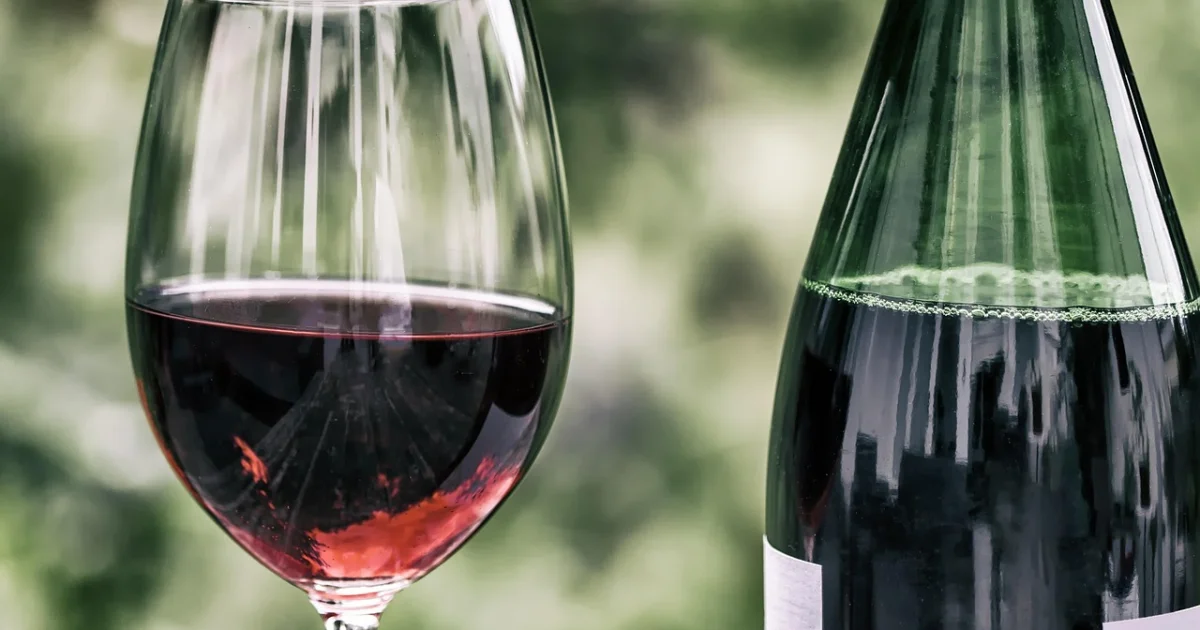
This surprisingly effective hack isn’t just about reducing waste; it taps into a fundamental principle of plant care – consistent moisture. Let’s delve into how this simple system works, which plants benefit most, and how you can implement it safely and effectively in your own garden.
The Science Behind Slow Watering
Traditional watering methods – often involving heavy, infrequent applications – can actually be detrimental to plant health. Plants, like humans, don’t thrive on extremes. They prefer a consistent, moderate supply of water that mimics the natural rainfall they’d experience in their native environments. This is where drip irrigation, and specifically this wine bottle spiking method, shines. The key is not how much water you give them, but how often you give it. Consistent moisture encourages deeper root growth; plants aren’t forced to stretch out desperately for water near the surface, instead developing a robust and resilient root system that can access nutrients and withstand drier periods.
Think of it like this: a plant constantly bombarded with large amounts of water is like a person who drinks a massive amount of water all at once. It overwhelms their system, leading to root rot and other issues. Slow, steady hydration, however, is like sipping water throughout the day – it’s far more sustainable and beneficial.
How Wine Bottle Spikes Work: A Step-by-Step Guide
The beauty of this hack lies in its simplicity. You don’t need fancy equipment or complicated setups. It’s a remarkably low-tech solution utilizing readily available materials. The process is remarkably straightforward:
- Gather Your Supplies: You’ll need empty wine bottles (preferably dark-colored, but clear can be used with caution – more on that later), terracotta wine bottle spikes (Vensovo is a popular brand, currently priced around $15 for a pack of 10), and a drill or screwdriver to create a hole in the bottle cap.
- Prepare the Bottle: Using the drill or screwdriver, carefully create a small hole in the center of the wine bottle cap. This hole should be just large enough to accommodate the terracotta spike.
- Insert the Spike: Screw the wine bottle spike into the bottle cap. Ensure it’s securely fastened.
- Position in the Soil: Gently push the spiked bottle into the soil near the base of the plant, positioning it so that the bottle neck is slightly above the soil line. The goal is to allow the water to slowly seep into the surrounding soil.
- Fill with Water: Fill the wine bottle with water.
- Monitor and Refill: Check the water level periodically and refill as needed. You’ll likely find that a single liter bottle lasts anywhere from 7 to 10 days, depending on the plant’s needs and the environmental conditions.
Reader Scenarios: Applying the Hack to Different Gardening Situations
Let’s consider how this hack can be particularly beneficial for a few different gardening scenarios:
The Busy Professional’s Balcony Garden: Imagine a reader who is a busy professional with a small balcony garden. They often travel for work and struggle to find the time to consistently water their plants. Wine bottle spikes offer a fantastic solution – they can set it and forget it, knowing their plants will receive a consistent trickle of moisture while they’re away. This reduces the stress of remembering to water and provides peace of mind.
The Frequent Traveler’s Worry: For someone who frequently travels and worries about their plants while away, this hack is a game-changer. They can create a small, automated watering system that will keep their plants happy and healthy even when they’re miles away. It’s a simple way to extend their gardening enjoyment, regardless of their travel schedule.
The Hot Summer Gardener: Consider a gardener facing a particularly hot and dry summer. Consistent watering is crucial during these times, and wine bottle spikes provide a gentle, slow-release method that helps plants retain moisture without overwatering. It’s a smart way to combat the challenges of summer heat and ensure healthy growth.
The Water Conservation Conscious Gardener: For someone who wants to reduce their water consumption in the garden, this hack is a win-win. It minimizes water waste by delivering water directly to the roots, reducing evaporation and runoff. It’s a simple way to be more environmentally friendly and save money on water bills.
The New Gardener’s Low-Maintenance Solution: For someone who is new to gardening and wants a low-maintenance solution, this hack is an excellent starting point. It requires minimal effort and provides consistent watering, allowing beginners to focus on other aspects of their gardening journey.
Addressing Safety Concerns: Clear Bottles and Sunlight
As mentioned earlier, a crucial point to consider is the use of clear glass bottles when exposed to direct sunlight. The idea that clear bottles can act like a magnifying glass, concentrating the sun’s heat and potentially causing a fire risk, is a valid concern. Rafmaster, the TikTok creator who popularized this hack, addressed this issue directly in her videos, switching to cobalt blue bottles – a readily available and affordable alternative – and emphasizing the importance of placing the bottles in areas where they won’t be exposed to unbroken, direct sunlight for extended periods. It’s a simple precaution that can significantly reduce the risk.
Dark green bottles can also be used effectively; they provide the same slow-release benefit without the potential for heat concentration. The key is to avoid using clear bottles in direct sunlight. A little common sense goes a long way when it comes to garden safety.
Which Plants Benefit Most? A Plant-by-Plant Breakdown
Not all plants thrive with this slow-watering method. Understanding which plants benefit most is crucial for successful implementation. Here’s a breakdown:
Plants that Love Slow Watering:
You may also enjoy reading: 11 Essential Tips for Buying, Planting, Growing, and Caring for Trees the Right Way Every….
- Tomatoes & Fruiting Vegetables: These plants are particularly susceptible to blossom end rot and fruit splitting due to inconsistent watering. Slow, consistent moisture is a game-changer for healthy fruit production.
- Peppers, Eggplants, and Zucchini: Like tomatoes, these vegetables benefit greatly from the controlled moisture provided by wine bottle spikes.
- Roses, Dahlias, and Sweet Peas: These flowering plants appreciate the consistent hydration, resulting in fuller blooms and stronger stems.
Plants to Avoid:
- Ferns: Ferns generally prefer consistently moist soil and don’t thrive with slow watering.
- Lavender: Lavender prefers to dry out between waterings and won’t benefit from the constant moisture.
- Mediterranean Herbs (Rosemary, Thyme): Similar to lavender, these herbs prefer drier conditions.
- Succulents: Succulents are adapted to arid environments and require infrequent watering.
Beyond the Bottle Line: Related Concepts & Considerations
While wine bottle spikes offer a simple and effective solution, it’s helpful to understand related concepts and consider broader gardening practices:
Drip Irrigation Systems: Drip irrigation systems are a more sophisticated form of slow watering, offering greater control and precision. Wine bottle spikes represent a DIY version of this technology.
Hydroponics – Basic Principles: Hydroponics, the practice of growing plants without soil, relies heavily on controlled nutrient delivery and consistent moisture. Wine bottle spikes share some similarities with hydroponic watering techniques.
Soil Moisture Meters: Soil moisture meters provide a valuable tool for understanding the moisture levels in your garden. They can help you determine when to refill your wine bottle spikes and avoid overwatering.
Container Gardening Techniques: Container gardening often requires more frequent watering than in-ground gardening. Wine bottle spikes can be particularly beneficial for container plants.
Water Conservation in the Landscape: This hack aligns with broader water conservation efforts by minimizing water waste and promoting efficient watering practices. It’s a small step that can make a significant difference in your garden’s sustainability.
How This Hack Could Be Adapted for Different Types of Gardens
While this method is primarily suited for container gardens and raised beds, it can be adapted for other types of gardens with some modifications:
In-Ground Gardens: For in-ground gardens, you can bury the wine bottle spikes slightly deeper in the soil, ensuring the bottle neck remains above the soil line. You may need to use more spikes to adequately water a larger garden area.
Xeriscaping: For xeriscaping – landscaping with drought-tolerant plants – wine bottle spikes can be used to provide targeted watering to individual plants, minimizing water waste and promoting healthy growth.