You do not need a fancy machine or a bag of obscure ingredients to make creamy, fruity frozen treats at home. One blender, three frozen fruits, and about five minutes are all it takes. This approach comes straight from The Plant-Based Baby and Toddler, the cookbook written by the dietitian duo behind Plant-Based Juniors®. Their recipe proves that a scoop of something cold and sweet can be both nourishing and ridiculously simple to pull together.

Amazon US Verified
Daily Visual Routine Chart for Toddlers
Interactive morning/bedtime chore chart that empowers independence and calm transitions.
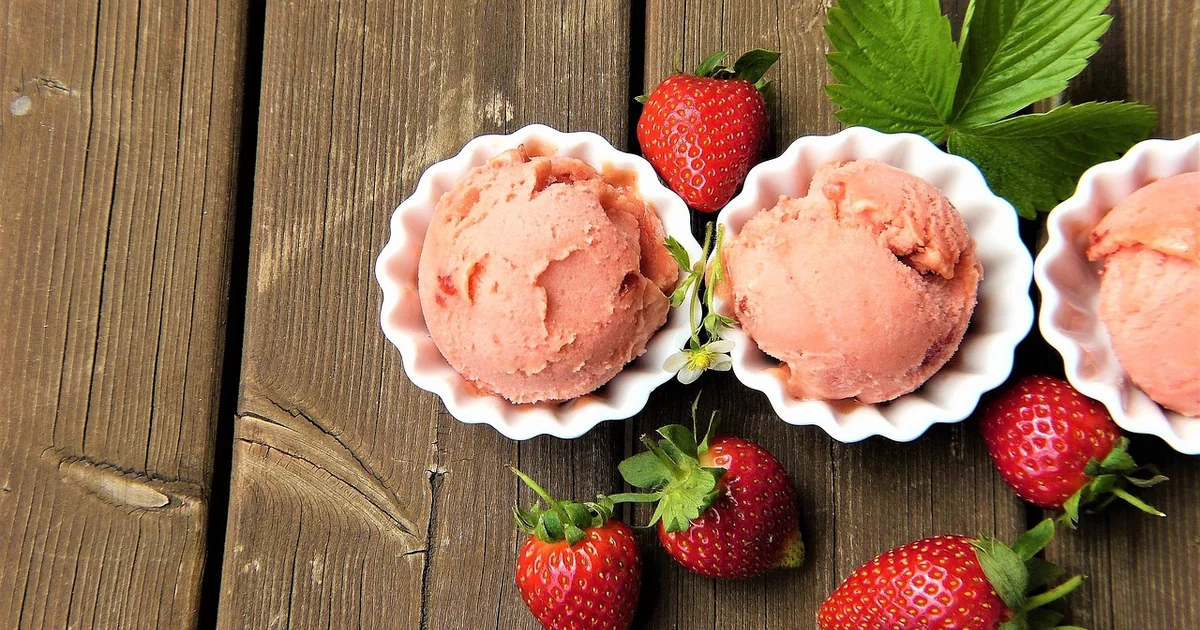
Why Are Plant-Based Ice Creams Becoming Popular?
More households are turning away from dairy-based desserts for reasons that go far beyond a simple preference for fruit. Dietary restrictions play a major role. People with lactose intolerance or milk allergies often feel left out when the dessert cart arrives, and plant-based options give them a way to join the fun without discomfort. Ethical concerns also drive the shift. Many families want their food choices to align with their values around animal welfare and environmental sustainability, and choosing a coconut-milk or banana-based scoop feels like a small, meaningful step.
Health reasons enter the picture too. Traditional ice cream carries significant amounts of cholesterol and saturated fat, while fruit-forward vegan versions tend to contain fewer grams of both. Variety matters just as much. The range of flavors available in the plant-based aisle—lychee, passion fruit, ube, coconut pandan—keeps expanding, which means there is always something new to try. All these factors together explain why the demand for vegan ice cream recipes has risen steadily and why a simple three-ingredient version fits so neatly into modern kitchens.
What Are the Three Simple Ingredients?
Every batch starts with the same trio: frozen raspberries, frozen mango chunks, and one frozen banana. That is the entire shopping list. The raspberries bring a tart, almost tangy note that cuts through the natural sweetness of the mango. The mango contributes a lush, tropical body and a bright orange color. The banana, which should be peeled, sliced, and frozen ahead of time, provides the velvety mouthfeel that makes this treat feel like real ice cream rather than a slushy.
For the five tropical variations below, you keep the same three-ingredient rule and simply swap in different fruit combinations. Each recipe makes roughly two heaping cups, enough for two adults or one adult plus a toddler who wants a second helping.
- Raspberry Mango Banana: 1 cup frozen raspberries, 1 cup frozen mango chunks, 1 frozen banana. This is the original recipe from the cookbook and the one to try first.
- Pineapple Coconut Banana: 1 cup frozen pineapple chunks, 1 cup frozen coconut flesh (or unsweetened shredded coconut), 1 frozen banana. The coconut adds richness without any dairy.
- Papaya Lime Banana: 1 cup frozen papaya cubes, the zest of half a lime added before blending, 1 frozen banana. The lime brightens the papaya’s mild flavor beautifully.
- Passion Fruit Mango Banana: 1 cup frozen passion fruit pulp (seeds included), 1 cup frozen mango chunks, 1 frozen banana. The seeds add a pleasant crunch.
- Dragon Fruit Coconut Banana: 1 cup frozen dragon fruit (pitaya) cubes, 1 cup frozen coconut flesh, 1 frozen banana. The vibrant pink color makes this one a hit with younger kids.
How Do You Get a Creamy Texture Without Dairy?
The frozen banana is the secret. Bananas contain a high amount of pectin and natural sugars that, when frozen and blended, break down into a smooth, scoopable consistency that mirrors the richness of a dairy base. No coconut cream, no cashew soak, no added oils are necessary. The banana acts as both sweetener and texturizer, which is why every variation in the list above includes it as a non-negotiable component.
If you want a thicker, more traditional scoop, let the blended mixture sit in the freezer for about twenty minutes before serving. If you prefer a softer, pudding-like texture, eat it straight from the blender. The banana ensures that either route works without turning icy or grainy.
Can You Make This Without an Ice Cream Maker?
Absolutely. A standard full-sized blender or a food processor does the job perfectly. The trick is to let the frozen fruit sit on the counter for five to seven minutes before you start. A slight thaw softens the edges of the fruit pieces, which helps the blades catch them without straining the motor. Then you pulse, scrape down the sides, and blend again. The whole process takes about four to five minutes of active work.
If your blender struggles with thick mixtures, add one tablespoon of plant-based milk (oat or almond work well) to get the blades moving. Do not add more than that, or the texture will become too thin. The goal is a dense, creamy mass that holds its shape when spooned into a bowl.
How Should This Ice Cream Be Served for Toddlers?
For little eaters, presentation matters. Toddlers love food they can scoop themselves, so serve the ice cream immediately after blending as a soft-serve texture that slides easily onto a spoon. If your child prefers bite-sized pieces, turn the batch into a smoothie bowl by pouring it into a shallow dish and topping it with small fruit chunks—diced mango, halved raspberries, or thin banana rounds work well. The bowl format makes self-feeding easier and less messy.
You may also enjoy reading: Quince Best-Selling Linen Duvet Cover Back in Stock.
For babies who are still mastering the pincer grasp, a pre-loaded spoon handed to them one at a time keeps frustration low. Because the recipe contains no added sugar, no salt, and no common allergens (nuts, soy, gluten), it works for children as young as six months, provided they have already been introduced to the individual fruits. The dietitian authors of The Plant-Based Baby and Toddler designed the recipe specifically for this age range, so you can feel confident serving it.
What Can You Do With Leftovers?
If you end up with more than two cups, do not throw the extra away. Leftovers stored in a sealed container in the refrigerator will keep for one or two days. The texture will soften into a thick, spoonable pudding that works beautifully as a snack or a quick breakfast. You can also pour the leftover mixture into ice pop molds and freeze them for at least four hours. The resulting popsicles are firm enough to hold their shape on a warm afternoon but soft enough for small mouths to bite through without struggle.
Another option: stir the leftover ice cream into a smoothie the next morning. A scoop of the raspberry mango base blends well with a splash of oat milk and a handful of spinach for a green smoothie that still tastes like fruit. This approach cuts down on food waste and gives you a second meal from the same prep work.
Frequently Asked Questions
Can I use fresh fruit instead of frozen fruit for these recipes?
Frozen fruit is essential for the right texture. Fresh fruit contains more water and less structural integrity, which leads to a thin, icy result rather than a creamy scoop. If you only have fresh fruit, wash, peel, and cut it into small pieces, then freeze them on a baking sheet for at least four hours before blending. That step mimics the texture of store-bought frozen fruit and ensures the recipe turns out as intended.
What is the difference between this recipe and traditional banana nice cream?
Traditional banana nice cream uses only frozen bananas as the base, often resulting in a very sweet, one-note flavor. This recipe adds raspberries and mango (or the other tropical fruit combinations listed above), which introduces acidity, color, and a more complex taste profile. The banana still provides the creamy body, but the additional fruits prevent the finished product from tasting like an overripe banana. It is a more balanced dessert that toddlers and adults can both enjoy.
Are these recipes safe for babies who are just starting solids?
Yes, with one caveat. The recipes contain only whole fruits, no added sugar, no dairy, and no common allergens, so they are appropriate for babies who have already tried each individual fruit separately without a reaction. Always serve the ice cream at a soft, spoonable consistency for younger infants, and avoid serving large frozen chunks that could pose a choking hazard. The cookbook The Plant-Based Baby and Toddler was written specifically for children from six months to three years, so the recipes are designed with safety and nutrition in mind.
These five tropical fruit combinations prove that vegan ice cream recipes can be simple, fast, and genuinely satisfying for every member of the household. No machine, no complicated techniques, and no hard-to-find ingredients stand between you and a bowl of cold, fruity sweetness. Pick your favorite tropical pair from the list, freeze a few bananas ahead of time, and let your blender do the rest.
As an Amazon Associate, azuloz.com earns from qualifying purchases.