Your grass clippings are not waste—they are free fertilizer that can save you time and money. Many homeowners automatically attach the bag before every mow, assuming that bagging is the only tidy approach. But choosing to mow without bag actually sets off a chain of beneficial events in your yard. When you leave those clippings on the lawn, you are engaging in a practice called grasscycling. The clippings act as a thin layer of mulch, returning organic matter and nutrients to the soil. Over the course of a season, this simple shift can transform your lawn care routine. Below are five concrete things that happen when you take the bag off your mower.
1. Your Lawn Gains Essential Nutrients Naturally
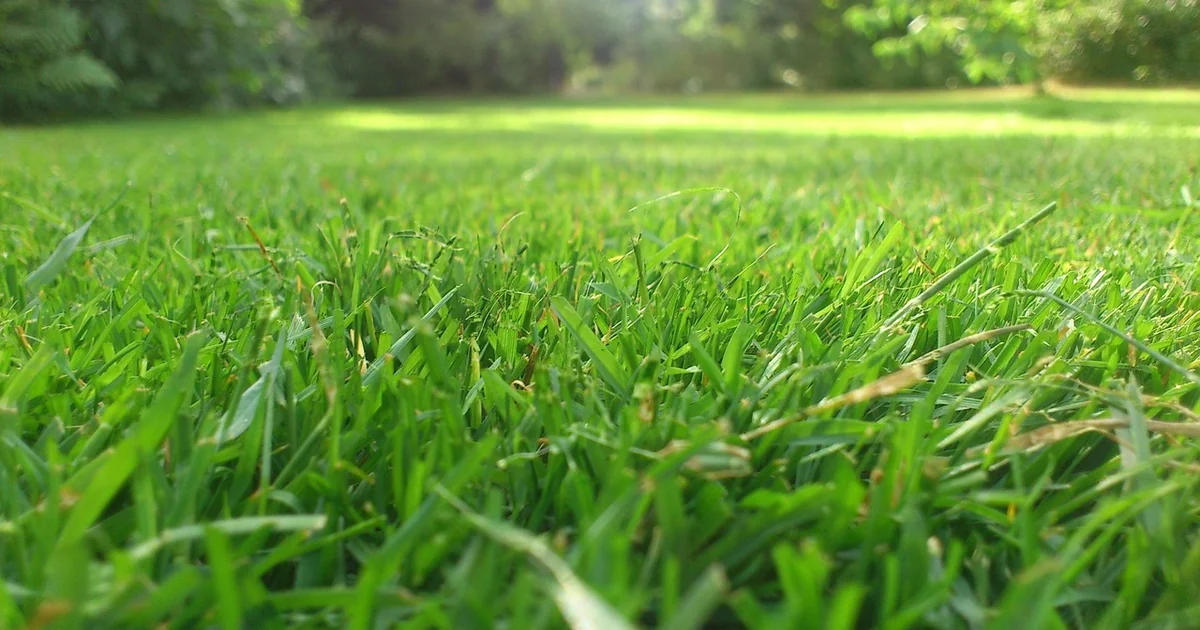
The most immediate effect of mowing without a bag is that the clippings stay exactly where they fall. Instead of piling them into yard waste bags, you let them settle between the grass blades. Those clippings are rich in nitrogen, phosphorus, and potassium—the same elements found in synthetic lawn fertilizers. The key difference is that the nutrients from clippings are released slowly as the plant matter decomposes, which means your grass gets a steady, gentle supply of food.
What Is Grasscycling?
Grasscycling is the intentional practice of leaving cut grass on the lawn after mowing. It is not the same as lazy mowing or neglect. It is a deliberate technique that returns nutrients to the soil. The University of Georgia Cooperative Extension notes that grass clippings can supply up to 20% of the nitrogen a healthy lawn requires. That is a significant contribution that reduces your dependency on store-bought fertilizers.
A Significant Nitrogen Contribution
Nitrogen is the nutrient most responsible for lush, green growth. By grasscycling, you effectively bring that nitrogen back into the root zone. Over a typical growing season, leaving clippings on the lawn can provide about one pound of actual nitrogen per 1,000 square feet. That is roughly the same amount you would get from a single application of a standard granular fertilizer. For a busy homeowner, that means one less trip to the garden center and one less bag of chemicals to spread.
Rapid Decomposition Leaves No Trace
Some people worry that clippings will sit on top of the lawn and create an unsightly mess. In reality, grass clippings break down naturally within a week under normal conditions. Earthworms and soil microbes do the work, pulling the organic matter into the soil profile. Within a few days, you cannot even see the clippings. The only evidence is the improved health of the turf.
Amazon US Verified
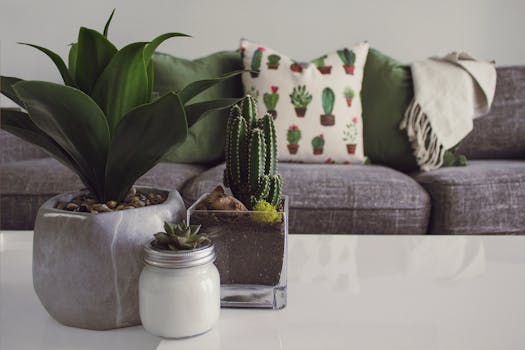
Self-Watering Planters with Drainage Aerators
Elevated reservoir design that prevents soggy roots and ensures steady hydration.
No Risk of New Grass Sprouting
A common myth is that leaving clippings will cause new grass to grow, creating a thicker, weedier lawn. This is not true. Grass clippings do not contain seeds. The seed heads of grass plants are typically not present in the clippings because they are removed earlier in the season or the grass is cut before seeds form. Therefore, you never have to worry about clippings turning into unwanted seedlings.
2. You Reclaim Valuable Time During Mowing Season
Another thing that happens when you mow without bag is that you finish the job faster. Bag attachment forces you to stop every few minutes to empty the bag. That interruption may seem minor, but over a full season the minutes add up. Eliminating those stops lets you move continuously from one area to the next.
How Much Time Can You Save?
The Oklahoma State Extension estimates that bagless mowing can cut annual mowing time by as much as one-third. For the average half-acre lawn, mowed once a week for six months, that equates to saving several hours per season. Those hours can be spent on other projects or simply relaxing. The time savings alone make grasscycling worth adopting for many homeowners.
3. You Reduce Your Environmental Footprint
Skipping the bag also means less yard waste ends up in landfills. Grass clippings constitute a significant portion of residential green waste. In many municipalities, it is actually illegal to put grass clippings in the regular trash because they take up space and produce methane as they decompose. By leaving clippings on the lawn, you avoid contributing to that waste stream entirely. You also save the money you would spend on paper yard waste bags or fees at the local drop-off site.
4. Your Mower’s Condition Determines Success
Before you take the bag off, you need to confirm that your mower is capable of operating safely without it. Some mowers rely on the bag to create proper airflow for cooling or for directing clippings into the discharge chute. Running such a machine without the bag can cause clogs or even damage the engine. Always check the owner’s manual or contact the manufacturer to verify that bagless operation is allowed. In many cases, installing a dedicated mulching kit is a better solution than simply removing the bag.
You may also enjoy reading: Protect Veggies With a Simple 3-Ring Pest Method.
The Importance of a Sharp Blade
For grasscycling to work well, the mower blade must be sharp. A dull blade tears the grass rather than cutting it cleanly. Torn grass tips turn brown quickly, giving the lawn a ragged appearance. Worse, torn clippings decompose more slowly and can form clumps. A sharp blade produces fine clippings that settle into the canopy and break down rapidly. Sharpening the blade once or twice per season is a small investment that pays off in a healthier lawn.
Additionally, always mow when the grass is dry. Wet grass clumps together and refuses to settle. Those wet clumps can block sunlight and create patches of matted, yellowing turf. Dry grass, on the other hand, disperses evenly and disappears in a few days.
Amazon US Verified
Digital 3-in-1 Soil Moisture & pH Meter
Accurate probe to test deep root zone moisture and prevent accidental overwatering.
5. When Bagging Remains the Better Option
Grasscycling is not suitable for every situation. If your grass has grown unusually tall—say, more than one-third taller than your usual mowing height—the clippings will be thick and heavy. They may not filter down to the soil surface, and instead sit on top in a dense layer. That layer can smother the grass underneath. Similarly, if the grass is wet from rain or morning dew, bagging is the safer option to avoid clumping and fungal issues. Diseased grass should always be bagged and disposed of away from the lawn, because leaving infected clippings on the ground can spread the disease to healthy patches.
Knowing when to bag and when to mow without bag is a matter of paying attention. The general rule: if the clippings are short, dry, and frequent, leave them. If the grass is tall, wet, or showing signs of disease, bag them. Using that simple guideline keeps your lawn healthy year-round.
Frequently Asked Questions
Can I mow without a bag if my lawn mower manual says not to?
No, you should not. Operating a mower without the bag when the manufacturer prohibits it can be dangerous. The bag often functions as a safety shield or a necessary component for proper operation. If you want to practice grasscycling, install a mulching kit approved for your model, or consider buying a mower that is designed for mulching from the factory.
Will leaving grass clippings cause thatch buildup in my lawn?
Generally, no. Thatch is a layer of dead roots and stems that builds up at the soil surface. Grass clippings are mostly water and decompose too quickly to contribute to thatch. As long as you mow frequently enough to produce short clippings, thatch is not a concern. Infrequent mowing that leaves long, stringy clippings can contribute to matting, but that is not true thatch.
Amazon US Verified
Organic Perlite Horticultural Soil Conditioner
Lightweight volcanic mineral that improves root aeration and prevents compaction.
How often should I sharpen my mower blade for best results with grasscycling?
Aim to sharpen the blade at least once every 20 to 25 hours of mowing, or at the start of each mowing season. A sharp blade makes clean cuts, which produce fine clippings that decompose quickly. If you notice ragged grass tips or a general browning after mowing, it is time to sharpen. Many lawn care centers offer blade sharpening for a small fee, or you can do it yourself with a file and a vise.
As an Amazon Associate, azuloz.com earns from qualifying purchases.