Transform your space with stylish seating that combines comfort, function, and timeless appeal
A banquette bench represents far more than simple seating. This furniture piece blends genuine comfort with everyday practicality, creating a focal point that draws people together. Your home gains both visual interest and functional benefits when you incorporate a well-designed banquette into your space.
This comprehensive guide walks you through everything you need to select, plan, and install the right banquette for your home. You’ll explore various styles, discover material options, understand key design considerations, and learn professional installation techniques. Whether you’re renovating your kitchen, updating your dining room, or building a cozy breakfast nook, this resource provides the information that helps bring your vision to life.
What is a Banquette Bench? Defining the Style
The term “banquette” originates from French, simply meaning bench. However, today’s interpretation extends far beyond that simple definition. This built-in seating typically features an L-shaped or U-shaped configuration that fits snugly against your walls. This arrangement creates an intimate, nook-like environment that feels far more welcoming than traditional separate seating arrangements ever could.
History of the Banquette
Banquettes trace their roots back centuries to medieval times when they served as long, raised platforms for seating during feasts and grand gatherings. Through evolution, they transformed into refined, upholstered pieces that we recognize today. During the 19th and 20th centuries, restaurants and diners embraced banquettes enthusiastically, recognizing how they combined space efficiency with comfort. Eventually, homeowners discovered these same advantages and began incorporating banquettes into their residential designs, recreating that cozy restaurant atmosphere in their own kitchens and dining areas.
Banquette vs. Booth vs. Bench – Understanding the Differences
While these terms often get used interchangeably, important differences exist. A bench stands as independent furniture that moves freely. A booth, typically found in commercial spaces, features three-sided enclosure with an integrated table. A banquette bench sits between these two—it’s built-in and attached to walls, yet offers more design flexibility. This hybrid approach delivers bench comfort alongside booth-style space efficiency, while maintaining a customized, integrated aesthetic that works beautifully in residential homes.
Why Choose a Banquette Bench? The Benefits
Investing in a banquette bench delivers clear advantages over traditional freestanding seating arrangements. Families and homeowners discover lasting benefits that enhance both their spaces and daily living.
Space Saving Solutions
Banquettes excel in smaller spaces because their built-in design eliminates the need to maneuver chairs around tables. This frees up valuable floor area, making them perfect for apartments, compact kitchens, and intimate breakfast nooks. Your room instantly feels larger and more open when furniture doesn’t consume floor space with chair legs and movement requirements.
Creating a Cozy Atmosphere
The enclosed nature of a banquette naturally fosters intimacy and warmth. The walls surrounding your seating area create a sense of enclosure that encourages conversation and makes spaces feel more inviting. Strategic upholstery choices and cushion designs amplify this welcoming quality, transforming functional seating into a gathering point where meaningful moments happen.
Increased Seating Capacity
Banquettes accommodate more people than comparable chair arrangements, especially in corner configurations. This expanded capacity serves families well and proves invaluable for those who entertain regularly. You gain flexibility in how many guests can comfortably sit without purchasing additional furniture pieces.
Popular Banquette Bench Styles and Designs
Banquettes come in numerous design styles, each offering distinct aesthetic qualities and functional characteristics. Understanding these variations helps you select a design that complements your existing décor while meeting your practical requirements.
Transitional Style Banquette
Transitional banquettes balance traditional and contemporary elements, creating versatile pieces that work in various interior schemes. These designs feature neutral foundational colors, smooth transitions between design elements, and refined detailing. The result appeals broadly because it neither feels dated nor trendy, adapting beautifully to your existing style.
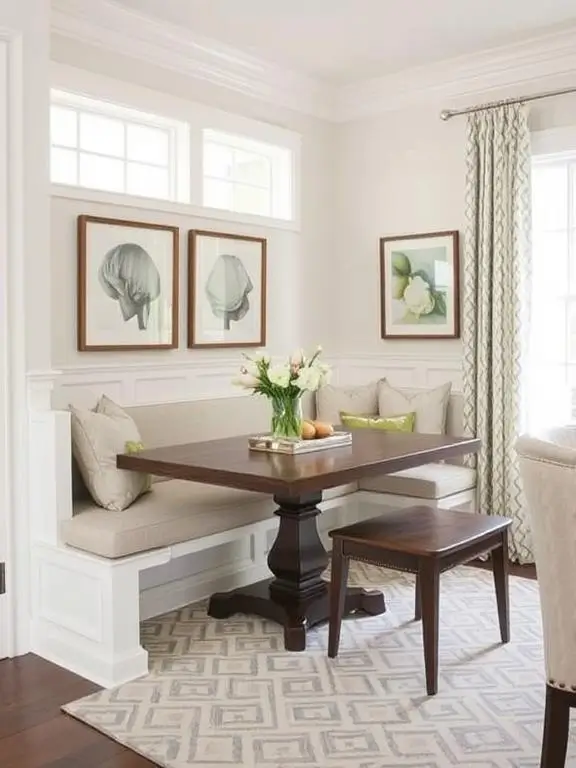
Key characteristics include mixed material construction, elegant proportions, and refined detailing. These banquettes work equally well in farmhouse, modern, and eclectic spaces, providing lasting appeal.
Modular Sectional Banquette
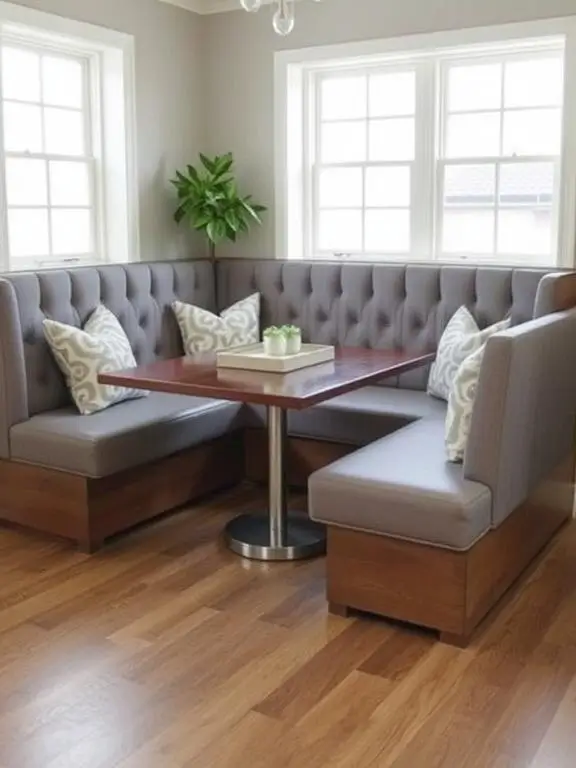
Flexibility defines modular sectional banquettes, which feature interchangeable seating modules allowing multiple configuration possibilities. Easy assembly and disassembly make these pieces adaptable as your needs change or your home layout evolves.

These designs incorporate lightweight construction alongside color-coordinated aesthetics. Complementary accessory options and technology integration possibilities make modular banquettes scalable solutions that grow with your household needs.
Minimalist Bedroom Accent Bench
Minimalism brings refined design principles to bedroom banquettes through low-profile construction, typically 12 to 14 inches high, and monochromatic color schemes. Pure geometric forms create clean lines that complement bedroom aesthetics perfectly.
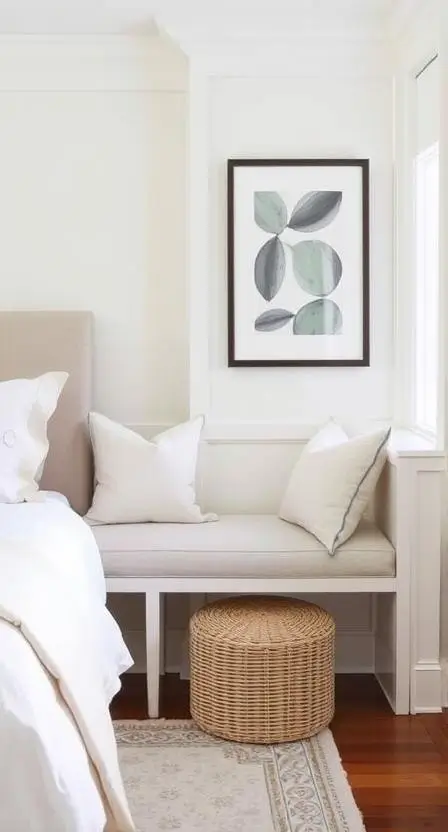
These pieces emphasize thin, elegant legs, minimal ornamentation, and precise craftsmanship. The resulting understated luxury works beautifully at the foot of beds or in bedroom seating areas, adding sophistication without clutter.
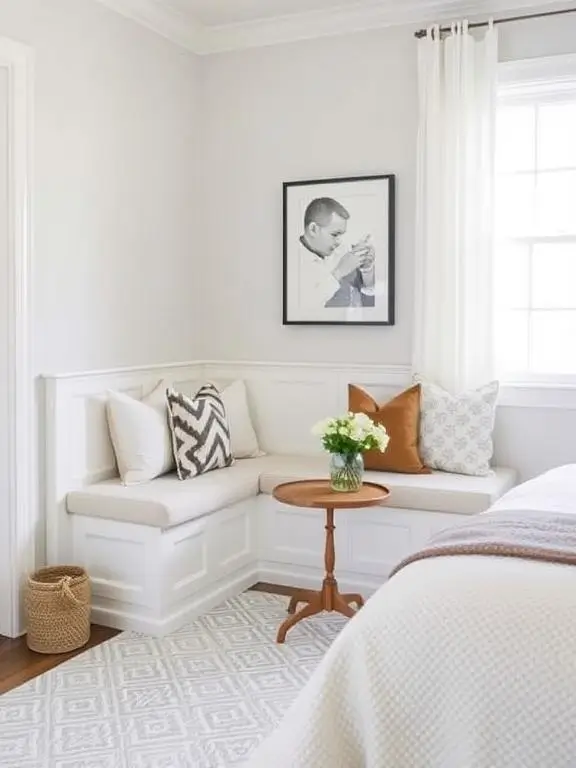
Smart Home Integration Bench
Modern living meets functional furniture through benches that incorporate technology features. Built-in wireless charging stations, voice-activated ambient lighting, and integrated sound systems turn seating into command centers for your connected home.
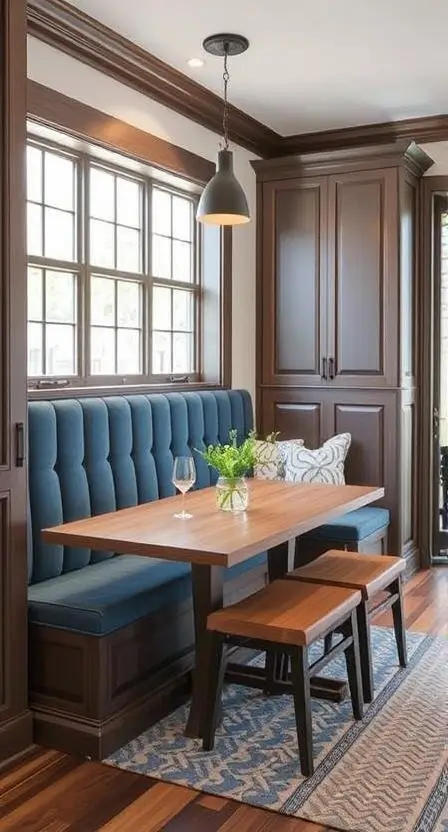
These technology-enhanced designs include touch-control features, biometric security options, and climate-adaptive materials. The sleek, futuristic aesthetic incorporates sustainable technology integration, ensuring your furniture remains current as smart home capabilities continue evolving.

Materials for Your Banquette Bench: A Comprehensive Guide
Selecting appropriate materials proves crucial for both aesthetics and longevity of your banquette bench. Your choice impacts durability, maintenance requirements, comfort level, and how well the piece integrates with your existing décor.
Upholstery Options
Fabric selection defines your banquette’s visual appeal and practical performance. High-performance fabrics resist staining and wear, making them ideal for high-traffic spaces or homes with children. Natural fibers like linen and cotton offer breathability and sophisticated aesthetics, though they require more careful maintenance. Leather provides durability and elegance but demands regular conditioning to maintain appearance and suppleness.
Frame and Base Materials
Solid wood frames offer durability and timeless appeal that works with various styles. Engineered wood provides budget-friendly alternatives with adequate structural support for regular use. Metal frames add contemporary flair and lightweight properties. Your choice impacts the piece’s longevity, weight capacity, and overall aesthetic compatibility with your interior design scheme.
Cushion Fill and Comfort
Cushion quality dramatically affects both comfort and durability. High-density foam provides excellent support and maintains shape over years of use. Memory foam offers personalized comfort that adapts to individual body shapes. Down-filled cushions deliver luxurious softness but require regular fluffing to maintain their appearance and loft.
Planning and Measuring Your Banquette Installation
Successful banquette installation begins with thorough planning and accurate measurements. Taking time to assess your space prevents costly mistakes and ensures your finished piece functions beautifully.
Measuring Your Space
Start by measuring the wall where you want to position your banquette. Measure from corner to corner, accounting for any obstacles like windows, electrical outlets, or radiators. Vertical measurements matter equally—consider ceiling height, light fixtures, and how the banquette relates to existing furniture heights and proportions.
Choosing the Right Dimensions
Banquette depth typically ranges from 18 to 24 inches to accommodate comfortable seating. Height usually matches standard dining chairs at 18 inches, though accent benches might be lower for variety. Length depends on your wall space but generally starts at 48 inches minimum for functional seating capacity that accommodates multiple people.
Budget Considerations
Banquette costs vary widely based on customization, materials, and construction quality. Stock pieces start around $400, custom upholstered benches range from $800-2,500, and fully built-in installations can exceed $5,000. Consider your budget alongside long-term value, as quality pieces outlast cheaper alternatives by many years, making them better investments.
Key Takeaways:
- ✓Banquettes maximize space while creating intimate gathering areas perfect for meals and connection
- ✓Multiple design styles—from transitional to minimalist to tech-integrated—suit various home aesthetics
- ✓Material selection impacts durability, maintenance, and how well your banquette functions daily
- ✓Accurate measurements and planning ensure your banquette fits perfectly and functions as intended
- ✓Investment in quality construction pays dividends through years of reliable, comfortable seating
- ✓Customization options allow you to create a piece reflecting your personal style and needs
Installation and Maintenance Tips
Proper installation and regular maintenance ensure your banquette remains beautiful and functional for years to come, protecting your investment.
Professional vs. DIY Installation
Built-in banquettes typically require professional installation to ensure proper wall anchoring and leveling. Stock banquettes can often be assembled by handy homeowners, though following manufacturer instructions carefully prevents structural issues. Consider hiring professionals when projects involve wall modification or complex built-in work.
Regular Cleaning and Care
Vacuum upholstered benches regularly to remove dust and debris. Treat spills immediately by blotting with absorbent cloth—never rub, as rubbing drives stains deeper into fabric. Use fabric-safe cleaning products or hire professional cleaners for deep cleaning. Fluff cushions regularly to maintain shape and comfort throughout the year.
Addressing Wear and Damage
Small rips or stains often respond well to professional repair services. Regular maintenance prevents minor issues from becoming major problems requiring replacement. Many upholstered benches allow for slipcover replacements, letting you refresh appearance without replacing the entire piece.
Frequently Asked Questions About Banquette Benches
Can I install a banquette in a small apartment?
Absolutely. Small apartments benefit tremendously from banquettes because their built-in design doesn’t consume floor space with furniture legs. They work perfectly for compact kitchen nooks and studio apartments where maximizing usable space matters greatly. A corner banquette can seat more people than traditional chairs in the same footprint.
What’s the most durable upholstery for a banquette?
High-performance synthetic fabrics and leather offer the greatest durability for heavily used banquettes. These materials resist staining, fading, and wear from daily contact. If you prefer natural materials, heavy-weight linen or performance-treated cotton provides good durability while offering natural aesthetics. Your household situation—pets, children, entertaining frequency—should guide this choice.
How much does a custom banquette cost?
Custom banquette pricing ranges from $800 to $5,000 or more depending on size, materials, construction complexity, and labor costs. Built-in installations requiring wall modification cost more than standalone pieces. Stock banquettes provide affordable entry points starting around $400, while semi-custom options offer middle-ground pricing around $1,200-2,000.
Can I use a banquette in rooms other than kitchens?
Certainly. Banquettes work beautifully in bedrooms, living rooms, entryways, and home offices. Bedroom banquettes add stylish seating at the bed’s foot, living room banquettes create window seats, entryway pieces provide practical shoe-removal seating, and office banquettes maximize limited space while maintaining professional aesthetics. Design possibilities extend far beyond dining areas.
How do I choose between built-in and freestanding banquettes?
Built-in banquettes create permanent installations that feel integrated into your home’s architecture, ideal for long-term residents planning significant renovations. Freestanding pieces offer flexibility if you rent, plan moves, or want to rearrange periodically. Budget influences this choice too—built-in pieces cost more but provide more dramatic visual impact. Consider your housing situation, aesthetic goals, and long-term plans before deciding.
Bringing Your Banquette Vision to Life
A thoughtfully selected banquette bench transforms your home by combining practical seating with visual appeal. Whether you prioritize space-saving efficiency, design aesthetics, or hosting capacity, banquettes deliver solutions that adapt to your specific needs and lifestyle.
Start by assessing your space, identifying your style preferences, and considering how your lifestyle impacts material choices. Research various designs, compare costs, and imagine how a banquette would enhance your daily living. Take time making this decision—when you get it right, your banquette becomes a cherished feature that draws family and friends together for years to come.