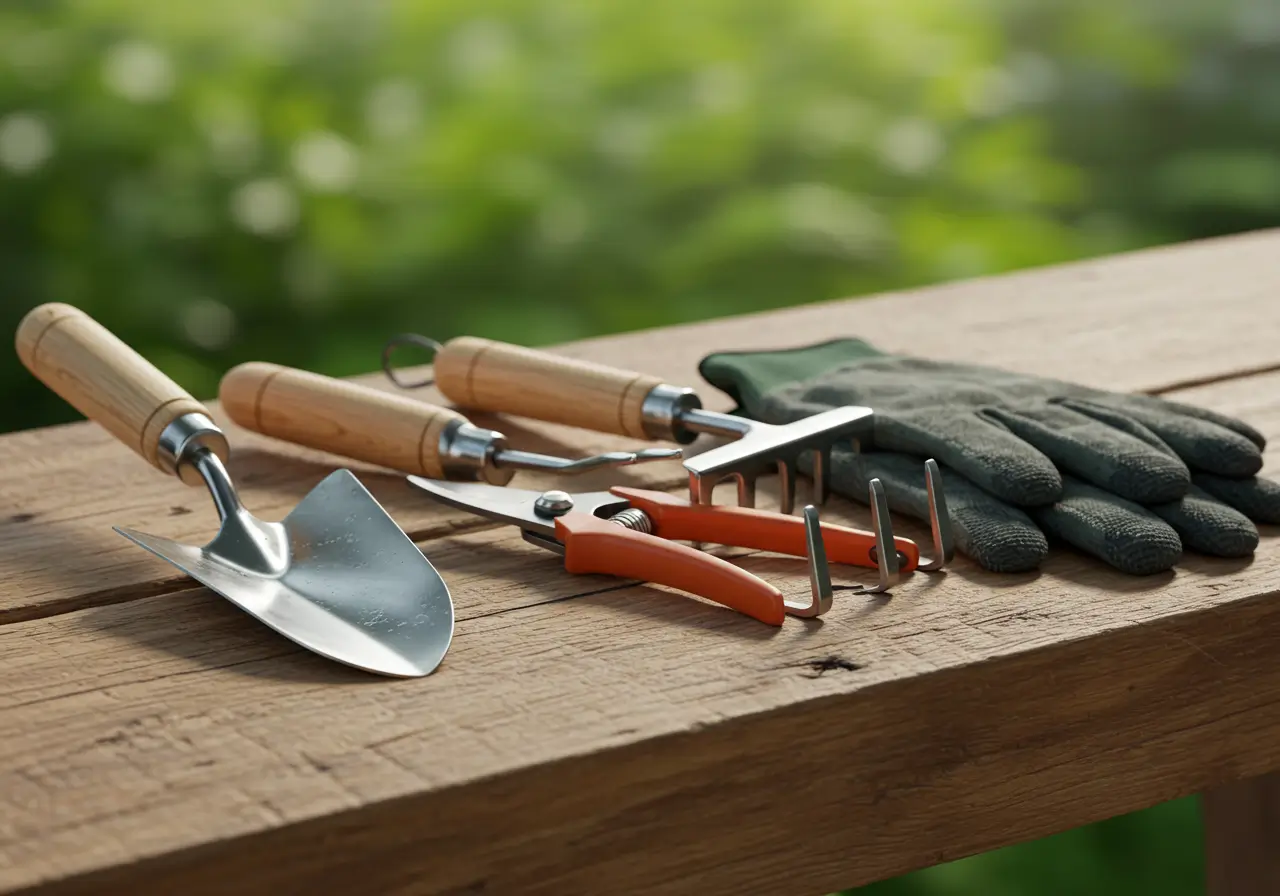
Garden hand tools do the work that larger equipment cannot: planting a seedling without disturbing its neighbors, lifting a taproot, loosening soil in a container, and making a clean pruning cut. You do not need a crowded shed to garden well. For most home gardens, a carefully chosen trowel, hand fork, weeder, cultivator, and pair of bypass pruners will cover nearly every routine job.
The best tools are not necessarily the most expensive. They are strong enough for your soil, comfortable in your hand, suited to the plants you grow, and easy to maintain. This guide explains what each garden hand tool does, which features matter, how to use it safely, and how to keep it working for years.
Why garden hand tools still earn their place

Power tools are useful for large lawns, long hedges, and major soil preparation. Hand tools are better when the task calls for control. They start instantly, fit into raised beds and containers, produce little noise, and let you work close to stems and roots.
Amazon US Verified
Organic Perlite Horticultural Soil Conditioner
Lightweight volcanic mineral that improves root aeration and prevents compaction.
They give you precision around plants

A narrow trowel or pointed weeder can work between closely spaced vegetables and perennials without churning the whole bed. Small snips let you harvest herbs or remove spent flowers one stem at a time. That control reduces accidental damage and makes hand tools especially useful in densely planted gardens.
They help you notice what the garden needs

Working at plant level makes it easier to notice dry soil, poor drainage, fresh weed seedlings, damaged leaves, and early pest activity. A hand tool also gives immediate feedback: unusual resistance may indicate a root, stone, buried irrigation line, or compacted layer. Stop and investigate instead of forcing the tool.
Amazon US Verified
Self-Watering Planters with Drainage Aerators
Elevated reservoir design that prevents soggy roots and ensures steady hydration.
They fit small spaces

Balconies, window boxes, patio pots, and raised beds leave little room to swing a long-handled tool. A hand fork, trowel, and compact cultivator let you maintain these spaces without uprooting nearby plants or scattering potting mix.
They allow targeted soil work

Instead of turning an entire bed, you can loosen only the planting hole, remove one weed, or lightly break a crusted surface. This is useful in established beds where unnecessary digging can damage roots and bring buried weed seeds closer to the light. Hand tools do not prevent compaction on their own, however; avoiding foot traffic on growing beds and adding organic matter where appropriate are also important.
The five essential garden hand tools
If you are assembling a first toolkit, start with the following five tools. Buy for the work you actually do rather than choosing a large matching set filled with pieces you may never use.
1. Hand trowel

A hand trowel is the everyday tool for digging planting holes, transplanting small plants, scooping compost or potting mix, and removing shallow weeds. A standard broad blade moves soil efficiently. A narrow transplanting trowel reaches between plants and makes deeper, slimmer holes. For routine planting and transplanting, the Corona Premium Stainless Steel ComfortGEL garden trowel combines a rust-resistant blade with an extended cushioned handle.
Choose a blade that does not flex when you press it into your usual soil. Depth markings can help with bulbs, but measure from the soil surface and follow the planting guidance for the particular bulb rather than treating the markings as a universal rule.
2. Hand fork

A hand fork has strong, usually straight or slightly curved tines. Use it to loosen small areas of firm soil, tease apart congested roots, mix compost into the upper layer of a bed, or lift fibrous-rooted weeds. It is often more effective than a trowel in stony ground because the tines can move around small obstacles. A stainless steel gardening hand fork is a practical option for weeding, planting, and loosening small areas.
Do not use a hand fork as a pry bar. If the tines will not move, loosen the area in several passes or switch to a larger tool designed for leverage.
3. Hand cultivator

A hand cultivator typically has curved, claw-like tines. It is designed for shallow work: breaking a surface crust, leveling the top of a container, lightly incorporating a granular amendment according to its label, and disturbing very young weeds. Keep the action shallow around established plants so you do not tear feeder roots. The Corona Premium Stainless Steel ComfortGEL cultivator has tapered tines and a reinforced tang for this type of surface work.
4. Hand weeder

The best weeder depends on the weeds and surfaces you have:
- Forked weeder: slips beside dandelions and other taproots so you can lever out more of the root.
- Hand hoe or loop weeder: cuts young annual weeds just below the surface in open soil.
- Crack weeder: reaches weeds in paving joints; use it carefully to avoid damaging grout or irrigation lines.
- Soil knife: combines digging, cutting, and root-removal functions.
The Corona CT 3254 ComfortGEL weeder is one forked option for working beside taproots. Weed before plants set seed. For weeds that can regrow from root fragments, identify the plant first and choose a removal method that does not spread it.
5. Bypass pruners

Bypass pruners work like scissors: a sharpened blade passes a thicker counter-blade. They are the most versatile choice for live stems because a properly adjusted, sharp pair makes a clean cut. The Felco F2 pruning shears use a precision bypass blade, aluminum handles, and replaceable components. Anvil pruners press a cutting blade onto a flat base and can be useful for dry, dead material, although they may crush soft living stems.
Every pruner has a maximum cutting capacity. If you need both hands, repeated twisting, or excessive force, the branch is too large. Move to loppers or a pruning saw rather than damaging the plant, the tool, or your hand.
How to choose durable, comfortable tools
Match the metal to your maintenance habits

| Material | Advantages | Trade-offs |
|---|---|---|
| Stainless steel | Good corrosion resistance and easy cleanup | Quality and edge retention vary by alloy and construction |
| Carbon steel | Strong and capable of holding a keen edge | Needs prompt drying and a protective film of oil to limit rust |
| Aluminum or alloy | Lightweight and corrosion-resistant | May bend or fracture under loads that forged steel tolerates |
Material labels alone do not prove quality. Thickness, heat treatment, welds, tang design, and overall construction matter as much as the name of the metal.
Understand forged and stamped construction
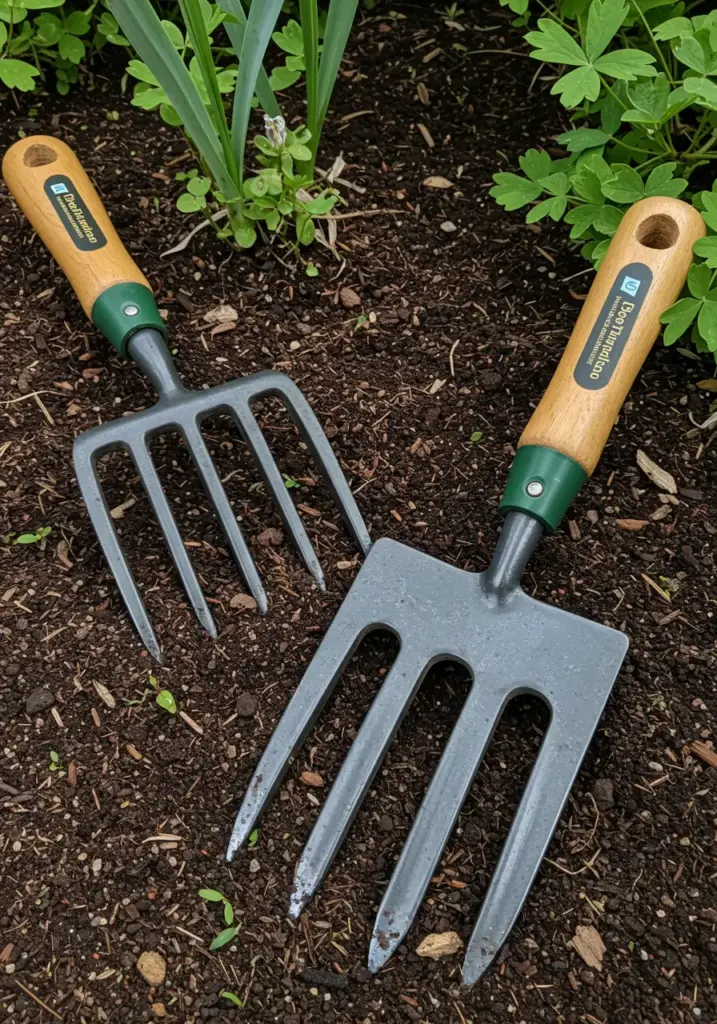
Forged steel is shaped under heat and pressure and is often chosen for tools expected to handle hard soil. Stamped tools are cut and formed from sheet metal; a well-designed stamped tool may be perfectly adequate for light soil and container work. Rather than assuming one method is always superior, inspect the blade thickness, reinforcement, welds, and the manufacturer’s intended use.
Inspect the tang, socket, and fasteners
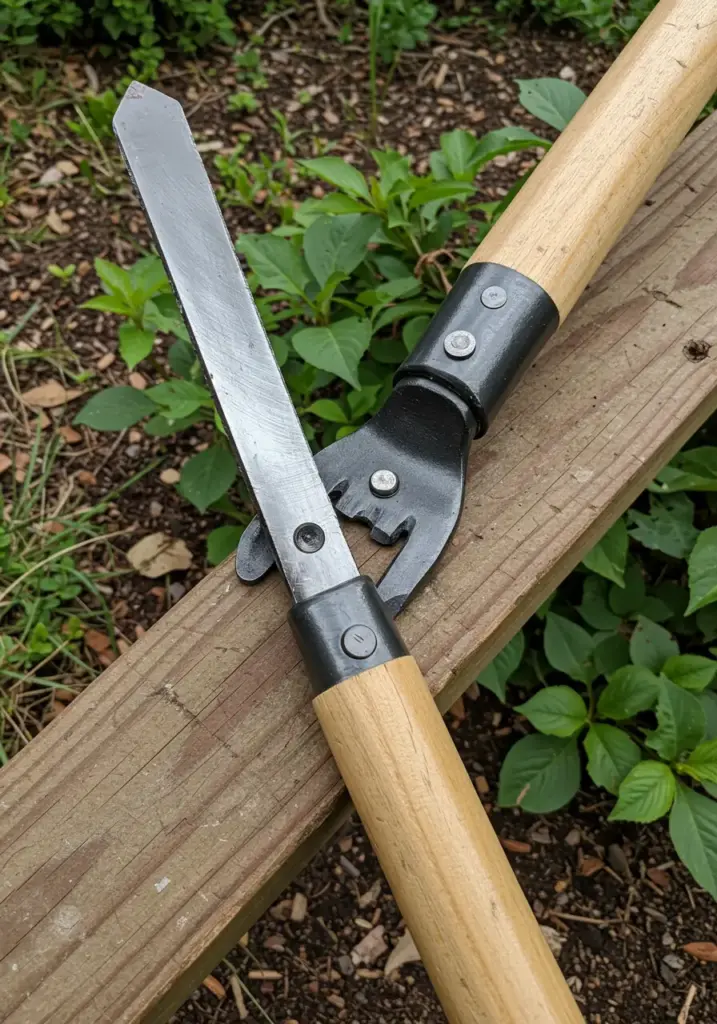
The joint between the working head and handle is a common failure point. A full tang extends well into or through the handle and can provide excellent strength. A deep, tightly fitted socket can also be durable. Avoid loose rivets, visible cracks, rough welds, or a handle that rotates independently of the blade.
Choose a handle that fits you
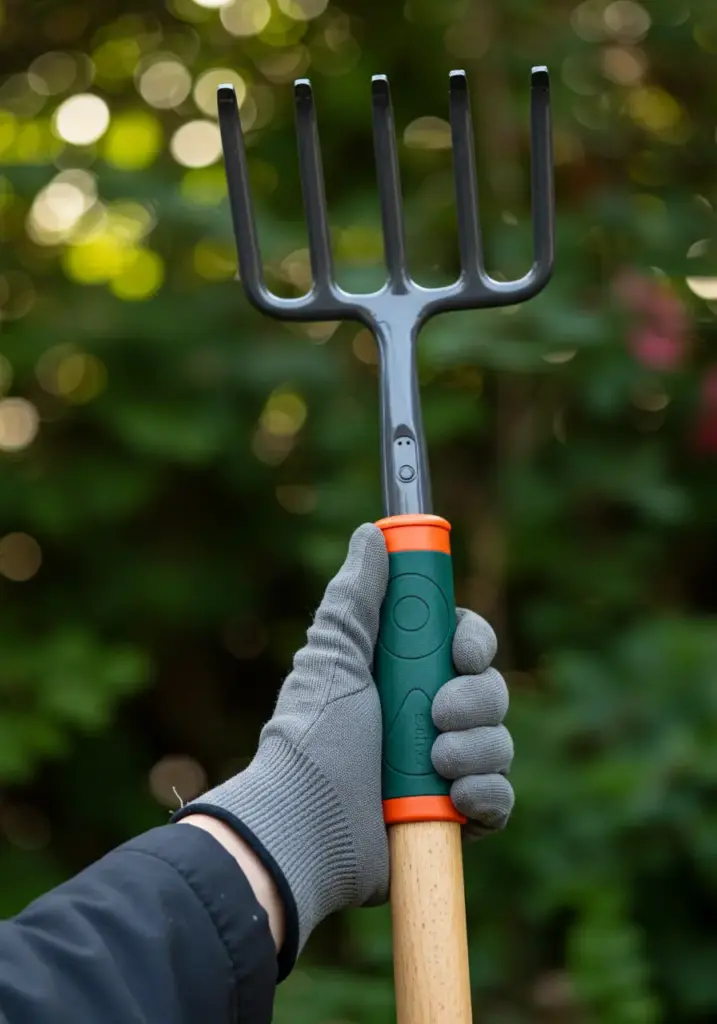
Grip diameter and shape affect comfort more than decorative styling. Hold the tool in the position in which you will use it. Your wrist should feel neutral, your fingertips should not dig into your palm, and the tool should not tip heavily forward. Textured or cushioned grips help when hands are damp, while bright handles are easier to find in foliage.
If grip strength, wrist pain, or arthritis is a concern, look for larger-diameter handles, angled grips, lightweight heads, spring-assisted pruners, or long-handled versions that reduce bending. A tool such as the Corona GT 3244 extended-reach hoe and cultivator can help you work from a more upright position. Try before buying whenever possible.
Use garden hand tools with less strain
Wear gloves appropriate to the task, closed shoes when working with pointed tools, and eye protection when cutting brittle stems or working around thorns. Check the area for irrigation tubing, cables, and buried obstacles before digging. Keep your free hand out of the cutting path.
Digging and planting with a trowel
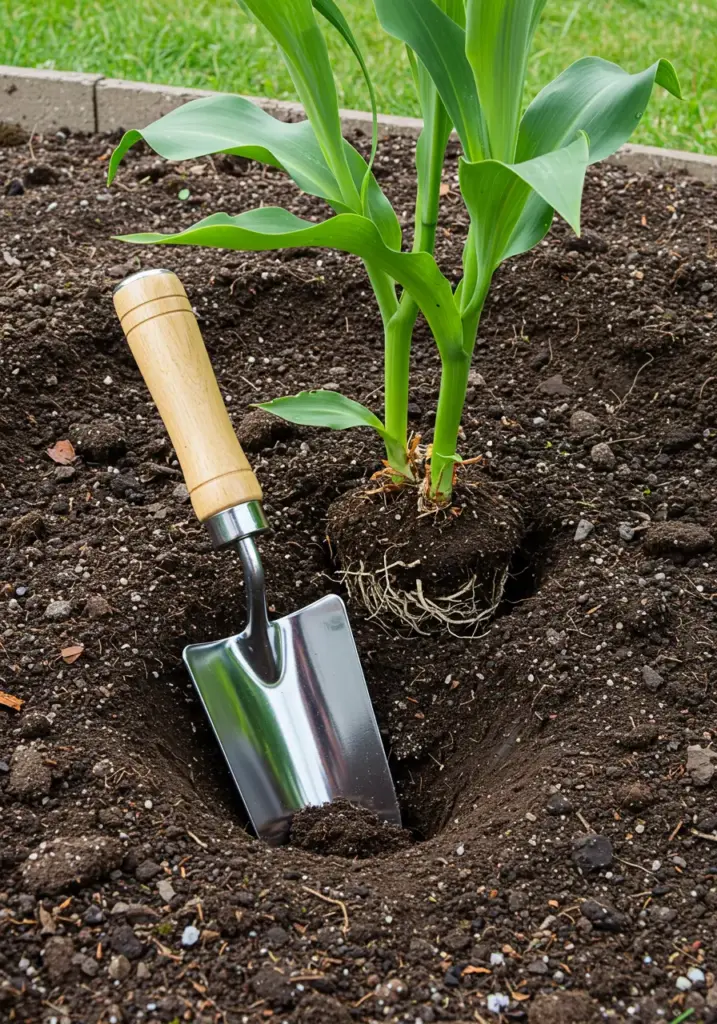
- Water very dry soil beforehand if conditions and the plant allow; slightly moist soil is usually easier to work than baked or saturated soil.
- Insert the tip and loosen the hole in small bites instead of forcing the blade sideways.
- Make the hole wide enough to accommodate the roots without folding or circling them.
- Backfill gently, settle the soil with water, and firm only enough to remove large air pockets.
Loosening soil with a fork or cultivator
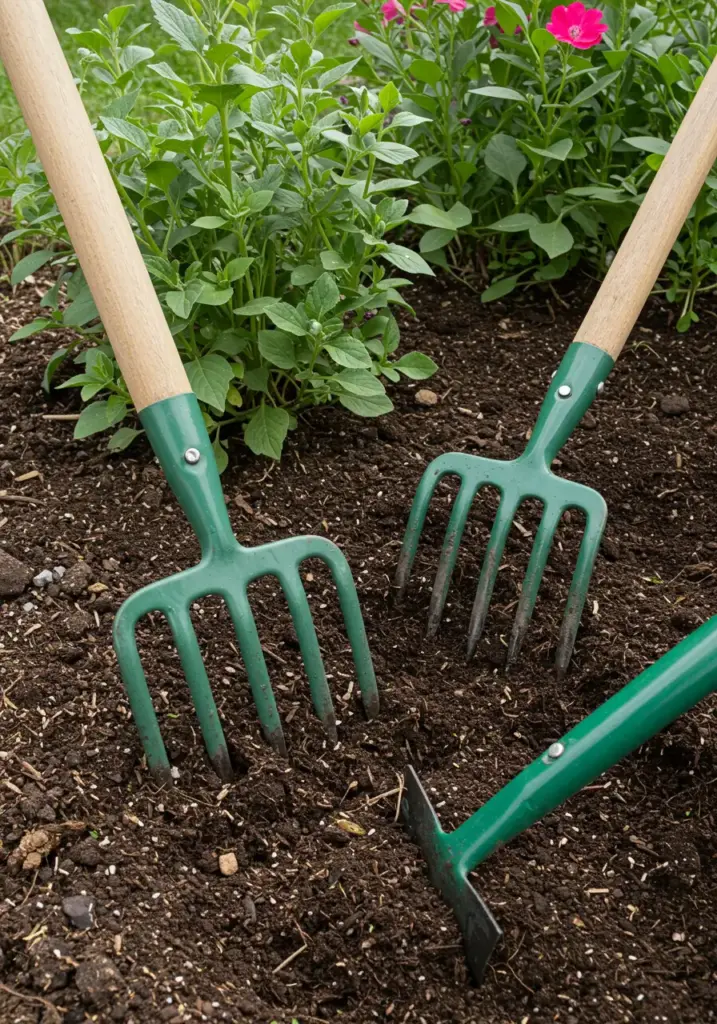
Push a hand fork into the soil a short distance from plant crowns and rock it gently. Work progressively rather than lifting one heavy mass. Use a cultivator with short, shallow strokes on the surface. Avoid working clay-rich soil when it is waterlogged because handling it then can damage its structure.
Removing weeds effectively
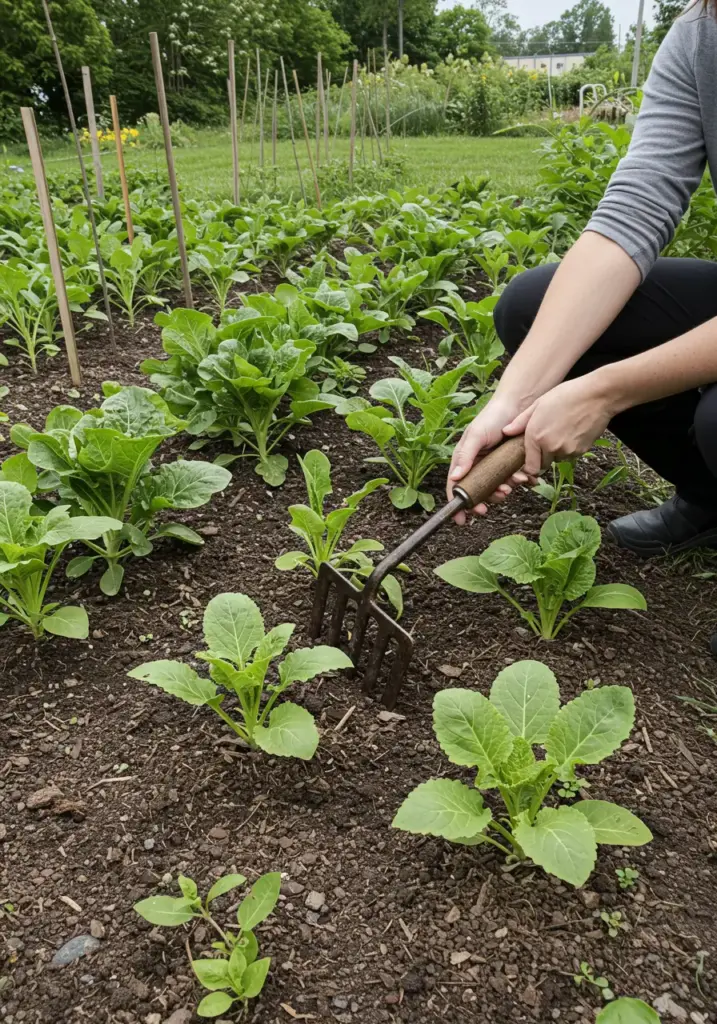
Moist, not muddy, soil often releases established roots most easily. Insert a forked weeder beside the root rather than through the crown, then lever slowly. For young annual weeds in open ground, shallow hoeing can be faster. Collect weeds carrying mature seeds and any invasive plant material that local guidance says should not be composted.
Making clean pruning cuts
Keep the bypass pruner’s sharpened blade toward the part of the plant that will remain; this places any slight crushing damage on the discarded side. Cut just beyond the appropriate bud, branch collar, or junction for that plant. A universal 45-degree angle and fixed quarter-inch distance are not right for every pruning job, so learn the needs of the species and stem type.
Do not cut into the branch collar when removing a woody branch, and do not leave an unnecessarily long stub. If a plant may be diseased, clean visible debris from the blades and follow local plant-health guidance on disinfecting between cuts or plants.
A simple garden tool care routine
Routine maintenance is quicker than restoring a neglected tool. It also lets you spot loose parts or damaged blades before they cause an injury.
After each gardening session
- Remove soil and plant debris. Use a stiff brush or wooden scraper. Wash only as much as necessary.
- Clean sap from cutting blades. A damp cloth and mild detergent may be enough. For stubborn residue, use an appropriate blade cleaner and follow its label.
- Dry the tool completely. Pay attention to pruner pivots, sockets, and crevices.
- Inspect it. Stop using a tool with a cracked handle, loose head, bent tine, damaged lock, or chipped cutting blade until it is repaired or replaced.
- Store it under cover. Hang tools or place them in a dry rack so edges do not strike one another.
Sharpen only the correct edge
Use a file, diamond hone, or sharpening stone suited to the tool. Follow the existing bevel rather than creating a new angle, and secure the tool so it cannot slip. On most bypass pruners, sharpen the beveled face of the cutting blade and remove only the light burr from the flat face. Consult the manufacturer’s instructions for replaceable blades or unusual designs.
Lubricate and protect
After cleaning and drying, apply a small amount of suitable light oil to pruner pivots and springs, then wipe away the excess. A thin protective coating can help prevent rust on carbon-steel surfaces. Avoid leaving oily residue on handles or using a product that could contact edible crops unless its directions allow that use.
Care for wooden handles
Lightly sand raised grain or small splinters. Replace a cracked handle rather than binding it with tape. If the manufacturer recommends it, a light application of an appropriate drying oil can slow moisture exchange; let oily rags dry safely according to the product warning because some oils can generate heat as they cure.
Amazon US Verified
Digital 3-in-1 Soil Moisture & pH Meter
Accurate probe to test deep root zone moisture and prevent accidental overwatering.
Specialized tools worth adding when the job calls for them
Soil knife or hori-hori
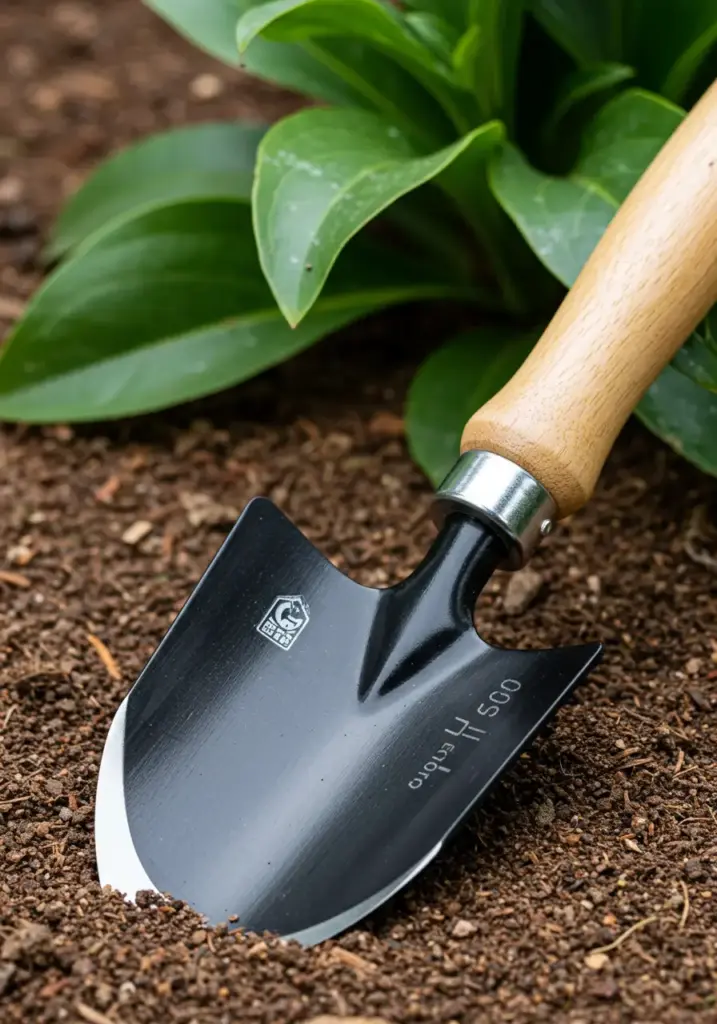
A hori-hori has a pointed, often concave blade and may include one serrated edge and depth markings. The Nisaku NJP650 hori-hori weeding knife has a 7.25-inch stainless steel blade with straight and serrated edges. This type of tool can plant bulbs, cut small roots, divide modest perennial clumps, and remove weeds in tight spots. Use the sheath when carrying or storing it, and never pull the blade toward your supporting hand.
Dibber or dibbler
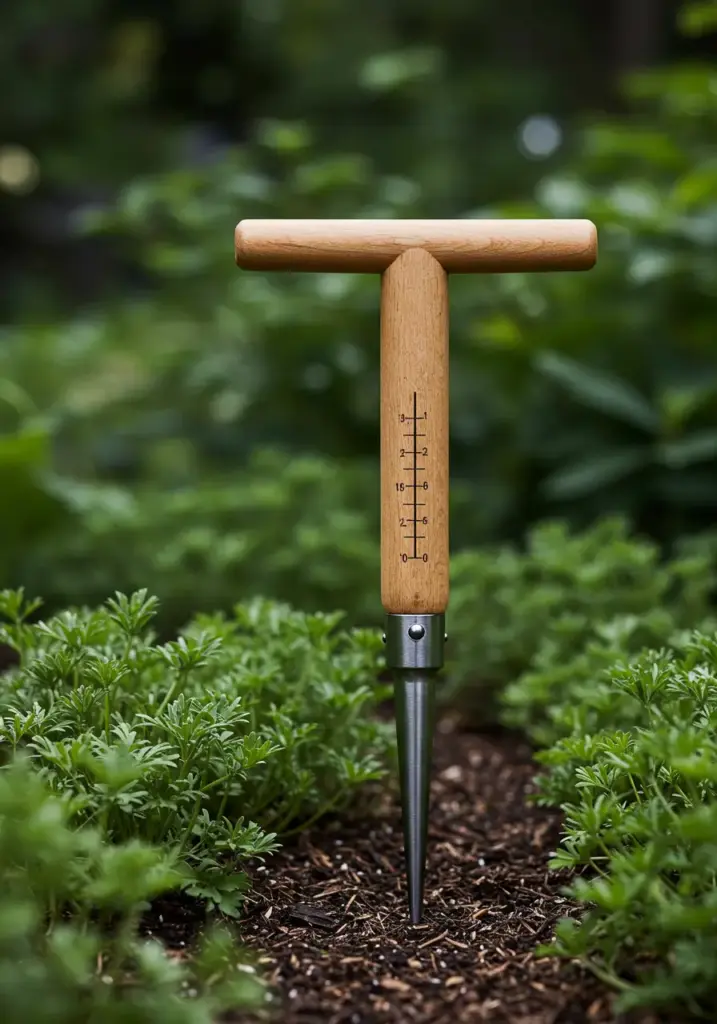
A dibber makes quick, consistent holes for seeds, plugs, and small bulbs. It is most useful when planting many items at regular spacing. In heavy soil, avoid pressing so hard that the sides of the hole become glazed and difficult for roots to penetrate.
Bulb planter
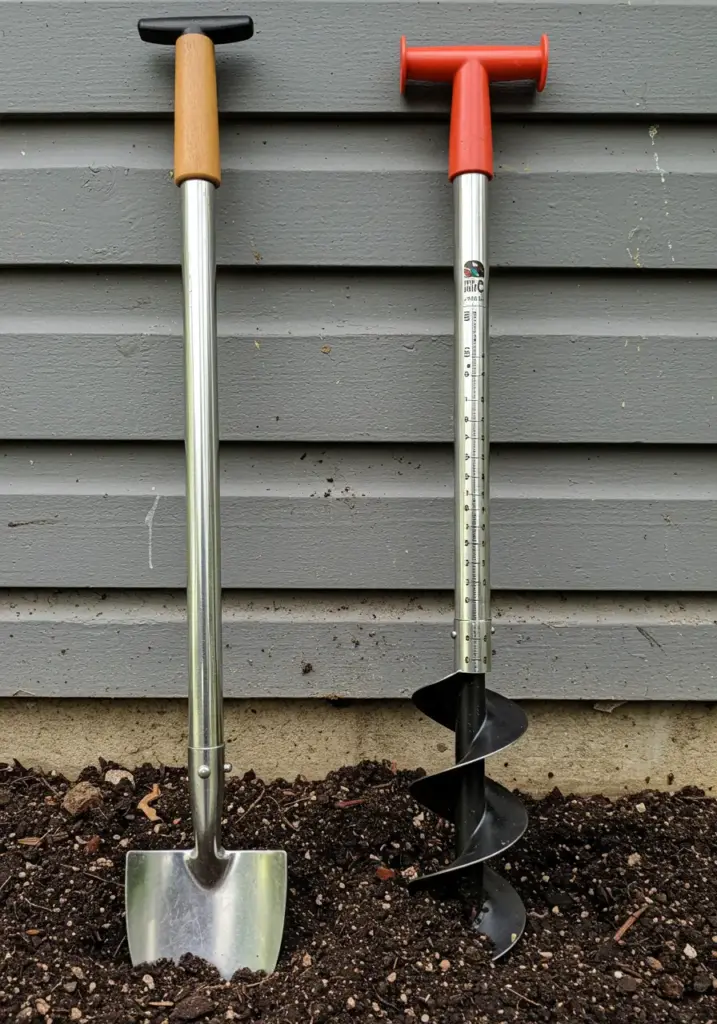
A cylindrical bulb planter removes a soil core and speeds repetitive planting in workable, relatively stone-free ground. A serrated rim and strong welds are useful in firm soil. For large drifts or hard ground, a long-handled model may be easier on the knees and back.
Hand rake
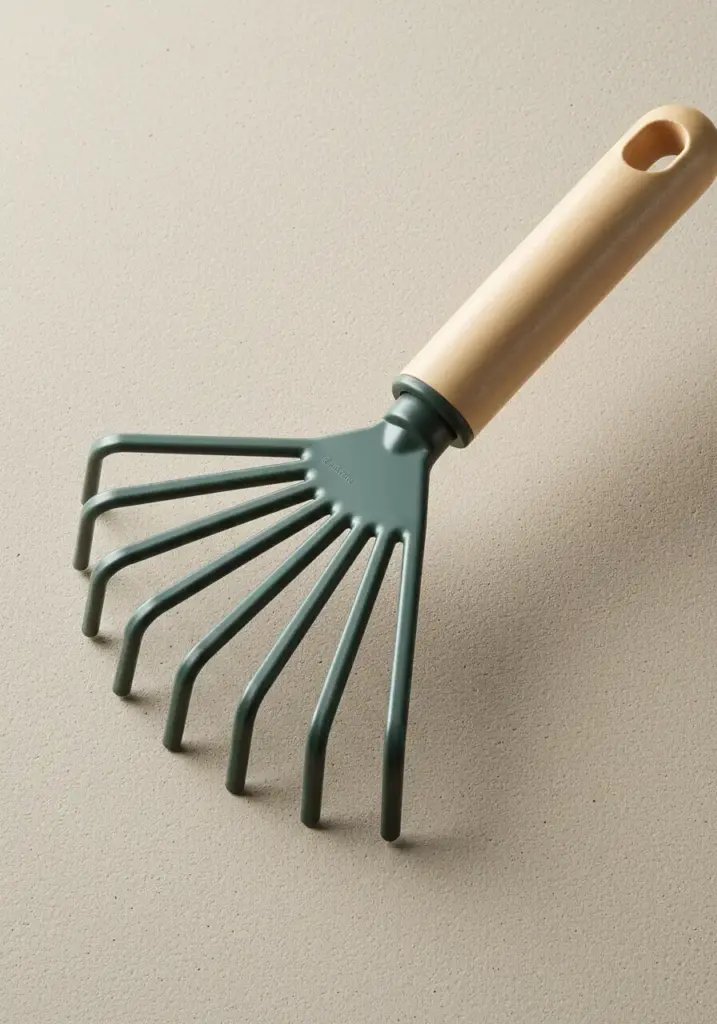
A hand rake reaches between shrubs and gathers leaves or clipped stems without sweeping away an entire layer of mulch. Flexible tines suit light debris; firmer tines are better for leveling loose soil.
Garden snips
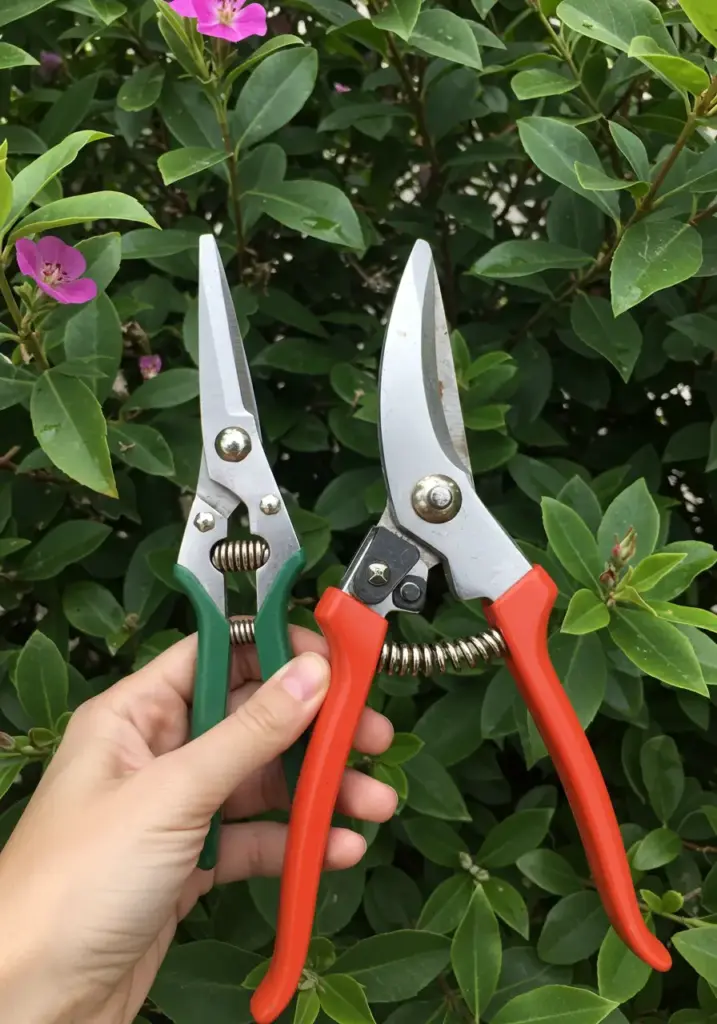
Fine, narrow blades offer more control than pruners for harvesting herbs, deadheading delicate flowers, and trimming soft growth. The Fiskars 6-inch non-stick pruning snips come as a two-pack and have resin-resistant blades for detailed cutting tasks. They are not substitutes for pruners on woody stems. Clean them before and after harvesting edible plants and keep their protective cap on in storage.
Also read: 25 Companion Planting Combinations for a Thriving Garden
How hand tools support a lower-impact garden
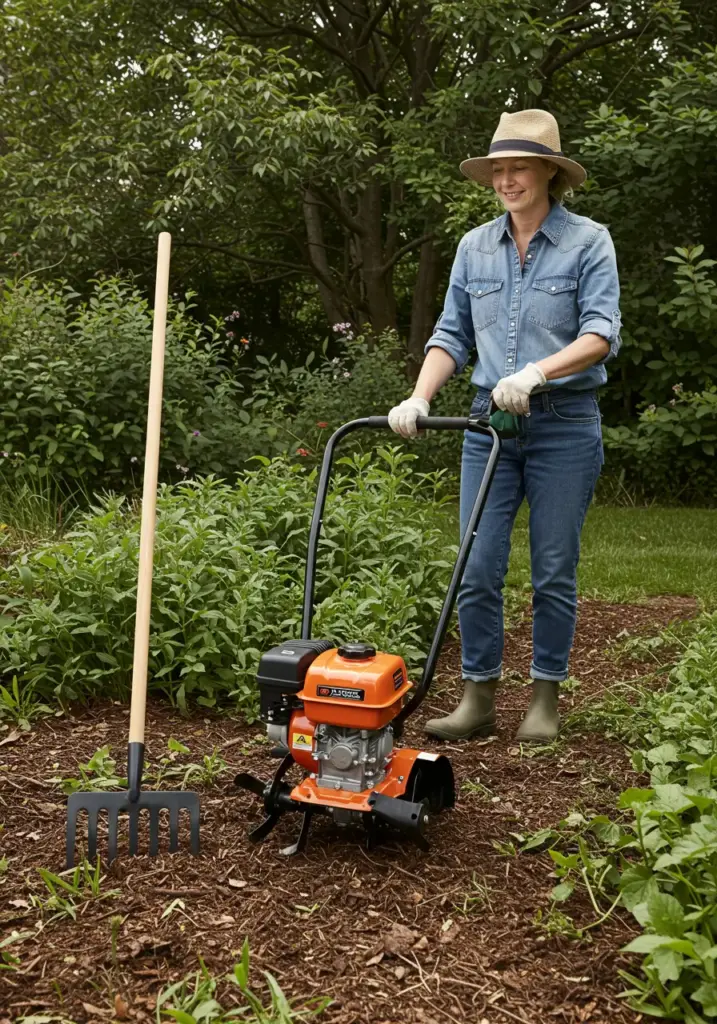
Manual tools use no fuel or electricity while you operate them. For small, precise jobs, that makes them a quiet and efficient alternative to starting powered equipment. Their total environmental impact still depends on materials, manufacturing, transport, maintenance, and lifespan, so a durable tool you repair and use for years is generally a better purchase than several short-lived replacements.
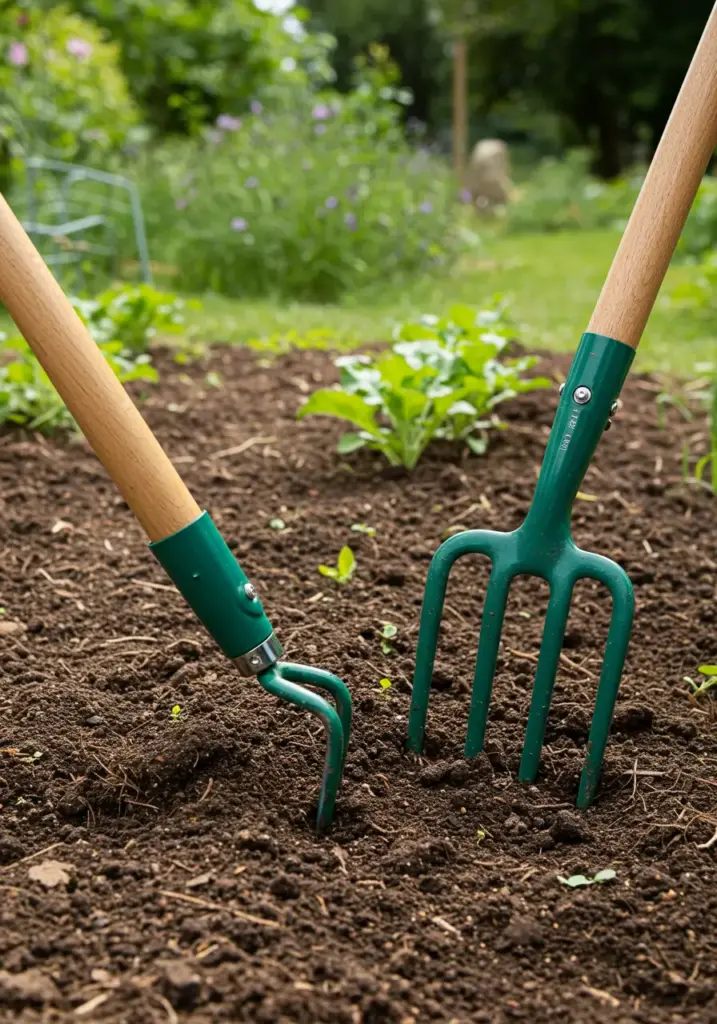
Hand tools also make selective soil management practical. You can remove one weed, open one planting hole, or loosen a compacted patch without routinely turning the entire bed. Less disturbance can preserve established roots and soil channels, but the right approach depends on the crop, soil, weeds, and site.
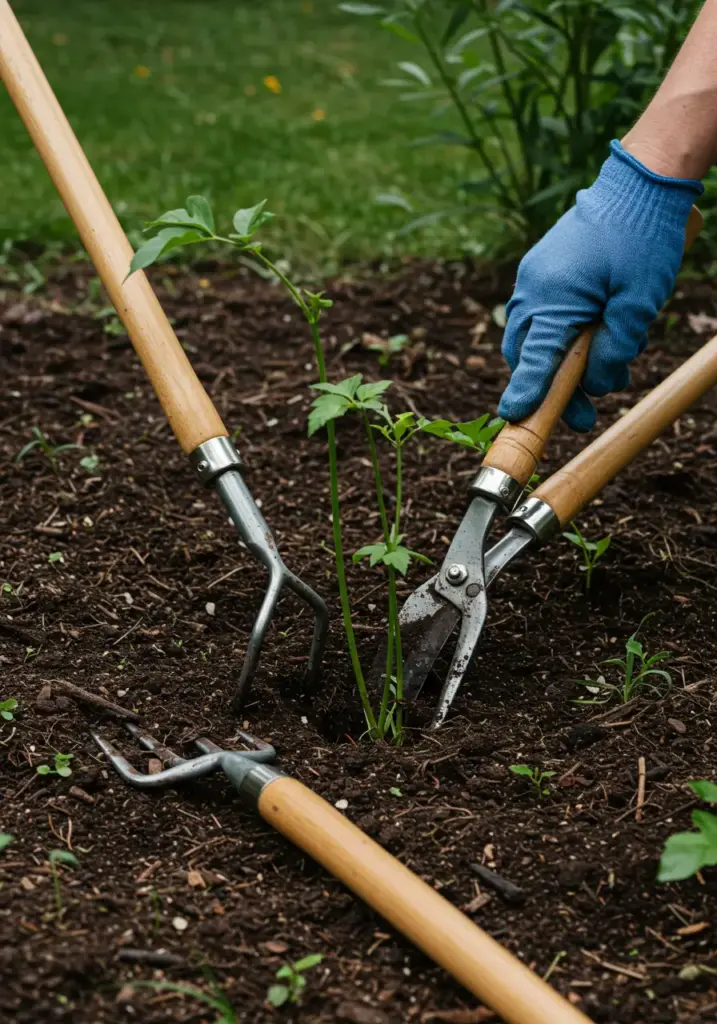
Regular hand weeding can reduce the need for herbicides in a manageable home garden. The key is timing: remove annual weeds before seed set and address perennial weeds according to how they spread. Manual removal is not automatically harmless, so clean tools used around invasive plants and dispose of problem material according to local rules.
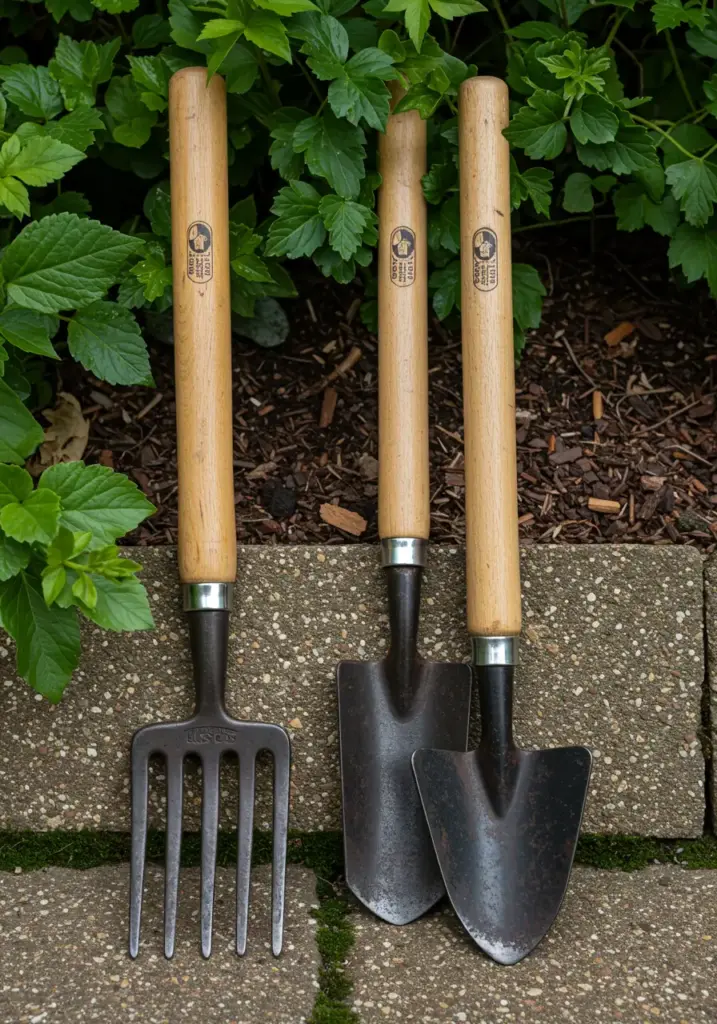
Replaceable blades, springs, screws, and handles can extend a tool’s useful life. Before buying, check whether spare parts are available and whether the tool can be disassembled without destroying rivets or molded components.
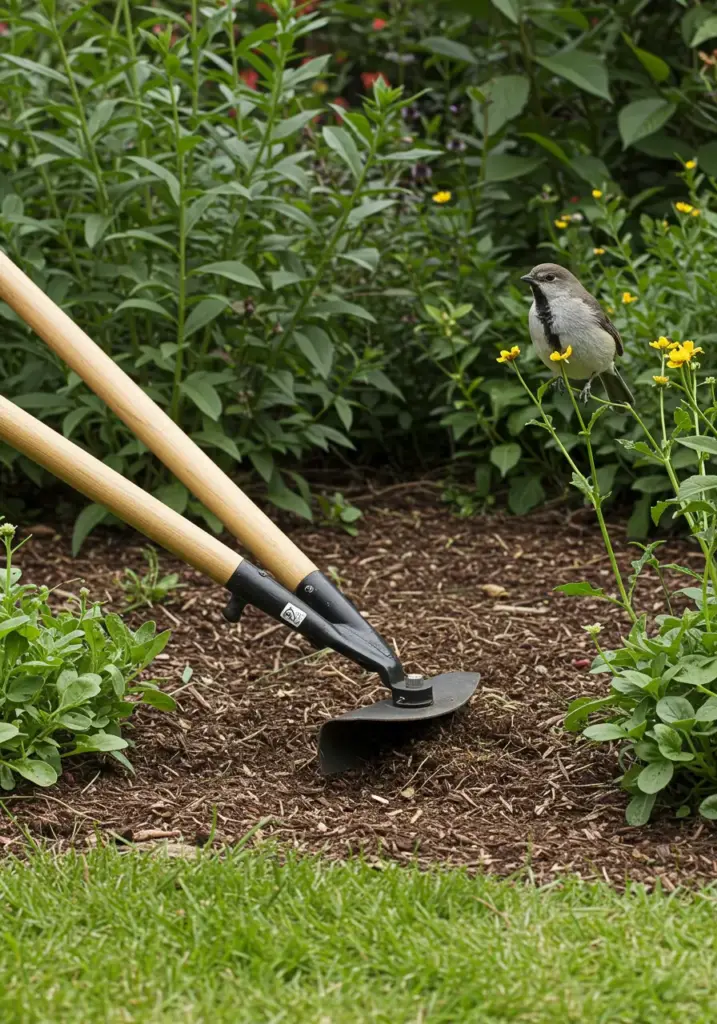
Quiet tools make the garden more pleasant and help you hear birds, people, and other activity around you. Before pruning dense shrubs, trimming groundcover, or clearing debris, check carefully for nests, sheltering animals, and beneficial insects regardless of whether the tool is powered or manual.
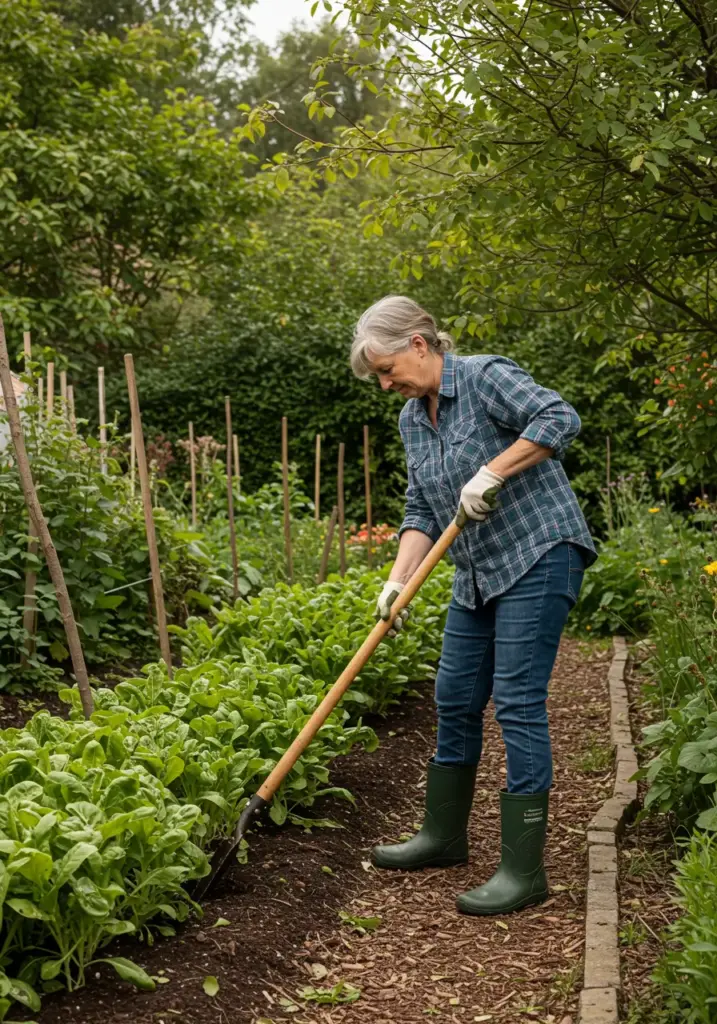
Gardening can add movement and time outdoors to your routine, but repetitive gripping, kneeling, and twisting can also cause strain. Change tasks, take breaks, use a kneeler or stool, keep frequently used tools within reach, and stop if you feel sharp or persistent pain.
Frequently asked questions
Which garden hand tools should a beginner buy first?
Start with a sturdy trowel, bypass pruners, a hand fork, and a weeder matched to your common weeds. Add a cultivator if you maintain bare soil or many containers. This compact kit handles planting, light soil work, weeding, harvesting, and routine pruning.
What is the difference between a hand fork and a cultivator?
A hand fork has stronger tines for penetrating and gently loosening soil, lifting fibrous roots, and mixing small areas. A cultivator usually has curved claws for scratching and leveling the surface. The fork works somewhat deeper; the cultivator is primarily a shallow-maintenance tool.
Are forged tools always worth the extra cost?
They can be worthwhile in compacted, clay-rich, or stony soil, where bending forces are greater. For loose potting mix and light container work, a well-made stamped or alloy tool may be entirely sufficient. Construction, comfort, warranty, and repairability matter more than the word “forged” alone.
How should pruners be cleaned when disease is suspected?
First remove sap and visible debris because dirt can interfere with disinfection. Then use a disinfecting method appropriate to the suspected plant problem and compatible with the tool, following the product label and local extension guidance. Dry the blades and lubricate the pivot afterward if the manufacturer recommends it. Never mix cleaning chemicals.
When should a hand tool be replaced?
Replace or professionally repair a tool when it has a cracked head, badly bent or fractured tines, a handle that cannot be secured, a failed pruner lock, or blade damage that prevents safe adjustment and sharpening. Surface rust and dull edges are often repairable; structural failure is a safety issue.
Build a toolkit around your garden
The most useful garden hand tools are the ones that fit your hand and solve recurring jobs. Begin with a small core collection, then add specialized pieces only when a task repeatedly justifies them. Clean and inspect tools after use, sharpen cutting edges before they become frustratingly dull, and store everything dry. A compact, well-maintained kit will usually outperform a large box of uncomfortable or poorly matched tools.
This post contains affiliate links.
As an Amazon Associate, azuloz.com earns from qualifying purchases.