Why a Green Backsplash Deserves a Spot in Your Kitchen
Green has a unique ability to ground a space. It connects the indoors with the natural world outside. When used as a backsplash, it does more than just protect your walls. It sets the entire mood of the kitchen. Whether you lean toward a soft sage or a dramatic emerald, a green kitchen backsplash offers a surprising amount of versatility. It can make a room feel larger, warmer, or more sophisticated, depending on the shade and style you choose.
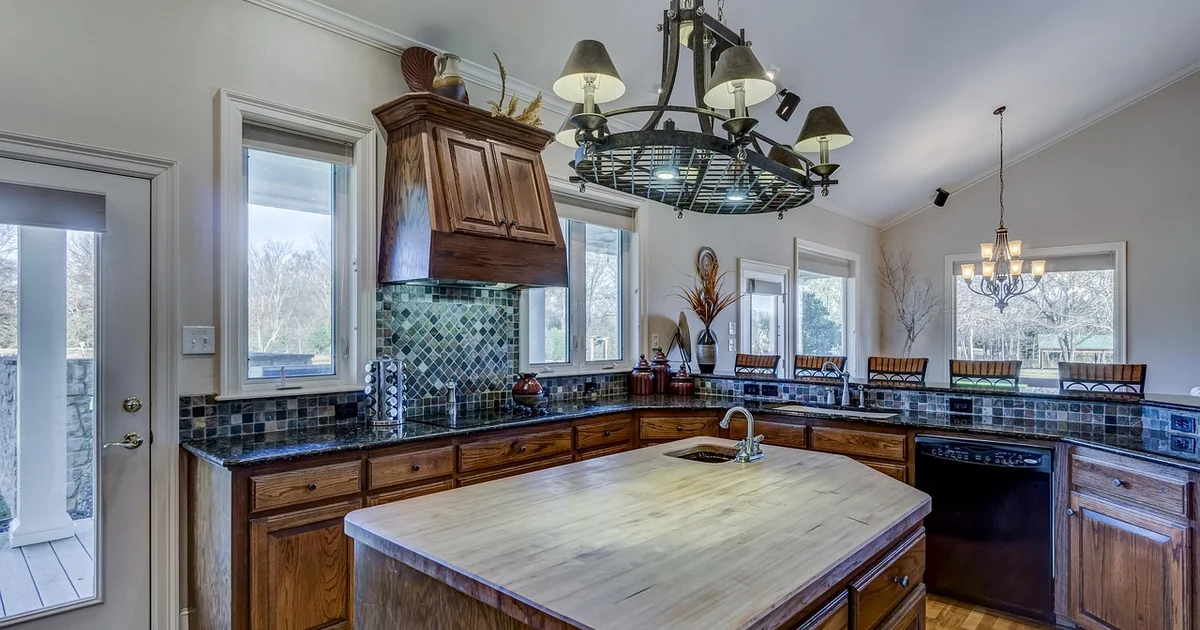
A backsplash must withstand heat, moisture, and grease. Green tiles handle these demands beautifully. They are naturally fire-resistant and easy to wipe clean. Beyond practicality, green offers a psychological benefit. Studies in color psychology suggest that green promotes calmness and balance. In a busy family kitchen, this is a welcome quality. Unlike stark white or cold gray, green introduces life without overwhelming the senses.
Available in every shape and style, green tiles offer endless shades for personalization. You can choose a vibrant Kelly green to brighten a classic all-white kitchen. Or you can opt for a deep teal to suit the unique charm of a midcentury modern home. The color green is a forgiving way to try something bold. It naturally complements wood cabinetry and softens stark modern lines.
Ready to explore the possibilities? Here are seven distinct ways to incorporate a green backsplash into your home. Each idea focuses on a different style, shade, or layout. You will find options for traditional spaces, modern lofts, and cozy cottages alike.
1. Classic Green Subway Tile: A Timeless Choice
Subway tile is a staple for good reason. Its simple rectangular shape fits into almost any design scheme. Choosing a green version instantly upgrades the look. It takes the familiar and makes it fresh. You can install it in a traditional brick pattern or a vertical stack for a taller ceiling illusion.
Glazed green subway tiles are particularly practical behind a stove. They reflect light while hiding minor splatters between cleanings. For budget-conscious homeowners, tile sheets offer an easy DIY route. These mesh-backed sheets speed up installation significantly. They are cost-effective and provide a fresh look without overwhelming your space. If you are cautious about bold colors, this is a safe yet stylish starting point.
2. Vibrant Kelly Green: A Bold Pop of Color
A crisp all-white kitchen can sometimes feel sterile. A vibrant Kelly green backsplash solves this problem instantly. It acts as an energetic focal point. This shade works exceptionally well with brass or gold hardware. The warm metal tones amplify the green richness.
Consider large-format ceramic tiles for this look. Fewer grout lines create a cleaner, more modern appearance. Pair it with leafy green plants or a single piece of green kitchen equipment for a cohesive design. This approach adds vibrancy to a crisp all-white kitchen without requiring a full renovation. It is a statement that feels both playful and intentional.
3. Deep Teal and Textured Squares: Midcentury Modern Charm
Midcentury modern design relies on a connection to nature. A deep teal backsplash honors this principle beautifully. Textured square tiles in a blue-green hue add depth. They catch the light differently throughout the day. This style pairs perfectly with warm wood cabinetry.
The high-gloss finish of the tiles contrasts nicely with matte wood surfaces. It creates a balanced, intentional look. A butcher block countertop would complete this nostalgic yet functional setup. Textured square tiles in a deep blue-green emphasize the kitchen wood tones. Balance the high-gloss tiles with matte surfaces, such as low-shine wooden cabinetry, for a cohesive appearance.
4. Herringbone Layout: Traditional Pattern with a Green Twist
Pattern can be just as important as color. The herringbone layout brings dynamic energy to a kitchen. It is a traditional pattern that feels anything but boring. When executed with slender green tiles, it creates a stunning visual texture. The zigzag motion draws the eye across the room.
Amazon US Verified
Peel and Stick Textured Linen Wallpaper
Removable neutral wall covering providing architectural warmth and tactile depth.
This makes a small kitchen feel wider. It works beautifully in a neutral space. The pattern becomes the main attraction, allowing the rest of the decor to remain simple and clean. Slender green tiles in varying shades provide a vibrant focal point in this neutral space. If you favor traditional style, a herringbone layout can be a refreshing choice over the typical staggered pattern.
5. Graphic and Geometric Tiles: A Playful Modern Touch
For the adventurous homeowner, graphic tiles offer a playful touch. Hexagons, diamonds, or arabesque shapes in green create movement. They turn the backsplash into a piece of art. This style complements modern elements like open shelving and woven pendants.

Amazon US Verified
Hang-O-Matic All-in-One Picture Hanging Tool
Tape measure, sliding level, and markers in one tool for flawless gallery walls.
The geometric symmetry of glass tiles can echo patterns found in furniture and lighting. It creates a subtle harmony throughout the room. Keep the surrounding walls neutral to let the pattern shine. This graphic green backsplash offers a playful, modern touch that complements other contemporary elements. It can transform your kitchen into a more contemporary or traditional space depending on the specific pattern you select.
6. Marble Inlay and Nature-Inspired Designs: Bringing the Outdoors In
Luxury meets nature in a marble backsplash with green inlays. Imagine a soft white marble slab with delicate green leaves carved into it. This transforms a blank wall into a captivating focal point. It brings an organic, artistic feel to the kitchen.
This option is ideal for English country or Italian-inspired styles. It pairs well with ornate cabinetry and classic hardware. The investment is higher, but the result is a one-of-a-kind feature. This marble backsplash, adorned with inlays of green leaves and an Italian-inspired scroll pattern, transforms an otherwise blank space. A green backsplash brings a touch of nature into your kitchen in a very literal way.
You may also enjoy reading: 31 Creative Furniture Ideas for Small Spaces.
7. Ceiling-Height Tile: Old-World Elegance and Drama
Extending your backsplash all the way to the ceiling creates drama. This technique adds old-world charm to both new builds and historic homes. It draws the eye upward, making the ceiling feel higher. Darker green shades in this application create a cozy, intimate atmosphere.
It works especially well in kitchens with low ceilings and elegant cabinetry. The continuous surface is also highly practical. It protects more wall area from grease and steam. Low ceilings and elegant cabinetry impart a classic English country-inspired style. A green tile backsplash enhances luxury while offering practical benefits. Tiles are easy to clean and help reflect light in darker kitchens.
Practical Considerations for Your Green Backsplash
Choosing the right grout is crucial. A contrasting grout (like white or bright cream) will emphasize the tile shape. A matching grout will create a seamless, fluid surface. For a green kitchen backsplash, a soft gray or warm beige grout often works best. It hides dirt well without clashing.
Consider the finish of the tile as well. Glossy tiles reflect light and are easier to clean. Matte tiles hide water spots and offer a more subdued look. Tile sheets remain a cost-effective option. They reduce installation time and waste. If you are cautious about color, start with a small area. A backsplash behind the sink or range is a manageable weekend project.
Think about the scale of your kitchen. Large ceramic tiles bring a bold splash of color and work well in open layouts. Smaller mosaic tiles add texture and are ideal for compact spaces or curved walls. A butler pantry, akin to a powder room, presents a chance for standout decor. The limited space lets you make a big impact without overspending.

Amazon US Verified
Ceramic Fluted Decorative Vase Set
Modern minimalist ceramic vases perfect for shelves, consoles, and dried florals.
Frequently Asked Questions About Green Kitchen Backsplashes
What color grout goes best with a green kitchen backsplash?
Neutral grout colors like warm gray, beige, or off-white are safe choices. They complement green without competing for attention. For a bold look, consider a contrasting white or even a metallic grout. If you want a seamless appearance, choose a grout that closely matches the dominant shade of your tile.
Is a green kitchen backsplash hard to maintain?
Not at all. Glazed ceramic and glass tiles are non-porous. They resist stains and grease. A simple wipe with a damp cloth is usually enough to keep them clean. This makes them a practical choice for busy families.
Can a green backsplash work in a small kitchen?
Yes, absolutely. Lighter shades of green, like sage or mint, can make a small space feel larger and airier. High-gloss tiles also help by reflecting light. A herringbone pattern can draw the eye horizontally, making a narrow kitchen feel wider.
What cabinet colors pair well with a green backsplash?
Green is incredibly versatile. It pairs beautifully with white, cream, warm wood, and even dark navy cabinets. The key is to coordinate the undertones. A cool green works well with gray or white cabinets. A warm green complements wood tones and cream finishes.
Are tile sheets a good option for a DIY green backsplash?
Tile sheets are excellent for DIY projects. They ensure consistent spacing and speed up the installation process significantly. They are also budget-friendly. This makes them a popular choice for homeowners looking to update their kitchen without hiring a professional.
A green backsplash is more than a trend. It is a functional design element that brings warmth and personality to your kitchen. Whether you choose a classic subway tile or a dramatic ceiling-height installation, the right shade of green will make your kitchen feel both stylish and welcoming.
As an Amazon Associate, azuloz.com earns from qualifying purchases.