Decoding the “Shocked” Reaction: Why Noah Lyles’ Wedding First Look Went Viral
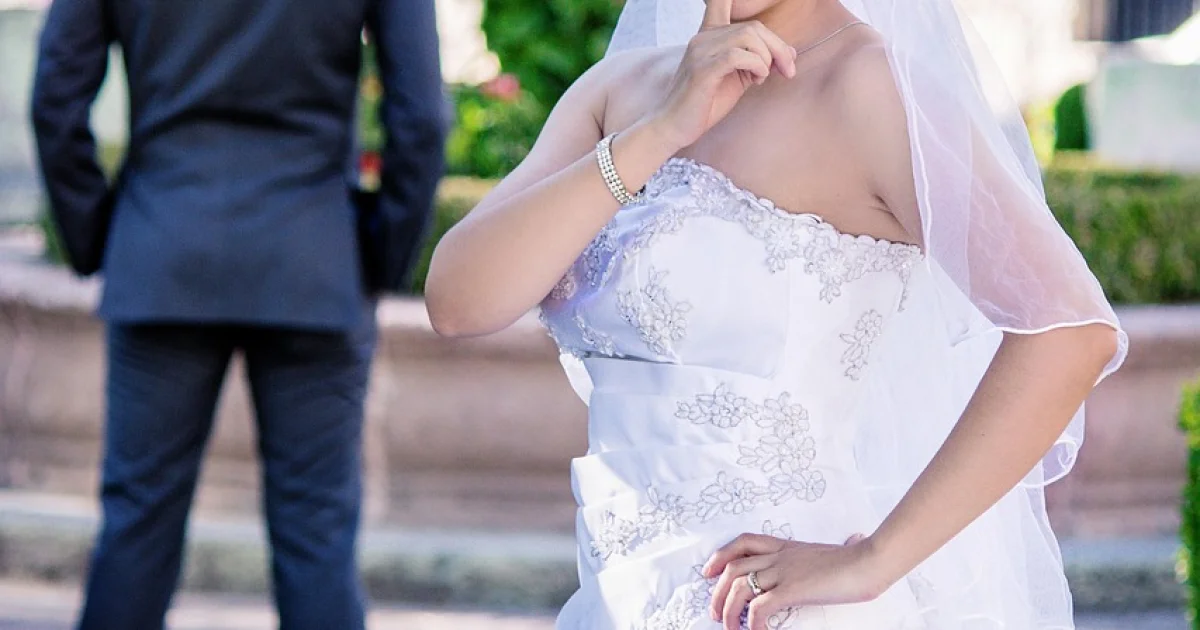
Despite being off-season for track and field, the couple’s wedding, captured by the same photographer who documented Simone Biles’ marriage, became an instant sensation—primarily due to Noah’s understated response. The clip sparked a fierce debate, with some criticizing his perceived lack of enthusiasm, while others defended his reaction as a genuine display of awe and happiness. This seemingly simple moment quickly transcended the boundaries of a wedding first look, revealing a fascinating intersection of celebrity culture, social media trends, and the subjective nature of interpretation. Let’s delve deeper into this unexpected online drama, examining the nuances of Noah’s reaction and the wider context surrounding this viral moment.
5 Reasons Noah Lyles’ Wedding Dress Reaction Became a Global Conversation
- The Power of a Viral First Look: The very nature of a wedding first look is inherently vulnerable. It’s a moment of raw emotion, a quiet reveal, and a personal connection between two individuals. When that moment is captured on video and shared publicly, it becomes a lightning rod for interpretation. The video of Noah’s reaction immediately captivated viewers, triggering a chain reaction of comments, memes, and discussions. It’s a prime example of how a single, unscripted moment can instantly become a global phenomenon, amplified by the reach of social media. The fact that this was shared by a professional photographer, known for documenting celebrity weddings, only added to its reach. Wedding photography, in general, is a popular subject on Instagram, and the addition of a recognizable name like Simone Biles’ wedding photographer immediately broadened the potential audience.
- The Unexpectedness of the Reaction: It’s crucial to understand that Noah’s reaction wasn’t overtly negative. His simple, “Oh, wow. Okay,” wasn’t a scathing critique or a dismissive shrug. It was a momentary pause, a brief moment of stunned appreciation. This unexpectedness is precisely what fueled the controversy. People are accustomed to seeing elaborate, demonstrative reactions in viral videos—exaggerated gasps, tears of joy, enthusiastic applause. Noah’s reaction defied these expectations, leading some to interpret it as a sign of disinterest or even disapproval. However, as many commenters pointed out, his smile was genuine, and his response perfectly captured the feeling of being overwhelmed by beauty. It’s a testament to the power of nonverbal communication; sometimes, the most profound emotions are expressed without a single word.
- Social Media Interpretation and the Echo Chamber: Social media platforms are notorious for creating echo chambers, where users are primarily exposed to opinions that align with their own. The initial criticism of Noah’s reaction quickly gained traction, fueled by algorithms that prioritize engagement – and negative comments often generate more engagement than positive ones. People were quick to project their own biases and assumptions onto the situation, interpreting Noah’s silence as a rejection of Junelle’s dress or even of their relationship. It’s important to recognize that online judgments are rarely objective; they’re often shaped by pre-existing beliefs and a desire to participate in a collective narrative. Furthermore, the sheer volume of comments – over 1.6 million on Junelle’s response – amplified the debate, creating a sense of urgency and fueling the controversy. The platform’s design incentivized outrage, transforming a simple first look into a full-blown online argument.
- The Bride’s Response and the Reclaiming of the Narrative: Junelle Bromfield didn’t let the internet’s criticism go unanswered. She responded to the online backlash with a more pointed message: HD footage of her and Noah’s first look, accompanied by the caption, “Moral of the story. Mind [your] business.” This assertive response immediately shifted the conversation. Junelle effectively reclaimed the narrative, asserting her agency and dismissing the unsolicited opinions of strangers. She highlighted the fact that the couple’s feelings were what mattered most, effectively silencing the critics who were fixated on a superficial interpretation of a deeply personal moment. The dramatic increase in views on her reply further underscored the power of her rebuttal. It demonstrated a savvy understanding of social media dynamics and a willingness to engage directly with her audience.
- Wedding Planning Challenges and the Pressure of Performance: Beyond the viral reaction, there’s an underlying layer of complexity to consider: the pressures and challenges inherent in wedding planning. Noah, a high-profile athlete, was likely navigating a multitude of logistical considerations leading up to the wedding. As he himself acknowledged, he was simply trying to ensure that everything ran smoothly for Junelle, focusing on details like the gown’s train and movement. The intense scrutiny of the internet added an extra layer of pressure, transforming a private moment into a public performance. Furthermore, the visa issues that prevented some of Junelle’s family from attending the wedding highlighted the significant personal sacrifices involved in the marriage—a detail often overshadowed by the online drama. These challenges, combined with the pressure of presenting a perfect wedding day, undoubtedly contributed to the overall atmosphere and, ultimately, to Noah’s reaction.
Reader Scenarios: How This Reaction Plays Out in Different Relationships
Let’s explore how this situation might play out in different relationship scenarios. Imagine a reader named Sarah who is planning her own wedding and is deeply concerned about how her fiancé, David, might react to the dress. She’s worried that he’ll offer a similarly understated response to the photographer, leading to a similar wave of online criticism. It’s a valid concern – the fear of judgment and the desire for validation are universal. Sarah could address this by openly communicating her expectations with David, expressing her desire for a heartfelt and demonstrative reaction, and reassuring him that his genuine feelings are what truly matter. Alternatively, she could embrace the unexpectedness of the moment, accepting that a simple “wow” is perfectly acceptable.
Another reader, Mark, frequently analyzes celebrity reactions online, dissecting every gesture and facial expression. He’s a keen observer of human behavior and enjoys interpreting the nuances of public displays of emotion. For Mark, Noah’s reaction is a fascinating case study in body language and social cues. He might analyze the subtle micro-expressions on Noah’s face, attempting to decipher the true meaning behind his silence. However, Mark’s analytical approach risks missing the point – that the reaction is ultimately subjective and open to interpretation. It’s a reminder that online judgments are rarely accurate and that it’s important to avoid projecting our own biases onto others.
Finally, consider a wedding planner, Emily, who is working with a demanding client, Mr. Henderson, who insists on a specific reaction from his partner during the first look. Mr. Henderson envisions a dramatic outpouring of emotion – tears, gasps, and enthusiastic applause. Emily faces a significant challenge: balancing her client’s desires with the couple’s genuine feelings. To navigate this situation, Emily could have a frank conversation with Mr. Henderson, explaining the potential for negative feedback and emphasizing the importance of authenticity. She could also subtly guide the couple towards a more natural and comfortable reaction, encouraging them to simply enjoy the moment together. This scenario highlights the ethical responsibilities of wedding professionals – the need to prioritize the couple’s happiness over the demands of a client.
Reader Questions: Decoding the Subtleties of Reaction
Let’s tackle some common questions surrounding this reaction. What if the photographer hadn’t shared the video? Without the viral video, Noah’s reaction would likely have remained a private moment, confined to the space between the couple. It’s entirely possible that the controversy wouldn’t have arisen, and the reaction would have faded into obscurity. The internet’s tendency to amplify and disseminate information means that even the most mundane moments can quickly gain traction if captured on camera and shared online.
How do you determine whether a reaction is genuinely surprised or simply polite? This is a surprisingly complex question. Body language can be misleading, and people often use polite expressions to mask their true emotions. However, in the context of a wedding, it’s reasonable to assume that a genuine reaction – whether it’s a gasp of surprise, a smile of delight, or a moment of stunned appreciation – is more likely than a carefully crafted performance. Observing the overall context – the couple’s relationship, their shared history, and their individual personalities – can provide valuable clues. A genuine smile, a widening of the eyes, or a slight pause in speech are all indicators of genuine surprise.
You may also enjoy reading: 9 Chic Upper East Siders' Must-Have Trends to Wear This Summer.
Why do people feel the need to comment on others’ reactions to something as personal as a wedding dress? This question speaks to a deeper human tendency – the desire to insert ourselves into other people’s lives and to offer our opinions on matters that don’t directly concern us. Social media provides a platform for this impulse, allowing individuals to express their judgments and criticisms with relative anonymity. Moreover, the internet fosters a culture of comparison and competition, where people often measure their own lives against the perceived perfection of others. In the case of a wedding dress, the dress itself becomes a symbol of status, beauty, and personal expression, triggering a range of emotions and judgments. Ultimately, the online commentary reflects a broader societal tendency to scrutinize and critique the lives of others, often with little regard for the privacy or feelings of those involved.
Related Concepts: Beyond the Viral Moment
The Noah Lyles and Junelle Bromfield reaction has sparked a wider conversation about celebrity wedding appearances. The intense scrutiny of these events highlights the public’s fascination with the personal lives of famous individuals. It’s a reminder that even seemingly private moments can quickly become fodder for gossip and speculation. The trend of sharing wedding footage on social media is also noteworthy, demonstrating the growing influence of online platforms on the celebration of love and commitment. Furthermore, the nuances of body language interpretation in public settings are relevant to this discussion. Observing nonverbal cues – facial expressions, gestures, and posture – can provide valuable insights into a person’s emotional state, but it’s important to avoid making assumptions based solely on these cues.
The first impressions and expectations in relationships also play a role in understanding this reaction. Noah and Junelle’s relationship has been built over four years, and their initial encounter likely shaped their expectations of each other. Noah’s reaction reflects his established understanding of Junelle’s personality and his appreciation for her beauty. It’s a testament to the depth of their connection – a connection that transcends the superficial judgments of the internet.
Finally, it’s worth considering the wedding photography styles and techniques that were employed in capturing this moment. The photographer’s choice to share the video publicly – and at a specific moment – undoubtedly contributed to the reaction’s virality. Wedding photography has evolved significantly in recent years, with a focus on capturing candid moments and authentic emotions. The success of this video demonstrates the power of capturing genuine reactions – even if those reactions are unexpected or unconventional.