The arrival of May signals a wonderful time for gardeners, a period of renewed life and vibrant color. While many focus on planting and tending to annuals, there’s a crucial task often overlooked: pruning spring-flowering shrubs. This seemingly simple act can significantly impact the beauty and abundance of blooms in the coming year. Pruning spring flowering shrubs correctly is key to ensuring a spectacular floral display. You just need to be brave! This guide will walk you through the essential steps for pruning several popular varieties, helping you encourage a healthy, well-shaped shrub bursting with flowers.
When Should I Prune Spring-Flowering Shrubs?
The timing of pruning pruning spring flowering shrubs is vital for maximizing their next season’s floral output. Most deciduous spring-flowering shrubs complete their blooming cycle in late spring, although this can vary depending on your specific USDA plant hardiness zone. For most regions, this timeframe falls squarely within May. However, gardeners in colder zones might find the ideal window extends into early June. It’s always a good idea to check the specific blooming habits of your plants. Before you begin any pruning, a quick check for nesting birds is essential. Wait until any fledglings have left the nest to avoid disturbing them.
What Shrubs Should I Prune in May?
1. Forsythia
The brilliant, almost electric yellow flowers of Forsythia are a welcome sight as spring arrives. Once the initial burst of color fades, it’s time for a trim. Begin by removing any stems that are dead, diseased, or damaged. This will improve the overall health of the shrub and prevent the spread of any potential problems. Next, select one in five of the oldest stems at the base of the plant and remove them completely. This might seem drastic, but it encourages the growth of new, vigorous stems. For the remaining stems, shorten them by up to half their length, cutting just above a strong, young shoot. Avoid leaving stubby ends, as these can invite disease. With this technique, you’ll have a well-shaped shrub densely covered in flowers both at the top and around the base next spring.
2. Mock Orange (Philadelphus)
Mock Orange (Philadelphus) is renowned for its intensely fragrant, white flowers that perfume the air in early summer. While not strictly necessary to prune every year, a light pruning in May can keep your Mock Orange healthy and encourage abundant blooms in the future. This shrub benefits from a bit of shaping. Remove up to one-third of the stem length overall. Philadelphus is a relatively fast grower, often adding around 2 feet of growth per year. Consider your desired size when determining how much to remove. Aim to cut just above a strong, outward-facing shoot; this directs new growth outwards, creating a more pleasing shape. Additionally, thin out the center of the shrub by removing a few stems at ground level, eliminating up to one-fifth of the oldest and thickest growth. This improves air circulation within the plant, reducing the risk of fungal diseases and preventing the central stems from becoming overcrowded and unproductive.
3. Japanese Kerria
The vibrant, egg-yolk yellow flowers of Japanese Kerria (Kerria japonica) are a cheerful addition to the spring garden. To ensure a spectacular floral display the following year, it’s important to prune this shrub correctly. A straightforward approach is to remove one in three of the oldest stems at ground level. Begin by addressing any dead, diseased, or damaged stems. Then, focus on the oldest canes, as these are often less productive. Removing these encourages new, vigorous shoots to emerge, which will bear the most flowers next spring. Don’t worry about being too severe; Kerria is a resilient shrub. You can also shorten the remaining stems by about two-thirds, making your shrub more manageable and promoting bushier growth. Remember to select a side shoot that faces outwards; this will help the shrub maintain a balanced form.
4. Weigela
Weigela shrubs are prized for their profuse displays of blooms in late spring and early summer. Pruning in May helps to maintain their shape and encourage further flowering. The goal is to reduce the overall size while promoting new growth. Reduce the length of all the stems by up to half. For a more significant rejuvenation, you can cut about a fifth of the oldest stems down to ground level. This encourages vigorous new growth from the base. When pruning, look for stems that have produced fewer flowers or are becoming overly dense. Select new shoots that are growing outwards to maintain an open and airy structure. This will ensure a beautiful and abundant show of flowers next year. Pruning spring flowering shrubs like Weigela is a relatively easy task, and the results are well worth the effort.
5. Spirea
Spirea shrubs offer a wide range of bloom colors and forms, making them popular choices for many gardens. Most varieties bloom on old wood, meaning they flower on the stems produced the previous year. Therefore, pruning should be done immediately after the spring flowers have faded. Remove spent flower heads to encourage further blooming in some varieties. For overall shaping and to promote bushier growth, you can cut back the stems by about one-third. Avoid heavy pruning, as this can reduce the number of flowers. Remove any dead, diseased, or crossing branches to improve air circulation and overall plant health. This simple pruning technique will result in a fuller, more floriferous Spirea shrub in the spring.
You may also enjoy reading: 7 Dreamy Color Planting Palettes to Transform Your Modern Garden into a Vibrant Oasis.
6. Lilac (Syringa)
Lilacs are beloved for their fragrant, cone-shaped clusters of flowers, a quintessential sign of spring. These shrubs bloom on old wood, so the timing of pruning is crucial. Prune Lilacs immediately after they finish flowering in late spring. Remove any dead, damaged, or diseased branches first. Then, cut away up to one-third of the oldest stems at the base of the shrub. This encourages new growth from the base, which will produce flowers the following year. Avoid heavy pruning, as this can significantly reduce flowering. The goal is to maintain the shrub’s shape and promote healthy new growth. Remember that Lilacs can become quite large, so pruning helps to keep them at a manageable size.
7. Rhododendron and Azalea
Rhododendrons and Azaleas are renowned for their stunning spring blooms, adding vibrant color to gardens. These shrubs also bloom on old wood, requiring careful pruning. The best time to prune Rhododendrons and Azaleas is immediately after they finish flowering. Remove any dead, damaged, or crossing branches. Light pruning can help to maintain their shape and encourage new growth. You can also remove any spent flower heads to tidy up the plant. Avoid heavy pruning, as this can delay or reduce flowering. The key is to provide good air circulation within the shrub and maintain a natural, rounded form. Pruning spring flowering shrubs like these with a light hand will ensure a spectacular floral display for years to come.
General Tips for Pruning Spring-Flowering Shrubs
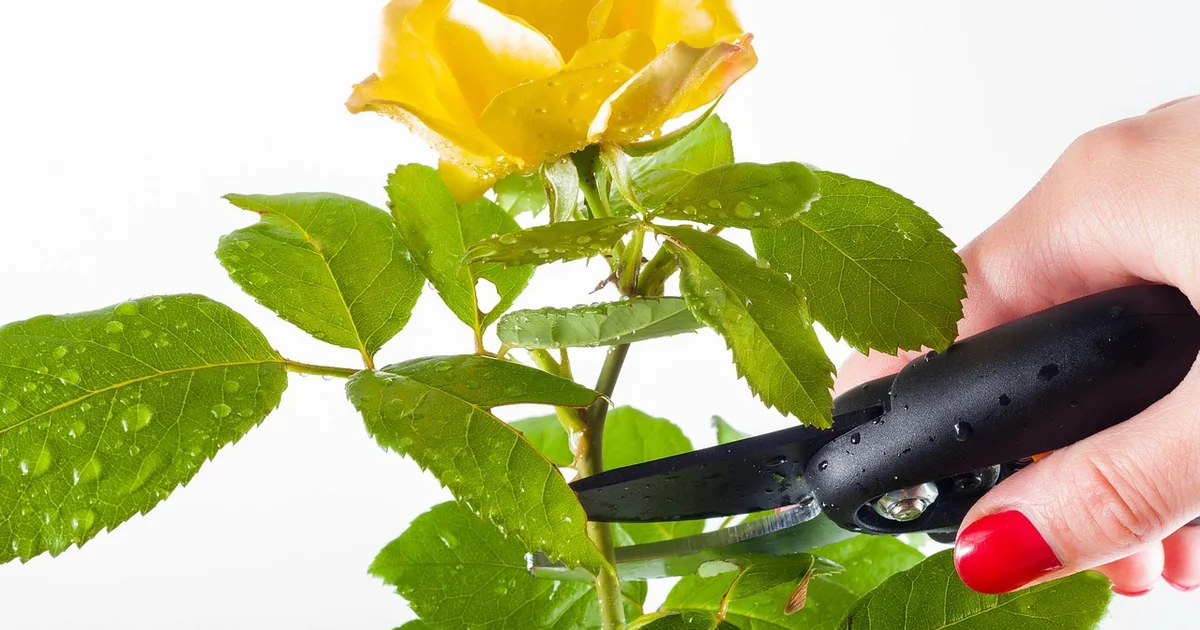
While the specific pruning techniques vary slightly depending on the shrub, there are some general guidelines to keep in mind. Always use sharp, clean pruning shears to make clean cuts. Avoid tearing or ripping the stems, as this can create entry points for disease. When removing larger branches, make cuts just above a bud or a side shoot, angled slightly away from the bud. This directs new growth in the desired direction. Don’t be afraid to prune – most spring-flowering shrubs are quite forgiving, and a little pruning can go a long way in promoting healthy growth and abundant blooms. Remember to observe your shrubs regularly and adjust your pruning accordingly. With a little care and attention, you can enjoy a stunning display of flowers each spring.
Pruning pruning spring flowering shrubs is a rewarding task that contributes significantly to the beauty of your garden. By understanding the specific needs of each shrub and following these guidelines, you can ensure a vibrant and flourishing landscape year after year.