While a burst of crimson roses or a drift of blue hydrangeas can steal the show for a week or two, the true backbone of any memorable garden is its foliage. Leaves provide structure, texture, and color day after day, season after season. For those looking to inject a sense of perpetual warmth and light into their outdoor spaces, turning to plants with golden foliage is a brilliant strategy. These radiant selections act like permanent spotlights, illuminating shadowy corners and creating vibrant contrasts even when flowers are absent.
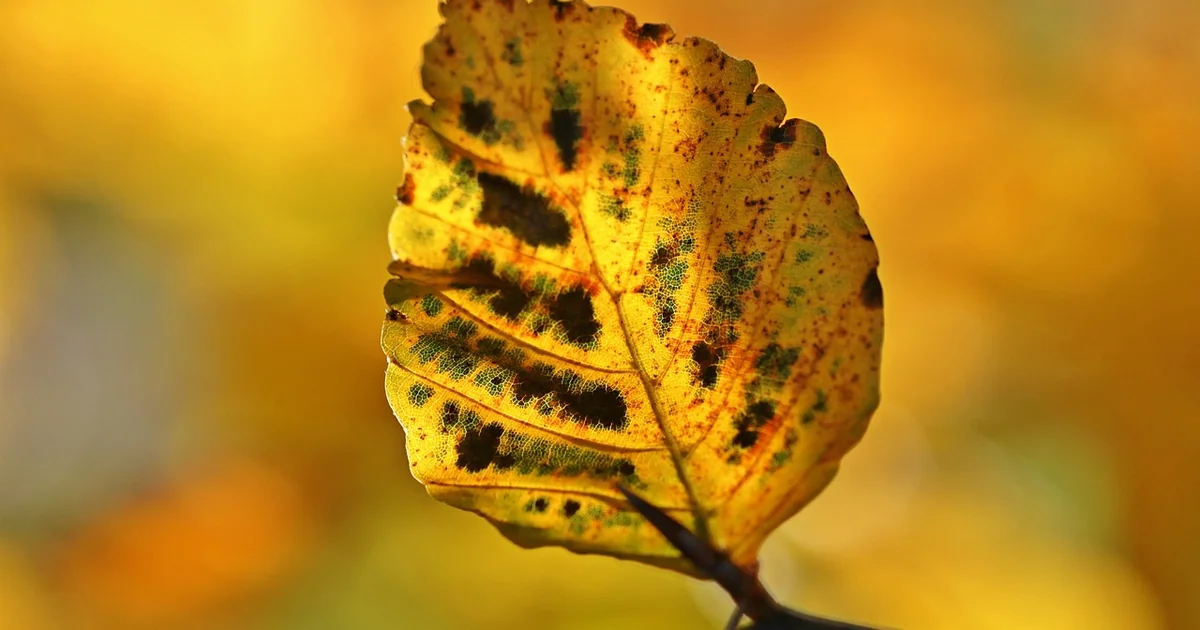
Incorporating plants with yellow, chartreuse, or gold-toned leaves solves several common garden dilemmas. Many landscapes can feel flat or monotonous, especially in mid-summer when early blooms have faded and late-season flowers haven’t yet arrived. Golden foliage acts as a constant accent, preventing these visual lulls. Another frequent challenge is lighting up dark areas under trees or along north-facing walls. The luminous quality of these leaves can make a shady bed feel inviting rather than gloomy. Furthermore, gardens dominated by deep greens and blues can benefit from the warm contrast provided by a splash of gold, creating a more dynamic and visually engaging composition.
The solution is straightforward: intentionally weave these radiant plants into your existing plans. Think of them not as the main feature, but as essential supporting actors. Use them as edging along a path to guide the eye, plant them in front of darker shrubs to create depth, or let a golden groundcover sprawl beneath a canopy of deep green leaves. Their primary job is to provide year-round interest and light, a function that flowers simply cannot fulfill.
9 Standout Golden Foliage Plants for Every Garden
From compact groundcovers to substantial shrubs, there is a golden-leaved plant suitable for nearly any situation. The following nine selections offer a mix of heights, textures, and growing requirements, ensuring you can find the perfect fit for your specific garden conditions and design goals.
‘Gold Splash’ Wintercreeper
This versatile shrub offers a striking mosaic of deep green and bright gold on its variegated leaves. It’s remarkably adaptable, thriving in everything from partial sun to full sunlight, provided the soil drains well. It dislikes soggy conditions but handles drought, poor soil, and even urban pollution with resilience. A study of urban landscaping published in 2021 noted that certain Euonymus cultivars showed a 37% higher survival rate in challenging city environments compared to other ornamental shrubs. Its dense, bushy form grows about two feet in both height and width, making it ideal for low hedges, foundation planting, or as a vibrant filler in mixed borders. It is hardy from zones 5 through 8.
‘Little Honey’ Oakleaf Hydrangea
While most hydrangeas are celebrated for their blooms, this cultivar earns its fame through a spectacular foliage display. The leaves emerge a soft, buttery gold in spring, mature to a lively chartreuse in summer, and then transform into shades of burnt orange and ruby red in autumn. The seasonal progression provides three distinct acts of color in your garden. It prefers a location with morning sun and afternoon shade, or dappled light throughout the day, in moist but well-drained earth. Reaching three to four feet tall, it works beautifully as a mid-border specimen or as a focal point near a patio or seating area. It grows well in zones 4 to 9.
‘White Gold’ Bleeding Heart
For shaded gardens craving a touch of brilliance, this perennial is a perfect choice. Its fern-like foliage is a soft, glowing gold, creating a luminous effect even in low light. In spring, it produces arching stems lined with pure white, heart-shaped flowers that dance above the foliage. Another excellent variety, ‘Gold Heart’, offers the same golden leaves but with traditional pink blooms. Plant it in part to full shade with consistent moisture. It grows about eighteen to twenty-four inches tall and spreads to fill a two to three foot area, making it excellent for woodland gardens or shaded beds. It is hardy across a wide range, from zones 3 to 9.
‘Aurea’ Hakone Grass
Shady spots often lack movement and texture. This award-winning Japanese grass solves both problems with its gracefully arching, golden-yellow blades. The foliage has a delicate, almost cascading habit that brings a sense of flow and softness to the garden. It performs best in part shade with protection from hot afternoon sun, and it requires soil that remains evenly moist but never waterlogged. It grows slowly to about twelve to eighteen inches tall, forming a elegant clump. Use it to edge a shady pathway, soften the base of a retaining wall, or add a light-catching element to a fern garden. It is suitable for zones 5 through 9.
‘Ball Gown’ Coral Bells
The world of coral bells boasts countless varieties with golden and chartreuse leaves, but this particular cultivar stands out for its form. The leaves are deeply ruffled and stack upon one another to create a low, densely mounding shape that resembles its namesake. The effect is both textural and colorful. It thrives in part to full shade and requires excellent drainage to prevent crown rot. With a height and spread of about two to three feet, it makes a magnificent front-of-the-border plant or a container specimen. Its vibrant presence lasts from spring until fall. It is reliable in zones 4 to 9.
‘Aurea Variegata’ Sweet Iris
This plant offers a dramatic vertical element with its sword-like leaves striped in creamy gold and green. When backlit by sun, the foliage truly appears to glow from within. Beyond its stellar leaves, it produces classic, fragrant purple flowers in late spring. It grows best in part to full sun and appreciates rich, moist soil during its growing season. Reaching about two feet tall, its strong upright form makes it invaluable for creating contrast against mounding or spreading plants. Plant it in groups of three or five for a striking architectural statement. It is hardy in zones 4 through 9.
‘Key Lime’ Lamb’s Ear
A familiar favorite in silver form, lamb’s ear now appears in a refreshing golden-chartreuse hue. The leaves retain the famously soft, velvety texture that makes them so tactile and appealing. This low-growing perennial forms a dense mat that works wonderfully as a groundcover or edging plant. It prefers full sun to partial shade and well-drained soil. It grows about eight to ten inches tall and can spread to cover a significant area. Its fuzzy leaves provide a wonderful textural contrast to smoother foliage nearby. It is hardy from zones 4 to 9.
‘Time in a Bottle’ Hosta
Among the vast hosta family, this cultivar shines with its bright yellow leaves that feature gracefully wavy margins. As the season progresses, the color deepens to a rich chartreuse. The leaf texture and color combine to add both visual interest and a pop of light to shady areas. It performs best in part to full shade and requires consistent moisture. Growing about twelve inches tall and spreading wider, it is perfect for lighting up the foreground of a shade bed, planting beneath deciduous trees, or adding color to a rock garden in filtered light. It thrives in zones 3 to 9.
‘Cordial Canary’ Ajuga
For a groundcover that delivers near-neon impact, look to this vibrant ajuga. Its foliage is an electric green-gold that seems to brighten any space it occupies. In spring, it sends up short spikes of purple flowers, creating a delightful contrast. It spreads quickly by runners to form a dense carpet that can even tolerate occasional light foot traffic. It grows well in part shade to full sun and adapts to various soil types, though it prefers moderate moisture. It’s an excellent choice for rapidly filling in slopes, covering bare patches under shrubs, or creating a vibrant border along a walkway. It is hardy in zones 4 to 9.
Caring for Your Golden Foliage Plants
While these plants are chosen for their robustness, understanding a few key principles will help them perform at their brightest. Most golden-leaved varieties contain less chlorophyll than their deep green counterparts, which can sometimes make them slightly more sensitive to intense, scorching sunlight. Observing the recommended light conditions—often part sun or shade for many—is crucial to prevent leaf scorch. Ensuring good drainage is another universal need, as soggy soil can lead to root rot, especially in plants like coral bells and wintercreeper. A simple rule is to amend planting areas with compost to improve soil structure and moisture retention without waterlogging.
You may also enjoy reading: Ways to Grow a Garden Inspired by Your Favorite Decade.
For nutrition, a balanced, slow-release fertilizer applied in early spring is generally sufficient. Avoid over-fertilizing, which can push excessive green growth and dilute the golden coloration. Finally, appreciate that the gold tone in some plants, like the oakleaf hydrangea or certain hostas, may change subtly with the seasons. This is a feature, not a flaw, adding another layer of interest to your garden’s yearly narrative.
Design Ideas Using Golden Leaf Plants
Think of these radiant plants as tools for painting with light in your garden. One effective technique is to use them as “edgers” along pathways or the front of beds. The luminous line they create guides the eye and makes the entire space feel more intentional. Another approach is to pair them with deep, cool-colored foliage. Planting a golden hosta behind a clump of blue-green ferns, or letting a chartreuse ajuga sprawl in front of a dark green yew, creates a contrast that is both striking and harmonious.
For container gardens, a golden-leaved plant can serve as the “spark” in a composition. Combine a pot of ‘Ball Gown’ coral bells with a trailing purple vinca and a spiky blue grass for a portable display that catches the eye from every angle. In shady courtyards or under tree canopies, grouping several golden foliage plants together—like Hakone grass, golden bleeding heart, and a yellow hosta—can transform a dark area into a destination that feels intentionally bright and welcoming.
Common Questions About Golden Foliage Plants
Do golden leaf plants need more sun than green plants?
Not necessarily. In fact, many golden and chartreuse varieties, particularly those native to woodland settings like hostas and Hakone grass, actually prefer partial shade. The intense pigments can sometimes be more susceptible to scorching in full, hot afternoon sun. It’s best to follow the specific light recommendations for each cultivar.
Will the gold color fade over the season?
Some change is natural and part of the plant’s charm. For instance, ‘Little Honey’ oakleaf hydrangea intentionally shifts from gold to chartreuse to autumn red. However, if a plant that should remain gold suddenly turns mostly green, it might be getting too much nitrogen from fertilizer or be planted in overly rich soil. Adjusting your feeding regimen can often restore the vibrant color.
Can I use golden plants in a full-sun, hot garden?
Absolutely. Several selections, like ‘Gold Splash’ wintercreeper, ‘Aurea Variegata’ sweet iris, and ‘Key Lime’ lamb’s ear, are quite sun-tolerant. The key is to ensure they have adequate moisture and well-drained soil to thrive in those warmer conditions.
Are golden foliage plants harder to grow?
Generally, no. The plants listed here are chosen for their garden reliability and performance. Their care requirements are typically very similar to their standard green-leafed relatives. The main difference is often just their spectacular color.
How do I prevent golden groundcovers from becoming invasive?
Vigorous spreaders like ‘Cordial Canary’ ajuga are wonderful for filling space, but they can encroach on neighboring plants. Simply define their territory by planting them within a bordered area, such as between a path and a sidewalk, or use edging materials. Regular trimming of the outer edges in spring can also keep them neatly contained.
Integrating these radiant specimens into your landscape is an investment in lasting beauty. They provide a constant source of light and warmth, turning any garden into a more vibrant, engaging, and thoughtfully composed space throughout the entire growing year.