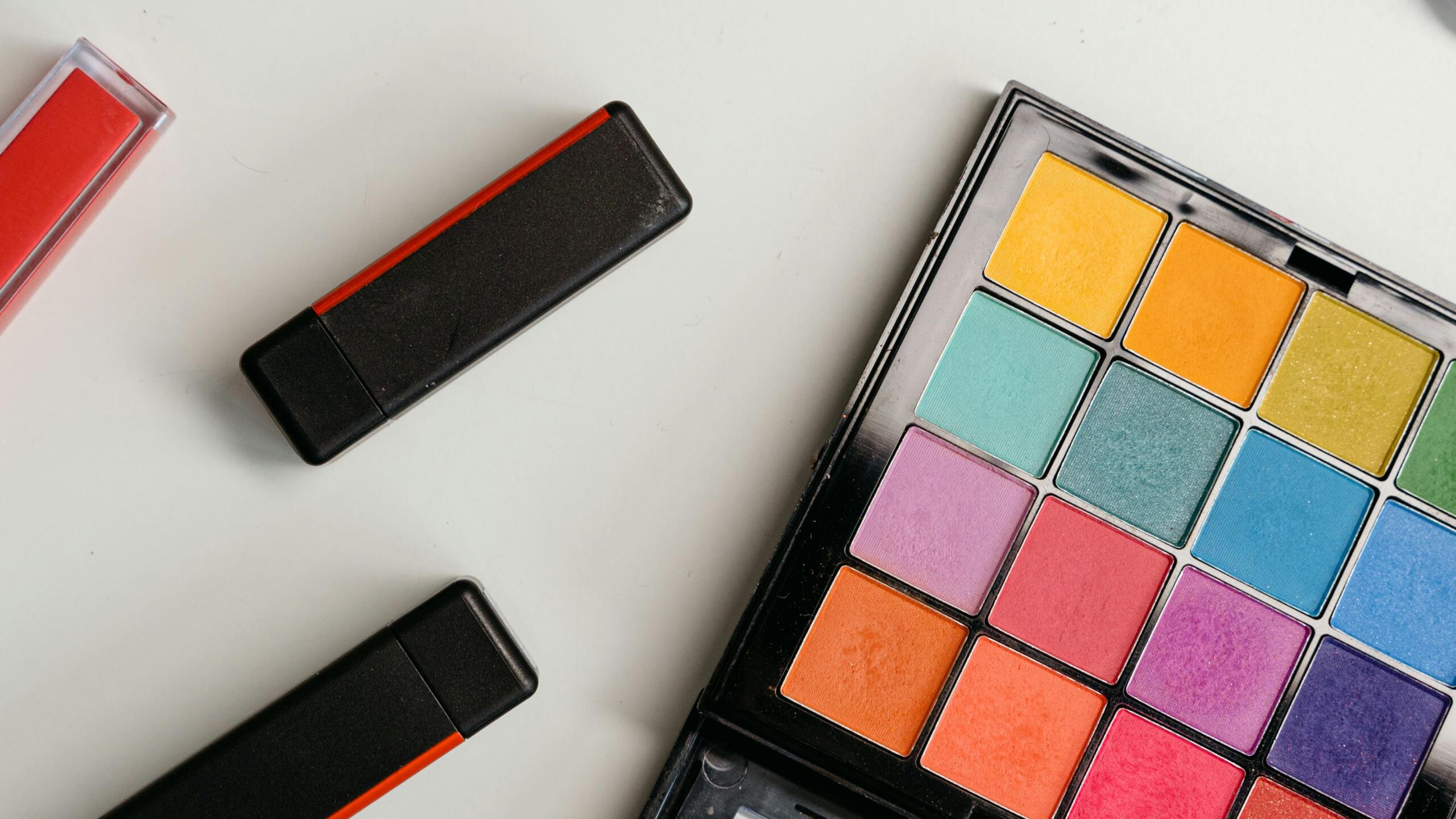
Direct Answer: Color correcting uses color theory to neutralize skin discolorations. For example, green corrects redness, yellow neutralizes purple under-eye circles, and orange counters blue tones on deeper skin. This color corrector guide from Maybelline provides step-by-step instructions: apply primer, then corrector, foundation, concealer, and set.
Amazon US Verified
CeraVe Hydrating Facial Cleanser
Non-foaming lotion with hyaluronic acid and ceramides that cleanses without stripping.
Color correcting is a makeup technique that uses opposite colors on the color wheel to disguise areas of discoloration. Understanding these principles is key to achieving a flawless complexion. This guide will walk you through the process, demystifying color correcting for beginners with insights from Maybelline New York.
Transition to Next: Understand the color wheel basics to choose your corrector.
What Is Color Correcting? How Does It Work?
Now that you know what color correcting is, let’s explore how it works. Color correcting in makeup uses color to disguise areas of discoloration, a technique as recommended by Maybelline New York. It relies on the fundamental principles of the color wheel. Essentially, you use the opposite color on the wheel to neutralize a specific discoloration.
The rule of thumb for color corrector shade is to use the opposite color on the color wheel, as stated by Maybelline New York. This means that warm tones (like redness) are neutralized by cool tones (like green), and cool tones (like blue or purple) are neutralized by warm tones (like yellow or orange). It’s important to remember that color corrector is not concealer; concealer matches skin, while color corrector is the opposite color, as stated by Maybelline New York. When applied correctly, the corrector cancels out the unwanted hue, allowing your foundation and concealer to blend seamlessly.
Transition to Next: Learn which corrector to choose based on your skin concern.
How to Choose the Right Color Corrector for Your Skin Concern
With the basics down, you’re ready to explore specific corrector choices. Choosing the correct color corrector depends on the type of discoloration you want to address. Maybelline New York offers a range of shades designed to target common concerns, from redness to dark circles.
| Skin Concern/Discoloration | Recommended Color Corrector | Explanation | Skin Tone Applicability |
|---|---|---|---|
| Redness | Green | Green color corrector cancels out redness for light to deep skin tones, as stated by Maybelline New York. Green-tinted soothing creams help disguise redness caused by irritation and sensitivity. | Light to Deep |
| Purple/Blue Under-Eye Circles | Yellow | Yellow color corrector neutralizes purple or blue discoloration, as stated by Maybelline New York. A yellow color corrector counteracts purple under-eye circles. | Light to Medium |
| Blue/Bruised Under-Eye Circles | Orange | Orange color correctors are ideal for medium to deep skin tones, as stated by Maybelline New York. Orange color corrector targets blue tones in dark undereye circles. | Medium to Deep |
| Dullness/Sallowness | Purple (Lavender) | Purple color corrector is used for dull or sallow skin with a yellow tone, as stated by Maybelline New York. It brightens the complexion by neutralizing yellow undertones. | All skin tones, especially fair |
| Hyperpigmentation/Patchiness | Blue | Blue color corrector balances out orange discoloration common for warmer skin tones, as stated by Maybelline New York. Blue color corrector helps with hyperpigmentation to counteract patchiness. | Medium to Deep |
| Brightening/Dark Circles | Pink | Pink color corrector like Instant Age Rewind Eraser in Pink brightens complexion on all skin tones, as stated by Maybelline New York. It can help camouflage dark circles on fairer skin tones and brighten dull areas. | All skin tones, especially fair |
Fairer skin and deeper skin may benefit from different color corrector shades, as stated by Maybelline New York. For instance, while yellow corrects purple under-eye circles on fair skin, orange is more effective for deeper skin tones.
Transition to Next: Now learn the correct order to apply these products.
Step-by-Step Color Corrector Application Routine
Refer to the table for choosing colors, then follow these steps for a flawless application. Mastering the order of application is crucial for effective color correcting. Maybelline New York recommends a specific sequence to ensure your corrected complexion looks smooth and natural.
- Apply Primer: After your skincare routine and giving any moisturizer or sunscreen time to soak in, apply a primer. This creates a smooth canvas for the rest of your makeup.
- Apply Color Corrector: Color correctors are applied only to key areas of discoloration, as stated by Maybelline New York. Targeted application is key.
- Blend Color Corrector: Do not rub color corrector; tap or pat gently with a damp sponge or concealer brush, as stated by Maybelline New York. This ensures the product stays in place. Allow color corrector to dry for a minute or two before applying other makeup.
- Apply Foundation: After blending color corrector, apply foundation using a stippling motion, as stated by Maybelline New York. This helps to build coverage without disturbing the corrector underneath.
- Apply Concealer: Apply concealer after foundation to fully disguise any remaining discoloration or under-eye shadows. Ensure your concealer matches your skin tone.
- Set Makeup: Set makeup with setting powder on color-corrected areas and your T-zone, as stated by Maybelline New York. This locks everything in for long-lasting wear.
When addressing dark circles specifically, you can apply the Maybelline Instant Age Rewind Eraser directly to the under-eye area with its sponge applicator and blend gently. Remember, color corrector should be applied before foundation, as stated by Maybelline New York.
Amazon US Verified
La Roche-Posay Anthelios Melt-In Sunscreen SPF 60
Broad-spectrum fast-absorbing face and body sun protection leaving zero white cast.
Transition to Next: Read pro tips to perfect your color-correcting results.
Related Post:7 Morning Routine Shifts That Support, Not Stress
Pro Tips for Flawless Color Correcting
With the steps clear, add these tips for perfection. Elevate your color-correcting game with these expert techniques from Maybelline New York. These tips will help you achieve a seamless finish and make the most of your color correctors.
Lighter pastel color correctors, such as pink, yellow, or lavender, may be worn alone if they are sheer enough to blend with your skin tone. This is a great option if you prefer a lighter makeup look or are simply targeting minor discolorations. The Maybelline Instant Age Rewind Eraser in Yellow proves versatile, usable not only on under-eye circles but also on bruises or visible veins. Additionally, green color corrector is particularly effective for rosacea, redness caused by heat, or sunburn, as detailed by Maybelline New York.
Transition to Next: Now, let’s cover common questions beginners ask.
Frequently Asked Questions About Color Correcting
This guide has equipped you with everything you need to start color correcting. Here is additional information to address common beginner inquiries.
- Q: What is the best green corrector?
A: The Maybelline Instant Age Rewind Eraser in Green is a recommended green color corrector for neutralizing redness.
- Q: What is the best orange corrector?
A: The Maybelline Instant Age Rewind Eraser in Orange is an excellent choice for medium to deep skin tones to combat blue-toned dark circles.
- Q: Can pink corrector be used as highlighter?
A: Yes, pink color corrector can brighten the under-eye area and can serve as an inner corner highlight for a subtle brightening effect.
- Q: How do I set my color corrector?
A: Set makeup with setting powder on color-corrected areas and your T-zone. For enhanced results, consider using a banana powder, such as the Maybelline Lasting Fix Banana Powder, which has a yellow tint and pairs well with yellow color correctors. The Facestudio Lasting Fix setting spray promises up to 16 hours of wear, helping to keep your corrected complexion in place.
- Q: What can I use yellow corrector for?
A: Yellow color corrector is effective for neutralizing purple or blue discoloration. This includes under-eye circles, but it can also be used on bruises or veins for coverage.
- Q: Can I wear color corrector alone without foundation?
A: Yes, lighter pastel correctors like pink, yellow, or lavender may be worn alone if they are sheer enough to blend seamlessly with your skin tone for a natural look.
Transition to Next: Recap your journey to mastering color correcting.
Conclusion: Master Color Correcting with Maybelline
This guide has provided a comprehensive overview of color correcting, empowering you to tackle common skin discolorations. By understanding the color wheel and the specific functions of each corrector shade, you can effectively neutralize unwanted tones. Remember the key principle: color correcting in makeup uses color to disguise areas of discoloration, as stated by Maybelline New York. With the step-by-step application routine and pro tips, you’re well on your way to achieving a flawless, even-toned complexion. Practice these techniques with Maybelline products to perfect your skills.
FAQ
Q: What color corrector should I use for redness?
A: Use a green color corrector to neutralize redness from rosacea, irritation, sunburn, or acne. Green cancels red tones on light to deep skin.
Q: What color corrector cancels purple under-eye circles?
A: Yellow color corrector neutralizes purple or blue under-eye circles. It can also be used on bruises or veins.
Q: Do you apply color corrector before or after foundation?
A: Apply color corrector before foundation. After primer, dab corrector only on discolored areas, let dry, then apply foundation with a stippling motion.
Q: Can you wear color corrector alone without foundation?
A: Yes, lighter pastel correctors like pink, yellow, or lavender may be worn alone if they are sheer enough to blend with your skin tone.
Q: What is the best orange color corrector?
A: The Maybelline Instant Age Rewind Eraser in Orange is an orange corrector ideal for medium to deep skin tones to target blue dark circles.
Q: How do you set color corrector without rubbing it off?
A: Set makeup with setting powder on color-corrected areas and T-zone. Use a banana powder (like Lasting Fix Banana Powder) to enhance yellow correctors.
As an Amazon Associate, azuloz.com earns from qualifying purchases.