14 “Dated” Home Trends That Still Make Sense in Real Homes
Designers may label a feature outdated, but homeowners do not choose every detail for trend appeal. Some so-called dated home trends remain useful because they save space, simplify maintenance, add comfort, or make a home feel personal.
The better question is not whether a feature is fashionable. It is whether it works for the room, suits the architecture, and supports the way you live. From barn doors to bedroom carpet, these frequently criticized choices can still be smart when used thoughtfully.

Barn Doors Still Solve a Real Space Problem
Barn doors attract criticism because they became strongly associated with farmhouse interiors. Their practical advantage, however, has nothing to do with rustic style: the door slides along the wall instead of swinging into the room.
That can be helpful for a pantry, laundry area, closet, home office, or other location where a hinged door would interfere with furniture or circulation. Barn doors are also available in painted, glass, metal-framed, and flat-panel designs that look more contemporary than the familiar reclaimed-wood version.
They are not ideal everywhere. Because the door sits in front of the opening, gaps around its edges can reduce sound control, light blocking, and privacy. A barn door is therefore usually a poor choice for a bathroom or bedroom when acoustic separation matters.
A pocket door offers a cleaner appearance and disappears into the wall, but installation requires a suitable wall cavity. Plumbing, wiring, structural framing, or limited renovation access can make that option more complicated. When choosing between the two, consider privacy and construction requirements as carefully as floor space.
Shiplap Can Work Without Creating a Farmhouse Theme
Shiplap became so common that the material itself started being treated as a trend. In reality, it is simply a type of wall cladding. Its success depends on how much is used, where it appears, and how it relates to the home.
A restrained shiplap treatment can introduce texture in an entryway, bedroom, mudroom, or casual living area. Painting it the same color as nearby walls produces a quieter effect than covering an entire room in bright white boards. Wider planks, narrow reveals, and vertical installation can also make it feel less predictably farmhouse.
Cladding may visually cover uneven drywall, but it should never be used to conceal active moisture, mold, or structural damage. Diagnose and repair the underlying problem before adding any decorative wall treatment.
Open-Concept Layouts Remain Useful for Social Households
Open plans have lost some of their former dominance, largely because people have rediscovered the value of quiet rooms, concealed kitchen mess, and separation between work and family life. Even so, an open kitchen and living area can still be exceptionally practical.
Parents may appreciate being able to supervise children while preparing food. Hosts can talk with guests instead of disappearing into a separate kitchen. In a compact home, shared sightlines may also make the main living area feel less confined.
The drawbacks are equally real. Cooking noise and odors travel, storage walls are reduced, and several activities may compete within one acoustic zone. Heating and cooling performance also depends on the home’s insulation, glazing, equipment, duct design, and ceiling height; fewer partitions do not automatically make an HVAC system more efficient.
How to Make an Open Plan Feel More Comfortable
- Use rugs to define seating and dining areas.
- Choose a quiet dishwasher and an effective range hood.
- Add layered lighting so each zone can function independently.
- Include closed storage to control visible clutter.
- Use shelving, curtains, or partial-height dividers when flexible separation is needed.
A partially open layout can offer the best balance. Wide cased openings, interior glass doors, or pocket doors preserve light and connection while allowing rooms to be closed when necessary.
Vaulted Ceilings Trade Efficiency for Light and Volume
A vaulted ceiling can make a modest room feel dramatic and spacious. It may also create room for taller windows, architectural beams, or pendant lighting that would overwhelm a standard-height ceiling.
The tradeoffs should be considered before building or remodeling. A larger volume of air, high windows, and hard-to-reach fixtures can increase heating, cooling, cleaning, and maintenance demands. Warm air may also collect above the occupied part of the room.
Good insulation, air sealing, appropriately designed HVAC equipment, and a properly sized ceiling fan can improve comfort. Ceiling fans move air rather than changing the room’s temperature, so they should be turned off when the room is empty. The U.S. Department of Energy’s home-cooling guidance offers additional information about efficient cooling strategies.
Farmhouse Sinks Earn Their Space Through Function
Farmhouse sinks, also known as apron-front sinks, are often placed on lists of fading kitchen trends. Yet their generous basin remains useful for washing stockpots, roasting pans, oven racks, and other oversized items.
The exposed front edge can also reduce the amount of countertop between you and the basin. Some users find that comfortable when spending a long time washing or preparing food.
Before choosing one, look beyond appearance. A large sink filled with water and cookware can be heavy, so the cabinet may require reinforcement. Retrofitting an apron-front model into existing cabinetry can involve cutting the cabinet face and adjusting the countertop. Deep single-bowl sinks may also make it harder to separate washing and rinsing tasks.
For a more versatile result, choose a simple fireclay, stainless-steel, or composite model and pair it with hardware that suits the rest of the kitchen rather than forcing a full farmhouse theme.
Clawfoot Tubs Offer Character, but Accessibility Matters
Clawfoot tubs remain appealing because they create a strong focal point and often provide a deep soaking experience. They are particularly convincing in Victorian, traditional, eclectic, and carefully restored homes.
They also require more planning than a typical alcove tub. The exposed exterior and floor beneath it can be awkward to clean. Stepping over a high rim may be difficult for children, older adults, or anyone with limited mobility. Plumbing is visible, and adding a shower usually requires a curtain enclosure that controls water on every side.
Measure the room, doorway, floor structure, and tub height before buying. If safe entry is a concern, consult a qualified professional about properly anchored grab bars or a more accessible bathing arrangement. Decorative towel rails and casually attached accessories should not be treated as structural supports.
Subway Tile Is Simple Enough to Outlast Trend Cycles
Subway tile is sometimes criticized for being predictable, but that neutrality is precisely why it remains useful. Its straightforward shape works with traditional, industrial, contemporary, and transitional interiors.
The tile itself does not dictate the final look. Finish, size, grout color, layout, and edge treatment all matter. A stacked pattern feels different from a traditional running bond, while handmade or softly irregular tile creates more movement than a perfectly uniform surface.
Subway tile is a particularly sensible choice when you want a backsplash or bathroom wall that will accommodate future changes in paint, lighting, fixtures, and accessories. The goal does not have to be originality at every surface. Sometimes a restrained background is what allows the rest of the room to work.
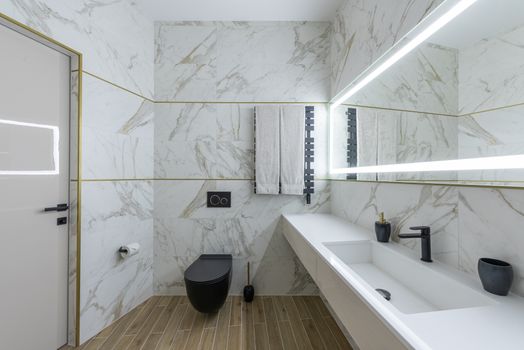
Amazon US Verified
Peel and Stick Textured Linen Wallpaper
Removable neutral wall covering providing architectural warmth and tactile depth.
Beadboard Brings Texture to Hardworking Rooms
Beadboard has long been associated with cottages and traditional interiors, but it can still be an effective finish for mudrooms, bathrooms, breakfast areas, and hallways. The vertical lines add detail without requiring artwork or elaborate molding.
It can also protect the lower part of a wall from everyday scuffs, especially when finished with washable paint. Panel proportions and trim details determine whether it appears classic or dated. A clean cap rail and a color connected to the surrounding room generally look more intentional than a decorative treatment added in isolation.
In bathrooms and other damp spaces, choose a product rated for the location and address ventilation first. Standard fiberboard products can swell or deteriorate when repeatedly exposed to moisture.
Minimalism Is About Editing, Not Empty Rooms
Minimalism is often reduced to white walls, sparse furniture, and rooms that feel untouched. A more useful definition is intentional ownership: keeping what supports your routines and removing what creates unnecessary visual or physical clutter.
A minimalist room can contain deep color, art, books, patterned textiles, and inherited furniture. What makes it feel calm is the absence of excess competition. Objects have space around them, storage has a clear purpose, and frequently used items are easy to reach.

Amazon US Verified
Hang-O-Matic All-in-One Picture Hanging Tool
Tape measure, sliding level, and markers in one tool for flawless gallery walls.
This approach can be adapted to any style. You do not need to discard meaningful belongings or build a monochrome home. Start with one crowded surface, remove what does not belong there, and create a practical home for what remains.
All-White Rooms Still Have Advantages
White interiors reflect light, create visual continuity, and provide a flexible background for furniture and art. Those qualities remain useful regardless of changing color forecasts.
The risk is not the color itself but a lack of variation. When every surface has the same cool white finish, a room may feel flat or clinical. Layering different materials helps: consider warm wood, woven fibers, aged metal, stone, linen, wool, or textured ceramics.
Undertones also matter. A white that looks crisp in a sunny room may appear gray or blue in a darker north-facing space. Test large paint samples at different times of day before committing. In busy homes, washable finishes and easy-to-clean upholstery may be more practical than delicate white materials.
Laminate Flooring Can Be a Sensible Alternative to Wood
Laminate should not be dismissed simply because it imitates another material. A well-selected product can provide an attractive, durable floor at a lower cost than many hardwood options. Its wear layer can handle daily traffic and minor scratching well, making it appealing for households with children or pets.
Quality varies considerably. Compare the manufacturer’s wear rating, warranty exclusions, underlayment requirements, repair options, and installation instructions rather than shopping by color alone. Inspect samples in person because printed grain and repeated plank patterns are more noticeable across a full room.
Moisture performance deserves special attention. “Water-resistant” and “waterproof” are not interchangeable promises, and coverage depends on the specific product and correct installation. Standing water can damage the seams or fiberboard core of some laminate floors. Follow the manufacturer’s cleaning guidance and avoid assuming that every product is suitable for bathrooms, laundry rooms, or wet mopping.
Hardwood retains advantages of its own. Depending on its construction and remaining wear layer, it may be repaired or refinished rather than replaced. The right decision depends on budget, expected traffic, moisture exposure, desired lifespan, and how much you value natural variation.
You may also enjoy reading: These 5 Design Trends Are Back and Look Better Now.
Carpet Still Belongs in Some Bedrooms
Wall-to-wall carpet has become less common in main living spaces, but bedrooms are a different case. Carpet feels soft underfoot, reduces echo, and can help quiet footsteps between floors. Those qualities are valuable in nurseries, children’s rooms, and upstairs bedrooms.
Maintenance is the deciding factor. Carpet collects soil and requires regular, effective vacuuming. Spills, pet accidents, and persistent moisture can be difficult to manage, while people with certain allergies or sensitivities may prefer an easier-to-clean hard surface. Product emissions and adhesives are also worth checking when purchasing new flooring.
If you like the comfort but not the commitment, a large area rug over hard flooring offers a middle ground. It provides softness and sound absorption while being easier to replace or remove.
Painting Wood Trim White Is Not Always a Design Mistake
White trim can brighten a room, connect mismatched woodwork, and give inexpensive or previously painted molding a cleaner appearance. It remains popular because it creates a clear frame around walls, windows, and doors.
That does not mean every wood surface should be painted. Original hardwood millwork, unusual species, hand-carved details, and well-preserved historic finishes may contribute to a home’s architectural value. Restoring or refinishing them could be more appropriate than covering them.
Consider the condition and significance of the wood before reaching for a brush. If the trim is ordinary, badly patched, or already layered with paint, a new painted finish may be the practical choice. If it is high-quality original material, ask a restoration professional about less permanent options.
Safety matters in older buildings. Disturbing painted surfaces can create hazardous lead dust in homes built before 1978 in the United States. The EPA recommends lead-safe renovation practices, including determining whether lead-based paint is present before sanding or scraping.
Word Signs Can Feel Personal When Used Sparingly
“Live, Laugh, Love” signs became a symbol of mass-produced farmhouse decor, but displaying words in a home is not inherently dated. House numbers, family names, vintage shop signs, framed sayings, and hand-painted inscriptions have existed across many design eras.

Amazon US Verified
Ceramic Fluted Decorative Vase Set
Modern minimalist ceramic vases perfect for shelves, consoles, and dried florals.
The difference is personal relevance. A generic phrase repeated throughout the house can feel like filler, while one meaningful quotation or inherited sign may tell a genuine story. Typography, material, scale, and placement should also relate to the room.
If you enjoy words such as “Gather,” “Family,” “Home,” or “Blessed,” you do not need permission from a trend report to display them. Give the sign breathing room and avoid surrounding it with several competing messages. One intentional piece generally has more impact than a wall full of slogans.
How to Keep a Dated Trend Without Making the Room Feel Stuck
You rarely need to remove a functional feature simply because its peak popularity has passed. Instead, evaluate how it interacts with everything around it.
- Keep the useful feature and simplify its context. A farmhouse sink can look current with restrained cabinetry and uncomplicated hardware.
- Avoid stacking several era-specific motifs. Shiplap, distressed signs, barn doors, and faux-rustic furniture in one room may feel more dated than any single element would.
- Update finishes before replacing permanent materials. Paint, lighting, textiles, and hardware can change a room at far less cost than demolition.
- Respect the architecture. Clawfoot tubs and beadboard feel natural in some homes, while sleek laminate or flat-panel doors may suit others.
- Test practical limitations. Think about noise, cleaning, moisture, accessibility, storage, and repair before choosing solely by appearance.
Should You Keep an Unpopular Home Trend?
Keep it when it works well, remains in good condition, and makes the home more comfortable for the people living there. Replace or modify it when it creates an ongoing problem, conflicts with the building, or no longer supports your needs.
A home does not become timeless by avoiding every recognizable trend. It becomes enduring when its materials, layout, and furnishings are chosen with care. Design advice can help you notice alternatives, but it should not persuade you to discard a feature you genuinely enjoy and use.
As an Amazon Associate, azuloz.com earns from qualifying purchases.