Are Formal Living Rooms Out of Style? How to Make the Space Useful Again
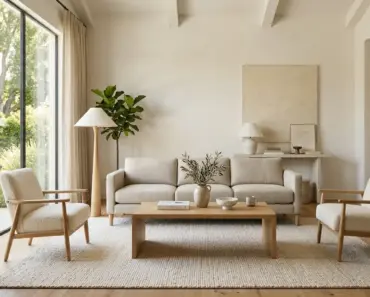
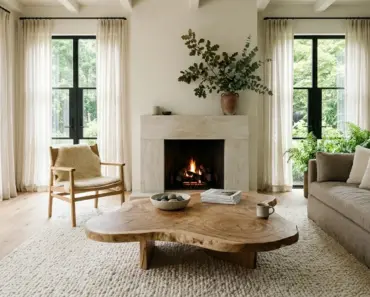
Formal living rooms are not disappearing entirely, but the untouchable, display-only version is increasingly out of step with how many people live. Today’s most successful living rooms combine comfort, personality, and a clear everyday purpose. They may still look polished, but they are designed for reading, conversation, games, work, music, or relaxed entertaining—not merely to impress occasional guests.

If your formal living room sits empty, you do not necessarily need to remove walls or undertake an expensive renovation. A more thoughtful furniture arrangement, better lighting, and one useful secondary function can turn it into a room your household actually enjoys.

Amazon US Verified
Ceramic Fluted Decorative Vase Set
Modern minimalist ceramic vases perfect for shelves, consoles, and dried florals.
Why Traditional Formal Living Rooms Feel Outdated
The problem is usually not formality itself. A beautiful room dedicated to conversation or entertaining can still be valuable. What feels outdated is the idea that a room should remain pristine, rarely used, and separate from ordinary family life.
Contemporary households tend to expect more from every square foot. Guests often gather near the kitchen, while families relax in a casual family room or open-plan living area. In that context, a second sitting room filled with delicate furniture may struggle to justify its space and cost.
Design coverage reflects this change. Designers interviewed by Good Housekeeping described traditional formal living rooms as attractive but frequently underused. At the same time, current living-room trends point toward multifunctional spaces with conversation areas, reading corners, game tables, and built-in bars.
That does not mean elegance is unwanted. It means elegance now needs to coexist with comfort and function.
Daily life has become less compartmentalized
Older residential layouts often separated receiving guests, dining, cooking, and family relaxation into distinct rooms. Many modern households prefer spaces that can accommodate several activities throughout the day.
A front living room might serve as a quiet office in the morning, a reading room in the afternoon, and a place for drinks after dinner. That flexibility makes the room easier to use without sacrificing its refined appearance.
Casual entertaining has changed furniture layouts
A formal layout often places furniture against the walls or points every seat toward a fireplace, even when the distance between chairs makes conversation awkward. More inviting rooms pull seating closer together and provide every guest with a convenient surface for a drink or book.
The goal is no longer to create a scene that looks complete from the doorway. The room should feel comfortable after someone enters it.
Homeowners want rooms that reflect real interests
A piano, craft table, library wall, record collection, or chess table gives people a reason to spend time in a room. These personal elements can make a polished space more compelling than perfectly coordinated furniture alone.
Amazon US Verified
Peel and Stick Textured Linen Wallpaper
Removable neutral wall covering providing architectural warmth and tactile depth.
This preference for personality does not require a casual or cluttered result. Built-in storage, attractive task lighting, and carefully chosen materials can keep a multifunctional room visually cohesive.
The Formal Living Room Is Evolving, Not Simply Vanishing
Declaring every formal living room “out” overlooks an important countertrend: intimate, conversation-focused rooms are attracting renewed interest. Some homeowners want a place without a television where people can talk, read, listen to music, or enjoy a drink.
The difference is that these newer sitting rooms are meant to be used. Seating is comfortable, fabrics are selected for real life, and personal objects replace showroom-style decoration. Current design forecasts describe living rooms as multifunctional social spaces rather than single-purpose display rooms.
A formal room may still be a good fit if you:
- regularly host guests and need seating away from the kitchen;
- want a quiet, screen-free room for reading or conversation;
- own a piano, artwork, or book collection that you actively enjoy;
- have enough space elsewhere for work, play, storage, and exercise;
- prefer defined rooms rather than a fully open floor plan.
If those conditions do not describe your household, repurposing the room may offer more value than preserving its original label.
How to Choose a Better Purpose for the Room
Before buying furniture, observe how your household currently uses the home. The best conversion solves a recurring problem rather than following a temporary decorating trend.
Ask these practical questions:
- Which activity regularly takes over the kitchen table or family room?
- Who needs the space, and at what times of day?
- Does the room need privacy, quiet, daylight, or easy supervision?
- What furniture do you already own and genuinely use?
- Can the new function work without blocking the main path through the home?
- Would the room benefit from one permanent purpose or two compatible uses?
Also consider the room’s physical characteristics. A bright front room can make an excellent office or art studio, while a darker enclosed space may be better suited to movies or music. A room beside the kitchen naturally supports entertaining, whereas one near children’s bedrooms may work better as a playroom or homework area.

Amazon US Verified
Hang-O-Matic All-in-One Picture Hanging Tool
Tape measure, sliding level, and markers in one tool for flawless gallery walls.
Practical Formal Living Room Conversion Ideas
Create a conversation lounge
This option preserves the spirit of a formal living room while making it more welcoming. Replace rigid seating with a comfortable sofa and two movable chairs. Arrange them around a coffee table or large ottoman, and add side tables within easy reach.
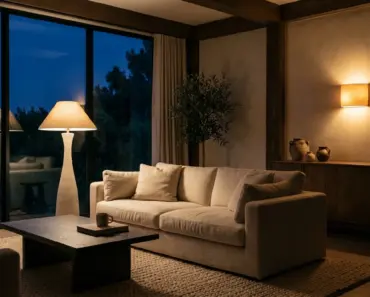
A bar cabinet or compact beverage station can give the room a clear entertaining function. Use closed storage if you want glassware and supplies to disappear when they are not needed. Layered lighting—a ceiling fixture, table lamps, and perhaps a picture light—will create a warmer atmosphere than one bright overhead source.
You may also enjoy reading: These 5 Design Trends Are Back and Look Better Now.
Build a library and reading room
A library works especially well in a room without a television. Bookshelves provide purpose and visual character, while a pair of comfortable chairs creates an intimate place to read or talk.
Include a floor lamp or adjustable wall light beside each reading seat. If you use tall freestanding bookcases, secure them appropriately to reduce tipping risk. Closed cabinets along the bottom can store games, paperwork, and less attractive household items.
Combine a home office with guest seating
A front living room can become an effective workspace without looking like a corporate cubicle. A desk integrated into shelving generally feels more intentional than a workstation placed in an otherwise unchanged sitting room.
Keep the desk away from glare when possible, provide accessible electrical outlets, and plan storage for cables and office supplies. A compact sleeper sofa, daybed, or pair of lounge chairs can preserve the room’s usefulness after working hours.
If video calls are frequent, check what appears behind the desk before finalizing the layout. A bookcase, art wall, or simple painted surface will usually provide a calmer background than a busy doorway.
Design a game or media room
Board games, cards, puzzles, and movies can give an overlooked room a strong social purpose. A round table is flexible because it supports games, homework, crafts, and casual meals. Add drawers or nearby cabinets so supplies can be put away easily.
For a media room, consider viewing distance, window glare, sound transfer, and the location of outlets before installing a screen. Rugs, curtains, and upholstered furniture can soften echoes without making the room feel heavy.
If the room opens directly onto an entryway, a discreet screen or attractive cabinet may help the space look orderly when it is not in use.
Turn it into a playroom that can mature with the family
A front-room play area allows children to remain nearby without spreading every activity across the main family room. Choose washable surfaces, rounded furniture where practical, and storage that children can reach safely.
Avoid designing the entire space around toddler-sized furniture. A full-size table can support art projects now and homework later. Modular storage, a durable rug, and movable seating allow the room to change as children grow.
When the room is visible from the entrance, matching bins or cabinets with doors can contain visual clutter without making cleanup complicated.
Make a creative studio or music room
A room dedicated to sewing, painting, writing, or playing an instrument can be far more valuable than an unused parlor. Start with the activity’s practical requirements: work-surface height, daylight, storage, ventilation, acoustics, and flooring that can tolerate the materials involved.
For music, rugs, curtains, bookcases, and upholstered pieces may help reduce harsh sound reflections. For art or crafts, use washable surfaces and organize supplies near the work zone. Good storage matters more than decorative accessories in either version.
Set up a flexible wellness room
A lightly furnished room can support yoga, stretching, or compact exercise equipment. Measure the equipment in its full operating position rather than relying only on its folded dimensions. Preserve clear circulation paths and follow the manufacturer’s recommendations for floor surface and overhead clearance.
A cabinet can store resistance bands, towels, and smaller accessories. If large mirrors, wall-mounted equipment, or heavy machines are involved, use suitable fixings and obtain professional help when necessary.
How to Make a Multifunctional Room Feel Cohesive
A room can serve more than one purpose without looking disorganized. The most convincing multifunctional spaces use visual connections and clear zones.
Pair compatible activities
Some combinations work naturally because they need similar furniture or operate at different times:
- library and conversation lounge;
- office and occasional guest room;
- game room and homework area;
- music room and reading space;
- playroom and family craft area;
- bar lounge and record-listening room.
A noisy game room and a quiet office are harder to combine if different people need them simultaneously. Consider actual schedules, not just whether two functions physically fit.
Use furniture to define zones
A rug can mark a seating area, while a console or open bookcase can visually separate a desk. In a larger room, two chairs placed back-to-back with a desk zone can create separation without constructing a wall.
Do not overfill the center of the room. Maintain a comfortable route between doorways, and make sure chairs can be pulled out without blocking circulation.
Give every activity dedicated storage
Multifunctional rooms fail when changing activities requires moving piles from one surface to another. Assign cabinets, drawers, shelves, or baskets to each use. Closed storage is especially helpful when the room is visible from the front entrance.
Create a shared palette
Repeating a limited group of colors and materials helps separate zones feel like one room. For example, the desk, side tables, and storage cabinet might share a similar wood tone, while one accent color appears in the office chair, rug, and cushions.
A Budget-Friendly Way to Test the Conversion
You do not need to commit to built-ins or major construction immediately. Test the idea first:
- Remove furniture that is uncomfortable, damaged, or included only for display.
- Measure the room, doorways, windows, outlets, and major furniture pieces.
- Choose one primary activity and, at most, one compatible secondary use.
- Rearrange furniture you already own before purchasing replacements.
- Add task lighting appropriate to the new activity.
- Bring in temporary storage, such as a cabinet or bookcase.
- Use the arrangement for several weeks and note what feels inconvenient.
- Invest in permanent furniture only after the room proves useful.
This trial period can reveal practical issues that are easy to miss on a floor plan, including screen glare, inadequate lighting, noise, difficult circulation, or insufficient storage.
When a Larger Renovation Makes Sense
Furniture and lighting may be enough, but some conversions require more planning. New walls can improve privacy for an office, while wider openings may connect an isolated front room to the rest of the home. Additional outlets, data connections, or built-in storage can also make a new function more successful.
Before altering or removing a wall, have a qualified professional determine whether it is structural and whether it contains plumbing, wiring, or ductwork. Converting a room into a legal bedroom may also involve local requirements for egress, ventilation, smoke alarms, ceiling height, and other safety features. Requirements vary, so check with the appropriate local authority before beginning that type of project.
Should You Keep Your Formal Living Room?
Keep it if you use it, enjoy it, or have a clear plan to make it inviting. Repurpose it if it exists mainly because the floor plan gave it a traditional name.
A good room does not have to be busy every hour, and quiet space is not automatically wasted space. A reading room used several times a week may be more valuable to you than a heavily used media room. The important distinction is whether the space supports your life or merely represents an obligation to maintain a certain appearance.
If you decide to retain a more formal atmosphere, focus on comfort:
- use durable upholstery suited to your household;
- place seats close enough for easy conversation;
- provide practical tables and layered lighting;
- include books, art, music, or games that invite interaction;
- avoid reserving every attractive object for rare occasions.
Frequently Asked Questions
Are formal living rooms completely out of style?
No. Display-only rooms are less compatible with many contemporary lifestyles, but polished conversation rooms and intimate parlors can still feel relevant. The modern version emphasizes comfort, personality, and regular use.
What is the easiest way to repurpose a formal living room?
Begin with furniture rather than construction. Remove stiff or unnecessary pieces, choose one practical purpose, and rearrange the room around that activity. A desk, reading chair, game table, or storage cabinet can establish a new function without permanently changing the house.
What is the best use for a formal living room near the front door?
A library, tidy office, conversation lounge, or music room can work well because these uses do not require complete separation from the entrance. If the room will become a playroom or exercise area, closed storage can help it remain orderly and welcoming.
Will removing a formal living room reduce a home’s resale value?
A reversible change, such as replacing furniture and assigning the room a new purpose, does not physically remove the living room. Buyers can reinterpret it later. Structural alterations are more consequential, so consider the home’s layout, neighborhood expectations, permits, and professional real-estate advice before permanently changing walls or converting the space to another legally defined use.
Where did the formal living room come from?
Its predecessor was the parlor or reception room, which became prominent in Victorian-era middle- and upper-class homes. It was used to receive visitors and often displayed a household’s carefully selected furnishings and possessions. Over time, residential design developed separate formal and everyday living areas, but changing social habits and household needs have made that division less useful for many families.
The most current approach is not to reject beauty or tradition. It is to make sure the room earns its place in your home. Whether it becomes a library, lounge, office, playroom, or comfortable modern parlor, the best design is the one that gives you a genuine reason to walk in and stay awhile.
As an Amazon Associate, azuloz.com earns from qualifying purchases.