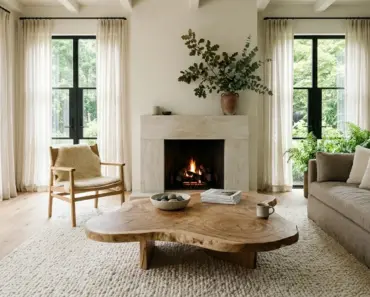
5 Secondhand Living Room Accessories Designers Love—and How to Choose Them Well
You do not need a room full of brand-new decor to create a polished living space. In fact, secondhand accessories often bring more character, texture, and individuality than items purchased together from one collection.
Amazon US Verified
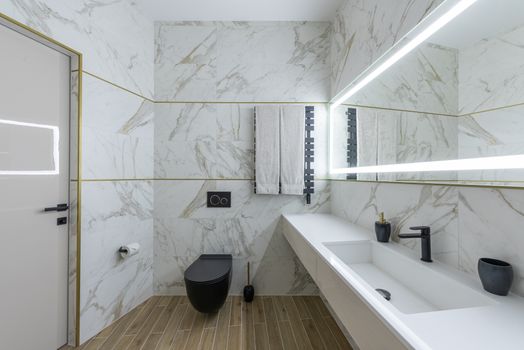
Peel and Stick Textured Linen Wallpaper
Removable neutral wall covering providing architectural warmth and tactile depth.
Designers interviewed by Real Simple highlighted pottery, small decorative objects, original art, and rugs as especially rewarding vintage finds. These categories are widely available at thrift stores, flea markets, estate sales, antique shops, and online marketplaces—but a successful purchase depends on condition, intended use, and how well the object fits your room.
What Makes a Secondhand Accessory Worth Buying?
Age alone does not make an object valuable or suitable for your home. Before looking for a famous maker or a particular period, consider four practical questions:
- Do you genuinely like it? A modest unsigned painting you enjoy is usually a better purchase than a collectible object that does not suit your taste.
- Is the condition appropriate for its purpose? A chipped vessel may still work as shelf decor, while a cracked planter or unstable candlestick may not be safe to use.
- Does it add something your room lacks? Look for contrast in material, shape, scale, color, or texture rather than another version of something you already own.
- Can it be cleaned safely? Strong odors, active mold, insects, severe corrosion, and water damage can turn an inexpensive find into a difficult restoration project.
Bring room measurements, photographs, and a small tape measure when shopping. These simple tools help you judge scale and avoid buying a rug, tray, or artwork that has nowhere suitable to go.
Amazon US Verified
Ceramic Fluted Decorative Vase Set
Modern minimalist ceramic vases perfect for shelves, consoles, and dried florals.
1. Antique and Vintage Pottery
Old pitchers, bowls, planters, and ceramic vessels can introduce color and sculptural form without making a living room feel overdecorated. Lauren Winsor of House of Winsor Interiors specifically points to pottery from American makers such as McCoy for its recognizable shapes and details.
A single substantial vessel can anchor a mantel or console. Smaller pieces work well in groups, particularly when they share one quality—such as an earthy glaze, a rounded shape, or a limited color palette—without matching exactly.
How to Inspect Secondhand Pottery
- Examine the rim, handles, base, and inside for chips or hairline cracks.
- Tap the piece gently with a fingernail. An unexpectedly dull sound can sometimes indicate a hidden crack, although this is not a definitive test.
- Check whether a vessel sits flat and whether any lid belongs to the piece and fits properly.
- Look underneath for impressed names, stamps, numbers, or handwritten marks, but remember that a missing mark does not automatically mean poor quality.
- Inspect glazed surfaces for flaking, powdery residue, repairs, or areas that remain damp after washing.
Crazing—the network of fine lines that sometimes develops in a glaze—may be visually appealing on a decorative object. However, it can make a vessel less suitable for water, plants, or food. Place a smaller waterproof container inside an old vase before adding flowers if you are uncertain about leaks.
Keep Unverified Vintage Pottery Decorative
Do not assume an antique bowl, pitcher, or vase is food-safe. The U.S. Food and Drug Administration notes that some antique, damaged, handmade, or improperly manufactured pottery may contain glaze from which lead can leach into food or drink.
If you cannot verify that a piece is safe for food use, treat it as decoration. Do not use it to cook, serve, or store food, and never use a vessel marked “Not for Food Use” for that purpose. Washing or boiling cannot remove lead from pottery.
2. Brass Vases, Candlesticks, and Metal Accents
Vintage brass can bring warmth to a room dominated by wood, stone, or pale upholstery. Sarah Smythe, co-founder of Lagniappe, favors vintage brass vases and candlesticks because their naturally aged surfaces add depth. Dusti Jones of Dusti J Design also shops secondhand for brass, glass, and silver accessories.
Patina is not automatically damage. Brown, golden, and softly mottled areas can be part of the appeal. Powdery green corrosion, deep pitting, splits, and unstable joints deserve closer attention, however.
What to Check Before Buying
- Set candlesticks and vases on a level surface to check for wobbling.
- Inspect seams, soldered joints, feet, and handles for separation.
- Look inside vessels for holes, heavy corrosion, or residue.
- Make sure a candle socket is wide and deep enough to hold the candle securely.
- Check whether decorative feet or felt pads are missing, especially on objects intended for wood furniture.
A magnet can provide a clue about construction, but it cannot establish quality by itself. Brass-plated steel may attract a magnet, while solid brass generally will not. Some pieces also combine several metals, so weight, seams, finish, and overall construction matter more than any single home test.
Clean Gently Before You Polish
Begin with a soft, dry cloth or brush. If further cleaning is necessary, test a mild method on an inconspicuous spot. The Canadian Conservation Institute explains that polishing is abrasive and recommends beginning with the least harmful approach.
Avoid aggressively polishing a valuable, coated, painted, or unfamiliar object. Some apparently tarnished finishes were intentionally applied, and removing them can permanently alter the piece. When provenance or value is uncertain, simple dusting—or advice from a qualified conservator—is the safer choice.
3. Original Paintings, Drawings, and Prints
Secondhand art is one of the easiest ways to make a living room personal. Jessica Williamson of JTW Design incorporates small sketches, oil paintings, and photographs into bookcases because they can reflect a homeowner’s interests and experiences.
The artist does not need to be famous. Instead, focus on whether the work holds your attention and complements the room without merely repeating its colors. A small landscape can soften a shelf filled with books, while an abstract work can introduce movement above a quiet console.
How to Evaluate Secondhand Artwork
- View the piece from several distances and in natural light when possible.
- Inspect the front and back for water stains, mold, tears, punctures, flaking paint, and insect damage.
- Check whether the frame is structurally sound and its hanging hardware is secure.
- Look for a signature, date, gallery label, framer’s label, or handwritten note that may offer useful context.
- Evaluate the artwork separately from the frame. An unattractive frame can be replaced; serious damage to the work may be harder to address.
Do not clean a painting with household sprays, water, oil, or food-based remedies. Even gentle-looking products can stain a surface or remove original material. Dust the frame carefully and consult a conservator if the artwork has flaking paint, mold, or significant value.
Protect Art From Light and Moisture
Display works on paper, photographs, and textiles away from direct sun. The Library of Congress advises that light damage is cumulative and irreversible. Avoid hanging vulnerable art directly above a working fireplace, radiator, or damp exterior wall.
If a print or drawing touches the glass, consider having it rematted with archival-quality materials. Proper spacing reduces the risk of moisture causing the artwork to adhere to the glazing.
4. Vintage Rugs
A vintage rug can establish the room’s palette and connect furniture that otherwise feels unrelated. Dusti Jones recommends vintage and antique rugs for their distinctive patterns and the craftsmanship visible in well-made examples.
However, “vintage” does not guarantee that a rug is hand-knotted, naturally dyed, rare, or valuable. The term is used broadly by sellers. Judge the individual rug by its construction, condition, size, appearance, and price rather than relying on the label.
You may also enjoy reading: 9 Small Bedroom Ideas That Make the Most of Every Inch.
Measure Before You Shop
Mark the proposed rug dimensions on the floor with painter’s tape. In many living rooms, a rug feels more connected to the seating arrangement when at least the front legs of the sofa and chairs rest on it. A smaller rug can still work, but it should look intentionally placed rather than stranded in the center of the room.
Record the maximum and minimum dimensions that will work. Vintage rugs rarely come in standardized sizes, and handmade examples may not be perfectly rectangular.
Inspect Both Sides of the Rug
- Look for holes, splits, weak edges, missing fringe, and exposed foundation threads.
- Compare worn areas with the placement of furniture in your room.
- Examine the back for staining, repairs, adhesive, insect casings, or loose material.
- Smell the rug closely. Strong mildew, smoke, urine, or chemical odors can be difficult and expensive to remove.
- Ask whether the rug has been professionally cleaned and whether repairs were disclosed.
- Confirm the return policy before buying online, since screen colors and seller photographs can be misleading.
Some repairs are normal and may even show that a rug has been cared for. Large glued patches, brittle fibers, extensive moth damage, or crumbling backing are more serious concerns. If the rug is expensive, ask a reputable rug specialist to assess it before purchase.
Plan for Professional Cleaning
A newly purchased rug may carry dust, allergens, or residues from storage. Vacuuming alone may not be sufficient, and aggressive home washing can cause bleeding, shrinkage, distortion, or damage to weakened fibers. Include professional cleaning in your budget, particularly for wool, silk, antique, or hand-knotted rugs.
5. Trays, Boxes, Frames, and Small Decorative Objects
Small secondhand accessories are useful when you want to refresh a room without replacing its main furniture. Dusti Jones looks for trays, boxes, frames, vessels, and even magnifying glasses because these objects can bring craftsmanship and an unexpected detail to a shelf or table.
A tray can visually organize remotes, coasters, and a small vase. A lidded box can conceal chargers or other everyday clutter. An empty vintage frame may become a mirror, surround a small artwork, or simply add architectural shape to a layered display.
How to Build a Collected-Looking Arrangement
Start with one functional anchor, such as a tray or box, and add only two or three objects. Vary their heights and shapes while repeating one element—perhaps brass, dark wood, or blue glass—to make the arrangement feel connected.
Leave some empty surface around the group. Negative space keeps a vignette from turning into clutter and makes each object easier to appreciate. If every shelf is full, rotate accessories seasonally instead of displaying the entire collection at once.
Condition Checks for Small Objects
- Open and close boxes to test hinges, clasps, and lids.
- Run a hand carefully around glass edges to identify chips.
- Check trays and frames for loose corners, unstable handles, or sharp hardware.
- Inspect wood for small holes, powdery dust, or other possible signs of insect activity.
- Avoid electrical vintage accessories unless their wiring has been evaluated and made safe.
- Keep heavy, sharp, or breakable objects beyond the reach of young children and pets.
A Practical Secondhand Shopping Checklist
| Category | Best condition checks | Possible extra cost | Important caution |
|---|---|---|---|
| Pottery | Cracks, chips, leaks, glaze damage, stable base | Testing, professional repair, waterproof insert | Do not use unverified antique pottery with food |
| Brass and metal | Corrosion, dents, loose joints, unstable base | Conservation or gentle cleaning | Polishing can remove an original finish |
| Artwork | Mold, stains, tears, flaking, frame stability | Archival matting, framing, conservation | Light and moisture damage may be permanent |
| Rugs | Odor, holes, weak edges, insects, poor repairs | Professional cleaning, pad, specialist repair | “Vintage” does not guarantee quality or origin |
| Small objects | Sharp edges, loose parts, damaged hinges, pests | Minor repair or replacement hardware | Decorative pieces may not be food- or child-safe |
Where to Find the Best Secondhand Living Room Accessories
Different sources suit different shopping styles. Thrift stores can offer low prices but require patience. Estate sales are useful for finding several objects from the same household, while antique malls allow easier comparison among dealers. Flea markets may offer room for negotiation, and local online marketplaces are convenient for rugs and larger framed art that would be expensive to ship.

Amazon US Verified
Hang-O-Matic All-in-One Picture Hanging Tool
Tape measure, sliding level, and markers in one tool for flawless gallery walls.
Ask sellers specific questions rather than simply asking whether an item is in “good condition.” Useful questions include:
- Are there cracks, odors, repairs, stains, or missing parts?
- Has the item been cleaned, polished, rewired, reframed, or restored?
- Is the material or maker confirmed, or is the description an estimate?
- Can the seller provide photographs of the back, base, corners, and damaged areas?
- What are the exact dimensions and return conditions?
Buy Slowly and Let the Room Develop
The strongest secondhand interiors rarely come together in one shopping trip. Begin with one item that adds a missing material or point of interest, then live with it before buying more. A weathered ceramic vessel, a restrained brass accent, an original sketch, or a well-chosen rug can have more impact than a shelf crowded with unrelated finds.
Prioritize objects you will use or enjoy seeing, inspect them according to their intended purpose, and include cleaning or repair costs in the real purchase price. The goal is not to make everything look old—it is to create a living room that feels personal, balanced, and assembled with care.
As an Amazon Associate, azuloz.com earns from qualifying purchases.