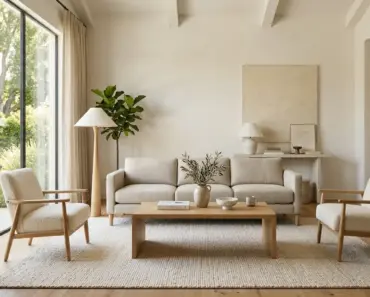
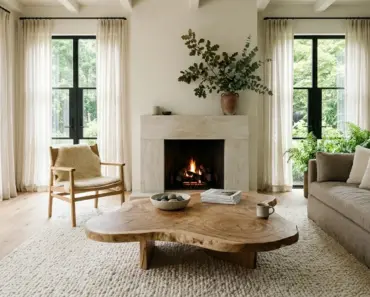
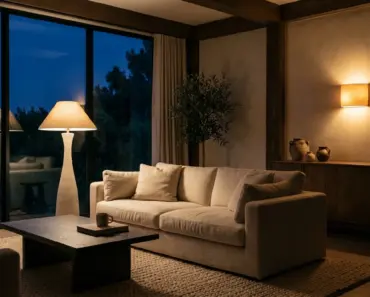
What Designers Really Think About Midcentury Modern in 2026
Midcentury modern design is not disappearing in 2026, but the overly coordinated, time-capsule version is losing its appeal. The clean lines, practical layouts, sculptural furniture, and natural wood associated with the style remain highly relevant. What is changing is how designers use them.
Today’s most convincing rooms combine midcentury pieces with warmer colors, tactile fabrics, antiques, contemporary art, and objects that reflect the people living there. The result feels collected and comfortable instead of staged like a 1960s television set.

Amazon US Verified
Hang-O-Matic All-in-One Picture Hanging Tool
Tape measure, sliding level, and markers in one tool for flawless gallery walls.

Is Midcentury Modern Out of Style in 2026?
No. Midcentury modern remains an important design language rather than a short-lived decorating trend. Many of its defining ideas—functional furniture, efficient floor plans, restrained ornamentation, organic forms, and connections between indoor and outdoor spaces—continue to influence contemporary homes.
Original designs also remain in production decades after their introduction. The Eames Lounge Chair and Ottoman, for example, debuted in 1956 and is still manufactured. Eero Saarinen’s Pedestal Collection, introduced by Knoll in the late 1950s, continues to appear in dining rooms, kitchens, and commercial interiors.
However, the endurance of individual designs does not mean every midcentury decorating formula feels current. Rooms assembled from matching walnut furniture, starburst accessories, hairpin legs, geometric prints, and obligatory orange accents can look more like themed sets than lived-in homes.
The distinction matters: midcentury modern principles are enduring, while a literal recreation of the period can feel dated.
How Midcentury Modern Is Changing in 2026
Current interiors are moving toward warmth, character, craftsmanship, and personal expression. Recent 2026 design coverage from Vogue and Homes & Gardens reflects a broader preference for lived-in rooms, natural finishes, tactile materials, and meaningful objects.
Midcentury furniture works well within this direction because its relatively simple forms can coexist with many other styles. A walnut credenza can support contemporary ceramics. A molded chair can sit beside an old wood table. A streamlined sofa can be softened with linen curtains, a wool rug, and handmade textiles.
Several shifts define the updated approach:
- Complete matching sets are giving way to furniture assembled gradually.
- Hard, glossy surfaces are being balanced with linen, wool, bouclé, leather, and woven fibers.
- Bright retro color schemes are being replaced by nuanced earth tones and deeper shades.
- Pristine showrooms are giving way to comfortable rooms that accommodate daily life.
- Recognizable reproductions are being mixed with antiques, contemporary pieces, and less familiar vintage finds.
- Decorative personality is returning through books, art, collections, and travel objects.
The Midcentury Look That Now Feels Dated
A room does not become timeless simply because every object was inspired by the same historical period. In fact, strict adherence to one style is often what makes an interior age quickly.
The most dated version of midcentury modern usually includes several clichés at once: a low walnut media console, tapered legs on every piece, an atomic clock, a sputnik chandelier, a geometric rug, and repeated mustard or orange accents. None of these elements is inherently wrong. The problem is using all of them as a formula without considering the architecture, function, or occupants of the room.
Be especially careful with inexpensive furniture that borrows only the most recognizable features of the period. Thin splayed legs attached to a generic cabinet do not automatically create good design. Proportion, construction, comfort, materials, and suitability for the room matter more than a style label.
How to Make Midcentury Modern Feel Timeless
Choose One or Two Strong Anchors
Start with a piece that genuinely suits the room: a sculptural lounge chair, an oval dining table, a well-proportioned credenza, or a simple sofa. Let it establish the design direction without requiring every other item to match.
For example, a walnut sideboard can be paired with contemporary artwork, a ceramic table lamp, and an antique chair. A pedestal table can sit under a traditional pendant rather than another obvious midcentury fixture. Restricting the number of unmistakably retro pieces makes each one feel more intentional.
Mix Periods with a Common Thread
Mixing styles succeeds when the pieces share at least one visual relationship. That connection might be color, scale, shape, material, or mood.
A curved midcentury sofa and a contemporary round table can relate through form. A dark antique cabinet can work beside a walnut chair if their wood tones have similar warmth. A vintage Persian rug can ground a modern seating group by repeating colors found elsewhere in the room.
You do not need an equal quantity of furniture from every period. An effective room may be predominantly contemporary with one vintage chair, or mostly midcentury with traditional lighting and modern art.
Replace the Retro Palette with Nuanced Color
Mustard yellow, avocado green, and burnt orange have historical connections to midcentury interiors, but using all three can make a room feel overly referential. In 2026, a more flexible palette includes chocolate brown, olive, tobacco, clay, oxblood, muted blue, cream, and warm gray.
These colors do not have to remain small accents. Deep green cabinetry, a brown sofa, or clay-toned walls can give streamlined furniture a richer setting. Pale rooms can work too, provided they contain enough tonal variation and texture to avoid feeling flat.
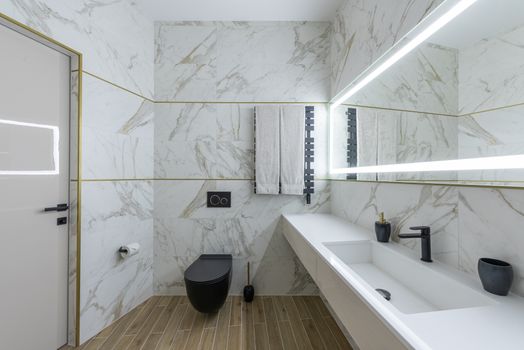
Amazon US Verified
Peel and Stick Textured Linen Wallpaper
Removable neutral wall covering providing architectural warmth and tactile depth.
If you love a brighter retro shade, use it with purpose. One vermilion chair or cobalt lamp often has more impact than several small accessories scattered around the room.
Layer Natural and Tactile Materials
Midcentury designers experimented with molded plywood, fiberglass, plastic, aluminum, and other industrial materials. Those innovations remain central to the style, but a room filled exclusively with smooth surfaces can feel cold.
Balance them with materials that invite touch:
- Wool or natural-fiber rugs
- Linen or cotton curtains
- Textured upholstery
- Hand-thrown ceramics
- Woven baskets or cane details
- Natural stone with visible variation
- Solid wood with an honest grain
The objective is not to cover every surface with texture. A few contrasting materials are enough to give streamlined furniture greater depth.
Respect the Architecture
Original midcentury homes often feature open plans, broad windows, modest room dimensions, low rooflines, and strong indoor-outdoor connections. Furniture with low profiles and visually light frames naturally complements those characteristics.
In a Victorian house, farmhouse, loft, or new-build apartment, the same furniture may need a different supporting cast. Traditional molding, old floors, or industrial windows do not have to be removed to make midcentury pieces work. The contrast can be more compelling than a complete historical makeover.
Consider ceiling height, circulation, window placement, and the visual weight of existing features before choosing furniture. Good proportion will make a bigger difference than strict stylistic purity.
Are Iconic Midcentury Pieces Worth Buying?
An authentic design can be worthwhile when you appreciate its history, construction, and everyday usefulness. It should not be treated as an automatic investment or purchased solely because it is recognizable.
The Eames Lounge Chair, Saarinen tables, Nelson Bubble Lamps, and seating produced by Knoll and Herman Miller remain influential because their forms and functions have proven adaptable. Nevertheless, an iconic name does not guarantee that a particular piece will fit your body, room, or lifestyle.
Before spending heavily, check:
- The dimensions and clearances in your room
- Seat height, depth, and comfort
- Upholstery durability and care requirements
- Manufacturer, labels, documentation, and provenance
- The availability and cost of replacement parts
- Whether the material tolerates children, pets, sunlight, or frequent use
- Return, delivery, and warranty conditions
Counterfeits and loosely described reproductions are common. If authenticity matters, buy from the licensed manufacturer, an authorized retailer, or a reputable vintage dealer that provides clear documentation. A well-made, lesser-known vintage piece may offer better value than a poor copy of a famous chair.
How to Use Midcentury Modern in Each Room
Living Room
Choose one foundational piece with a clear silhouette, such as a low sofa or sculptural lounge chair. Introduce contrast with an antique rug, contemporary coffee table, or substantial floor lamp. Add closed storage so the room can remain visually calm without pretending that everyday clutter does not exist.

Amazon US Verified
Ceramic Fluted Decorative Vase Set
Modern minimalist ceramic vases perfect for shelves, consoles, and dried florals.
Avoid placing every item at the same low height. Midcentury furniture can create a horizontal room, so use tall artwork, curtains mounted above the window, or a vertical lamp to balance the composition.
Bedroom
A simple wood bed or vintage dresser is usually enough to establish the style. Soften it with relaxed bedding, an upholstered bench, and curtains that filter daylight. Matching nightstands are optional; two different pieces can work when their heights and visual weights are compatible.
Prioritize comfort over historical accuracy. A beautiful low platform bed is a poor choice if its height makes getting in and out difficult.
Dining Room
A pedestal table can improve circulation because it eliminates legs at the corners, but always compare the base and tabletop dimensions with the number of seats you need. Round tables often suit compact rooms, while an oval version can serve a longer space.
You can combine chairs as long as the seat heights are compatible. Repeating the same finish or upholstery color will make a mixed arrangement feel deliberate.
Home Office
The midcentury principle of combining function with visual economy is particularly useful in a home office. A compact wood desk, ergonomic chair, focused task lamp, and concealed cable management can create a practical workspace without unnecessary decoration.
Do not choose a vintage office chair for appearance alone. Older seating may lack the adjustability and support required for long working sessions. A contemporary ergonomic chair can sit comfortably beside a vintage desk.
Small Apartment
Raised legs, modest furniture profiles, and simple silhouettes can make a small room feel less crowded. Nesting tables, compact desks, wall-mounted storage, and furniture that serves more than one purpose are especially useful.
However, “low profile” should not mean undersized or uncomfortable. Measure the room and map walking paths before buying. One appropriately scaled sofa is often more useful than several small chairs and tables.
Common Midcentury Modern Decorating Mistakes
- Buying a complete set: Too many coordinated pieces can make a home resemble a showroom.
- Choosing style over comfort: Test seating whenever possible and check dimensions carefully when shopping online.
- Using only wood: Similar brown finishes can merge into one visual block. Add stone, metal, fabric, glass, or painted surfaces.
- Ignoring scale: A large lounge chair can overwhelm a small room, while delicate furniture may look lost beneath high ceilings.
- Overusing recognizable motifs: Starbursts, boomerangs, atomic patterns, and tapered legs are more effective in moderation.
- Forgetting lighting: One dramatic fixture cannot provide every type of illumination. Combine ambient, task, and accent lighting.
- Treating vintage as automatically sustainable: Reusing existing furniture can reduce demand for new goods, but condition, transport, restoration materials, and useful lifespan still matter.
- Removing personal objects: A timeless room should reveal something about its occupants rather than presenting a perfect historical theme.
You may also enjoy reading: 5 90s Furniture Trends Designers Are Bringing Back.
Frequently Asked Questions
What defines midcentury modern design?
Midcentury modern generally describes architecture, furniture, and product design associated with the middle decades of the twentieth century. Common features include clean lines, limited ornamentation, functional planning, organic or geometric forms, and experimentation with industrial manufacturing and materials.
The category is broad rather than governed by one exact date range. It includes designers and manufacturers with different philosophies, so not every authentic midcentury piece looks alike.
Can midcentury modern work with traditional decor?
Yes. Streamlined furniture can provide useful contrast in a traditional room. Connect the styles through color, proportion, or material, and allow the building’s original details to remain visible. A modern chair beside an antique chest often looks more natural than attempting to disguise the architecture.
Can you mix midcentury modern with Japandi or Scandinavian design?
These styles can work together because they share an interest in functional forms, craftsmanship, and uncluttered spaces. The main risk is creating a room that feels too pale or sparse. Layer in warmer wood, art, plants, varied textiles, and personal objects to give the interior more character.
Does every midcentury room need walnut furniture?
No. Walnut is strongly associated with the style, but oak, teak, rosewood, plywood, painted wood, metal, fiberglass, and plastic also have important places in midcentury design. Choose materials that suit the room and your maintenance expectations rather than trying to satisfy a checklist.
How can you update an existing MCM room on a limited budget?
Begin by editing rather than replacing. Remove a few theme-heavy accessories, rearrange furniture to improve circulation, and introduce texture through curtains, cushions, or a rug. Changing lampshades, displaying larger artwork, and adding one older or handmade object can shift the room away from a coordinated retro look without requiring new furniture.
The 2026 Verdict
Midcentury modern remains relevant in 2026 because its best qualities are practical and adaptable. What is fading is the idea that a home should reproduce a single era through matching furniture and familiar retro symbols.
Keep the clean forms you genuinely enjoy, but give them room to evolve. Mix periods, vary materials, choose richer colors, accommodate daily life, and display objects with personal meaning. A home that borrows intelligently from midcentury design will feel more enduring than one that attempts to recreate it perfectly.
As an Amazon Associate, azuloz.com earns from qualifying purchases.