Old Money Style Men: The Complete Guide to Timeless Elegance in 2025
Build a quiet wardrobe with strong cloth, clean fit, and a calm palette
Ever notice how some men walk into a room—whether it’s a Manhattan boardroom or a Connecticut country club—and you can’t quite put your finger on why they look so effortlessly put together? No flashy logos. No trendy pieces that’ll look dated next season. Just an understated confidence that seems to transcend time itself.
This is the art of dressing like old money. And contrary to what you might think, it’s not about the price tag—it’s about knowing what to buy, how to care for it, and when to wear it.
I’ve spent years studying how the truly well-dressed approach their wardrobes. Old money style isn’t about showing off wealth—it’s about quiet confidence. Think soft-shouldered jackets, natural fibers, and a color palette that wouldn’t look out of place at a 1960s Ivy League campus or a 2025 art gallery opening.
What’s fascinating about 2025 is that we’re seeing a massive shift away from logo-driven fashion. Search interest in “quiet luxury” has exploded—we’re talking roughly 900% growth—as more men reject the peacocking approach to style. This isn’t a trend that’ll fade next spring. It’s a return to principles that have defined elegant dressing for generations.
My advice: Add one piece at a time. Nail the fit first, then worry about fabric, then obsess over details. That’s how you build a wardrobe that lasts decades, not seasons.
What old money style actually means in 2025
Here’s what old money style isn’t: It’s not about buying the most expensive pieces you can find and hoping people notice. It’s about clothes that do their job so well, they become invisible. You remember the person, not the outfit.
The details matter, though. Soft shoulders instead of aggressive padding. Clean drape rather than skin-tight fits. Matte textures over shiny fabrics. If you’re wearing patterns at all, they’re subtle—windowpane checks, faint stripes, maybe a tasteful herringbone. Nothing that announces itself from across the room.
For younger guys entering the professional world right now, this style offers something rare: a sartorial anchor. While your colleagues are cycling through whatever’s trending on social media, you’re building a wardrobe that’ll look just as sharp in ten years.
- Fit means ease: Room through the chest and seat. Natural shoulders. Sleeves and hems that sit exactly where they should.
- Fabric beats flash: Wool, cotton, linen, cashmere, silk. Sturdy weaves always trump surface shine.
- Versatility is king: Your outfits should transition seamlessly from office to dinner to weekend without looking out of place.
- Restraint shows confidence: Navy, charcoal, brown, olive, stone, ecru. Subtle patterns only. Let the quality speak.
What I’m seeing in 2025: Designers like Giorgio Armani keep showcasing blazers with softer shoulders, wider trousers, fabrics that drape with natural ease. The message couldn’t be clearer—elegance doesn’t need to announce itself. This is fashion that whispers, never shouts.
Take a minute and think: How many pieces in your current wardrobe could you confidently wear ten years from now? What’s holding the rest back—poor fit, cheap fabric, or styles that already feel dated?
Your starting point: The 12-piece capsule wardrobe
I’m going to be blunt here: Most guys own too much clothing and can’t figure out what to wear. The solution? A tight capsule where every single piece earns its place. With these twelve items, you can dress appropriately for a full week without repeating an outfit.
This isn’t about deprivation. It’s about intentionality. These pieces looked great fifty years ago and they’ll look great fifty years from now. That’s the whole point.
The capsule philosophy is simple: When you invest in timeless, classic designs, you never need to worry about “updating” your wardrobe every season. Quality over quantity. Always.
1. Navy sport coat (hopsack or serge, soft shoulder)
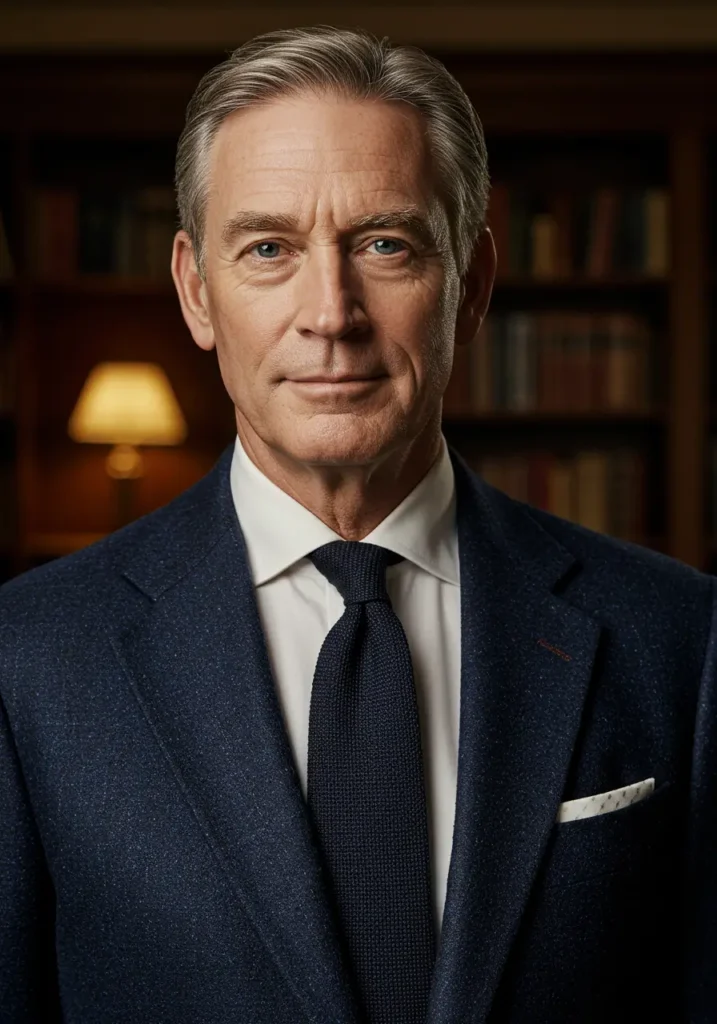
This is your foundation. I cannot overstate how versatile a well-fitted navy sport coat becomes. Dress it down with chinos on Saturday. Throw it over a dress shirt for client meetings. You’ll reach for this three times a week, minimum.
2. Navy two-button suit (notch lapel, half canvas)
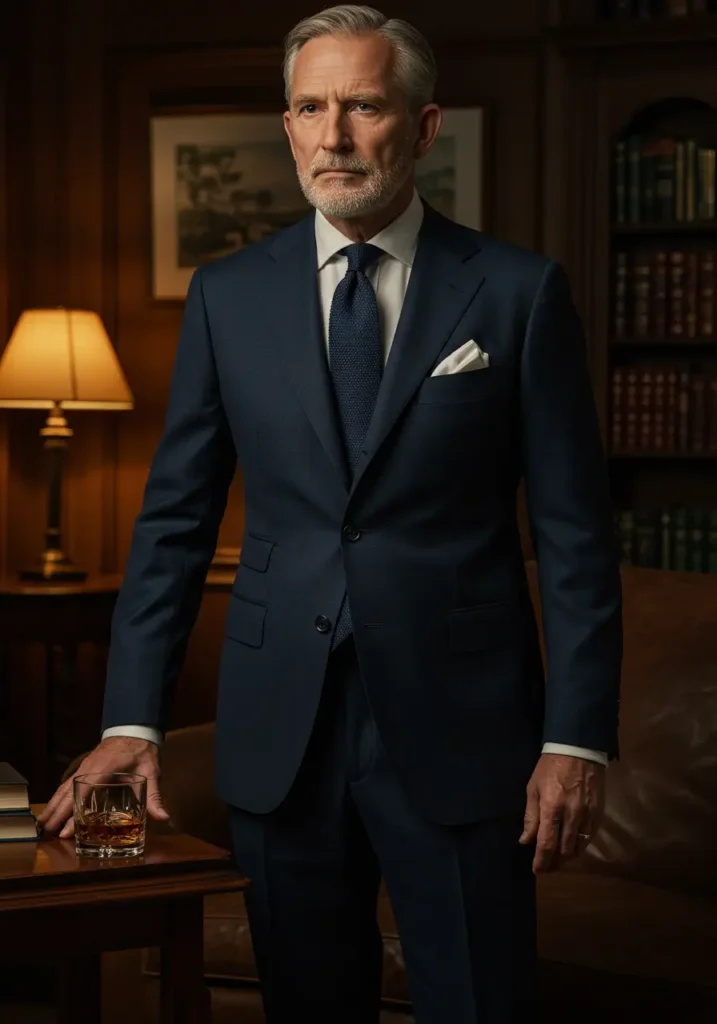
If you’re only buying one suit this decade, make it navy. Not black—black is for funerals and waiters. A proper navy suit with at least half-canvas construction will handle weddings, funerals, job interviews, and formal dinners without breaking a sweat.
3. Grey wool trousers (flannel for cold, high-twist for heat)
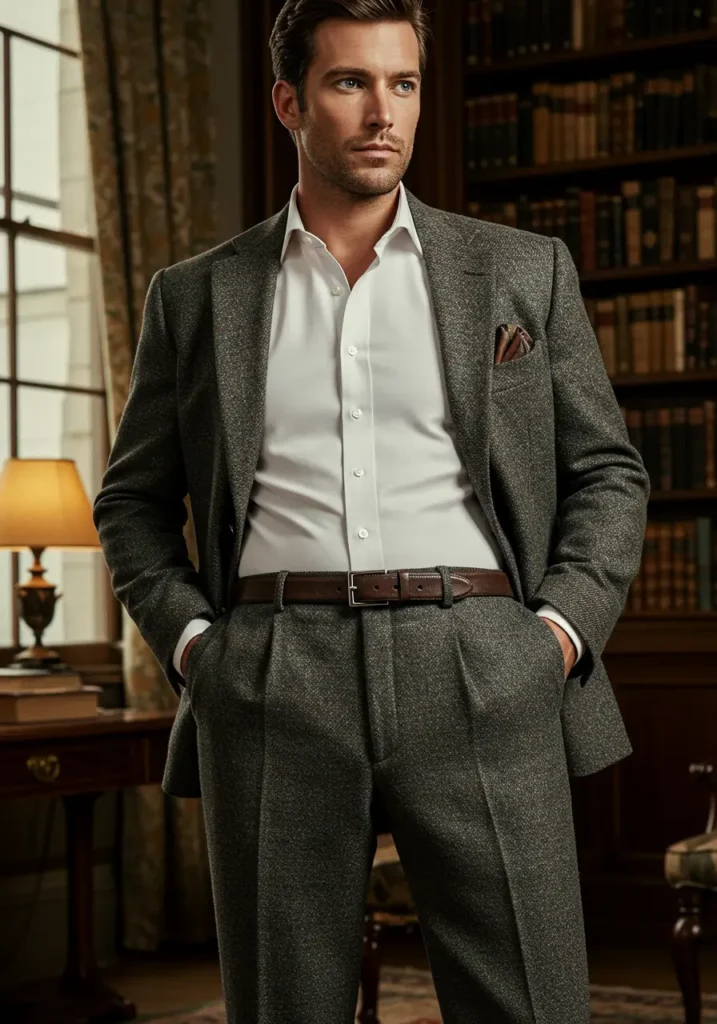
Grey trousers are your secret weapon. They pair effortlessly with navy, brown, burgundy, even olive. Get them hemmed properly—we’re talking a single break or no break—and you’ll wonder how you ever lived without them.
4. Khaki chinos (mid-rise, straight or slight taper)
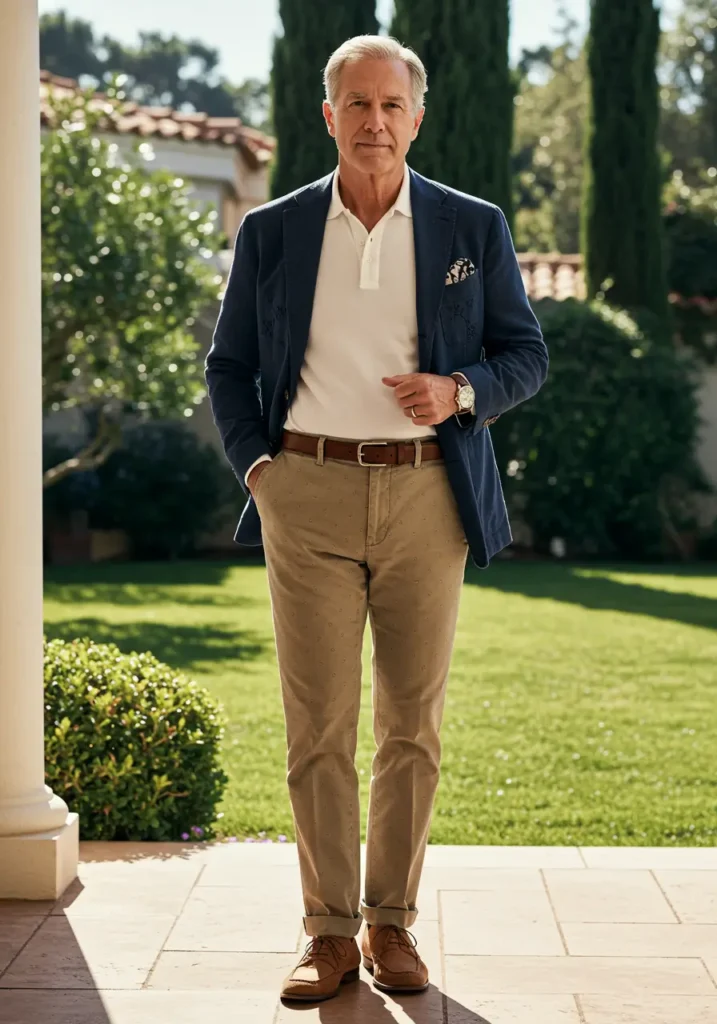
Weekend staple, full stop. Mid-rise so they sit comfortably without looking like dad jeans. These handle everything from Saturday brunch to casual Fridays at the office.

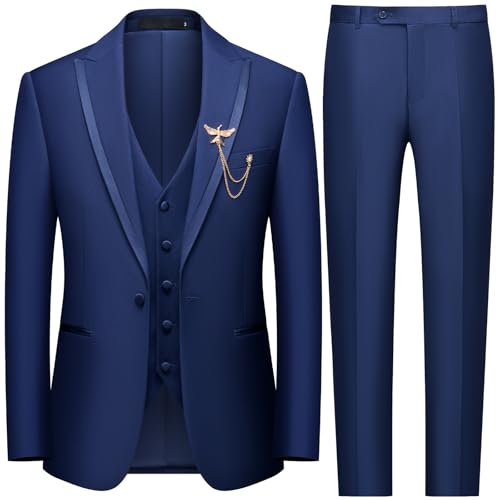
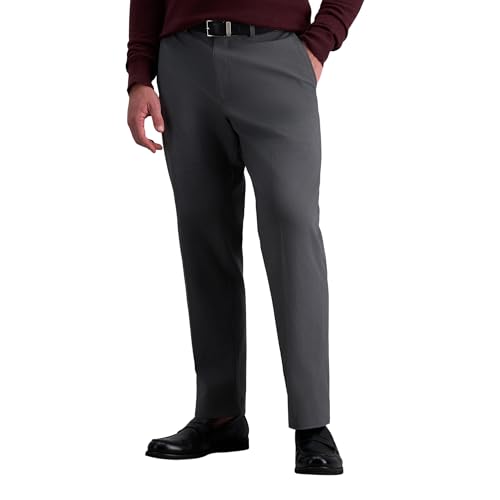

5. OCBD shirts (white and light blue; oxford cloth)
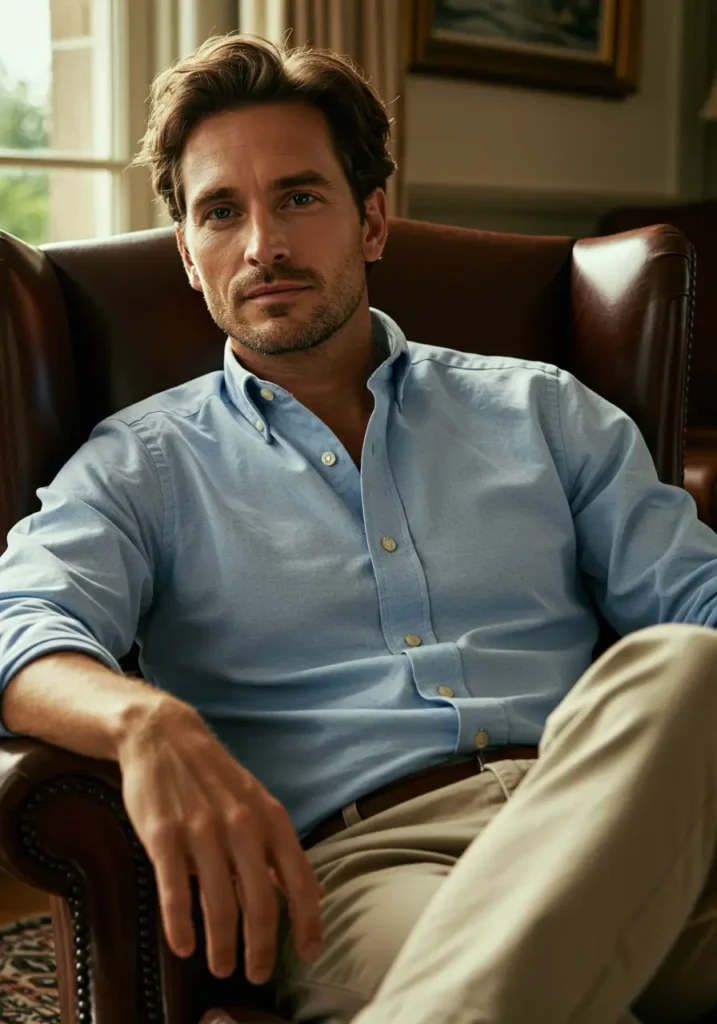
The Oxford Cloth Button-Down is non-negotiable. Look for that characteristic roll collar, box pleat in back, maybe a locker loop. White and light blue will cover 90% of your needs. Wear them with ties or leave them open—they work either way.
6. Pinpoint dress shirt (formal days)
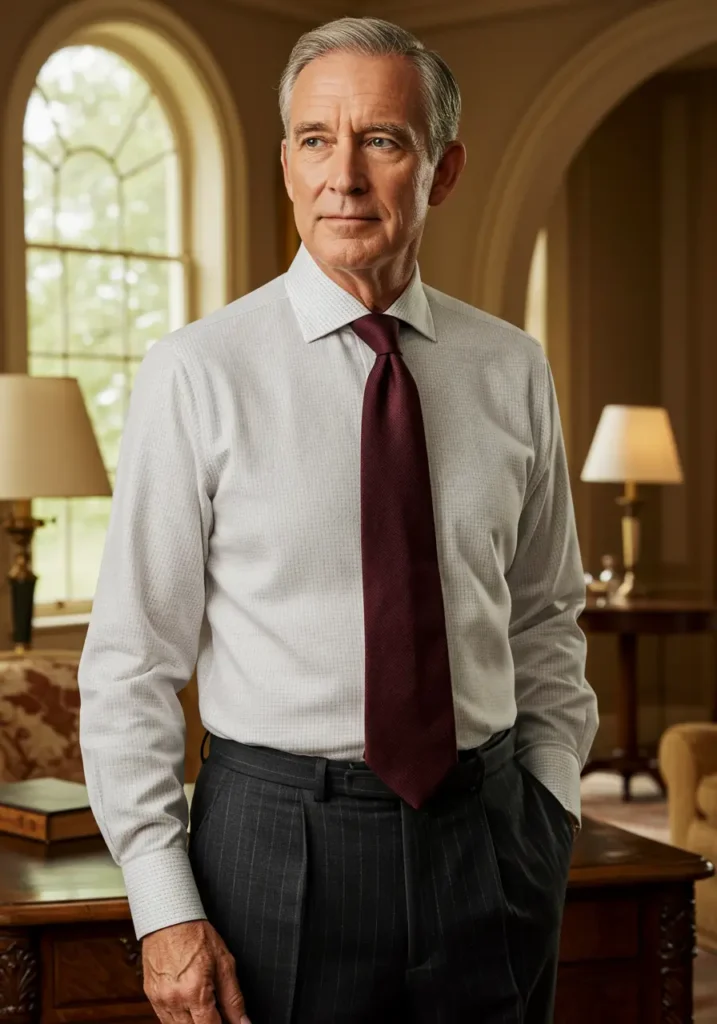
When the OCBD feels too casual, reach for a pinpoint cotton dress shirt. Smoother finish, slightly more formal. Perfect under your navy suit for client presentations or evening events.
7. Cashmere or lambswool crewneck (navy or oatmeal)
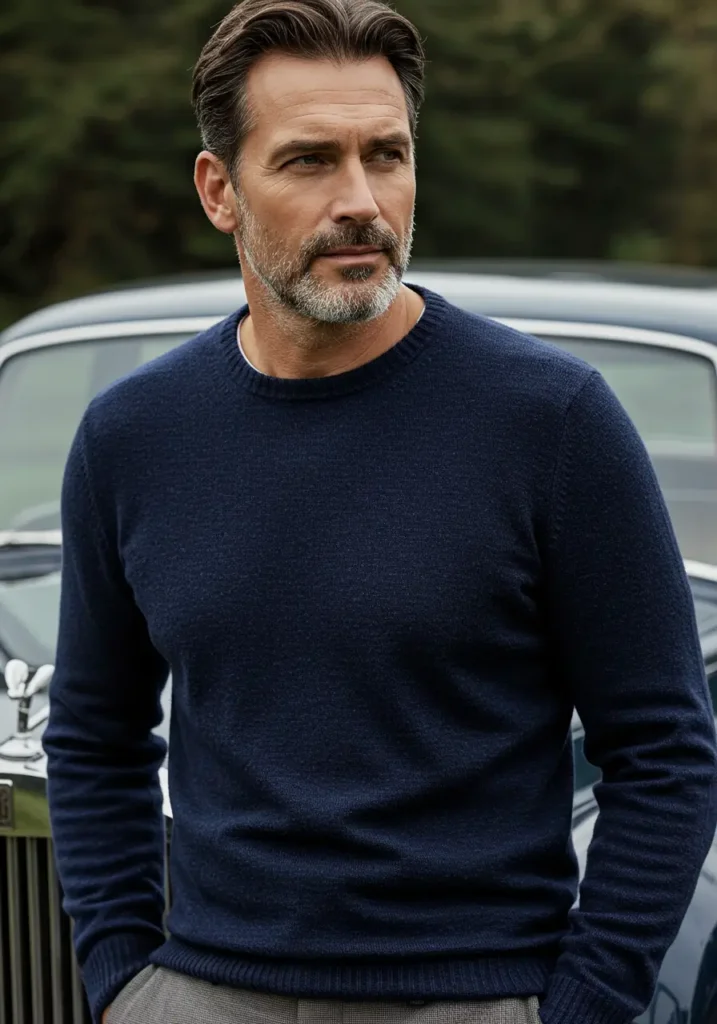
A quality knit sweater adds texture without adding noise. Cashmere if your budget allows; lambswool if not. Navy is classic, oatmeal brings warmth. Layer over shirts or wear solo. This is quiet luxury at its finest.
8. Dark brown penny loafers (Goodyear-welted)

Invest here. Seriously. Goodyear-welted construction means you can resole these shoes for decades. Dark brown penny loafers work with everything from suits to jeans. They’re the Swiss Army knife of footwear.


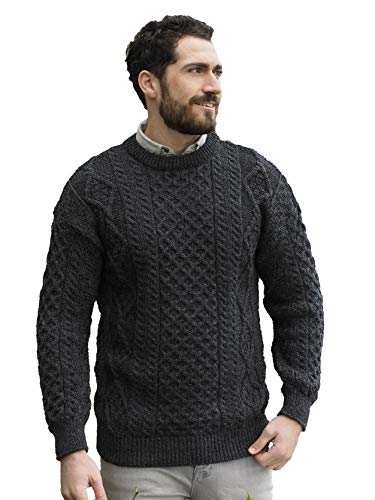

9. Black cap-toe oxfords (events)
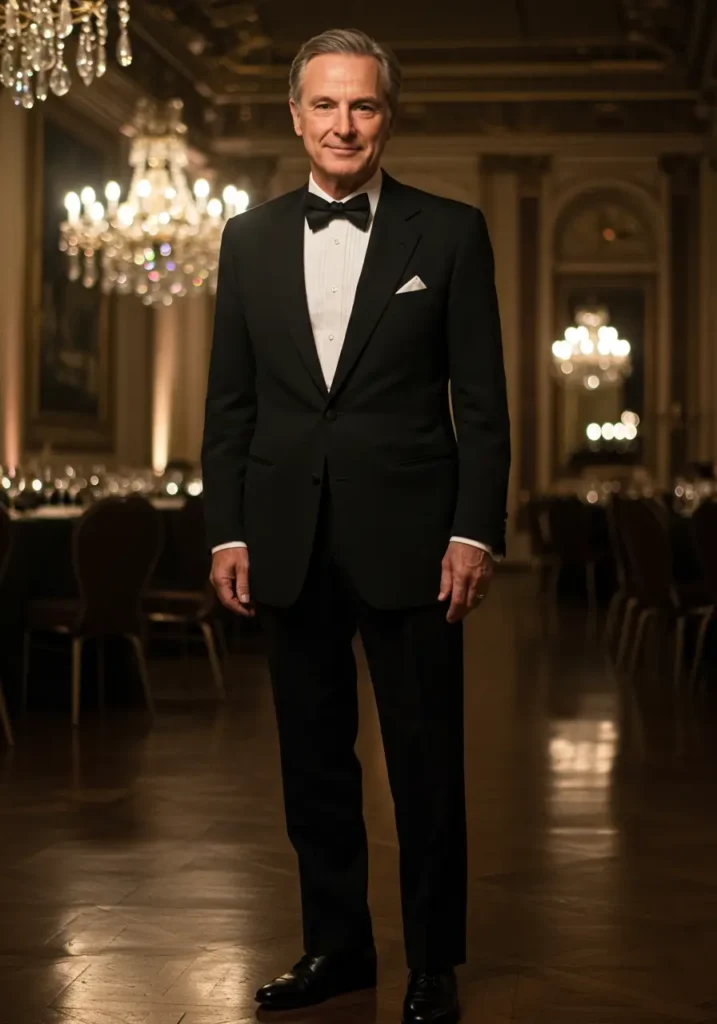
Your formal shoe. Weddings, black-tie optional events, that big presentation where you need to look especially sharp. Keep them polished, store them with trees, and they’ll outlast most relationships.
10. Suede chukkas or derbies (casual tailoring)
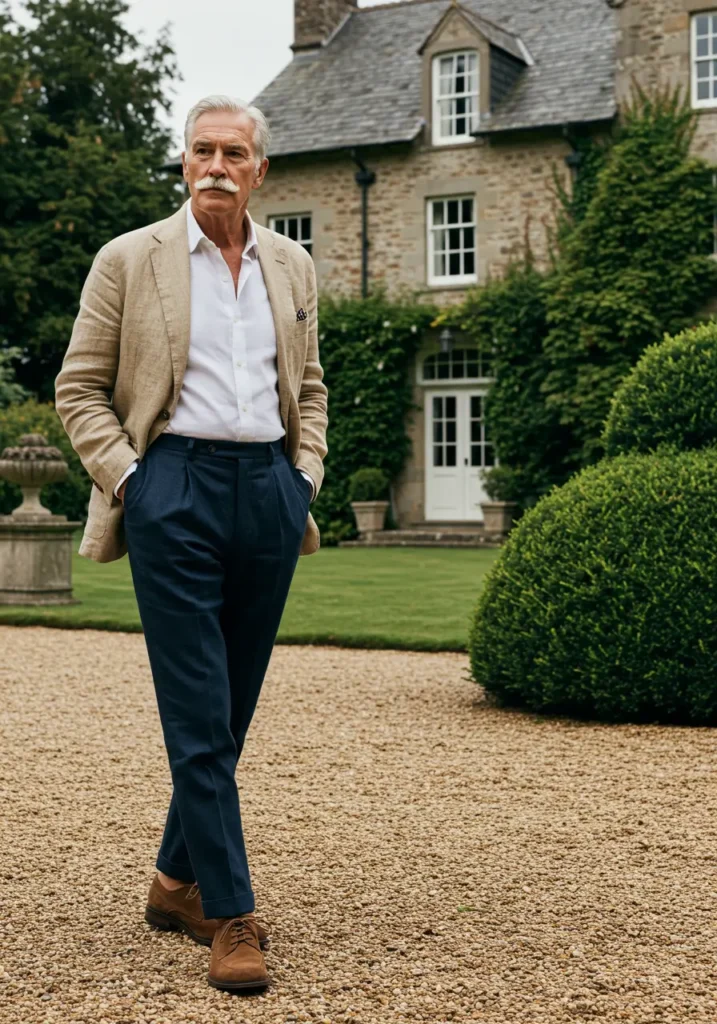
Butter-soft suede shoes bridge the gap between sneakers and dress shoes. Perfect with chinos and a sport coat for that smart-casual sweet spot. Just avoid wearing them in heavy rain.
11. Balmacaan or trench (navy or tan)
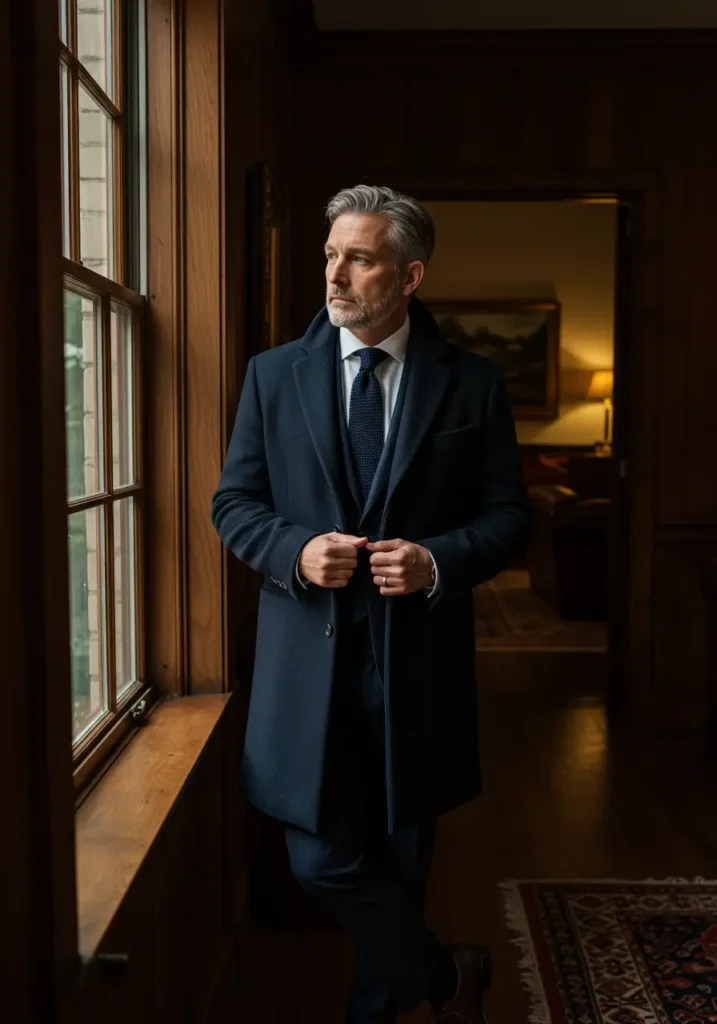
Your outerwear matters. A well-cut coat is the first and last thing people see. Balmacaans offer a relaxed, almost academic vibe. Trenches lean more British. Either way, invest in something that works over both suits and sweaters.
12. Grenadine or repp ties (navy, burgundy, forest)
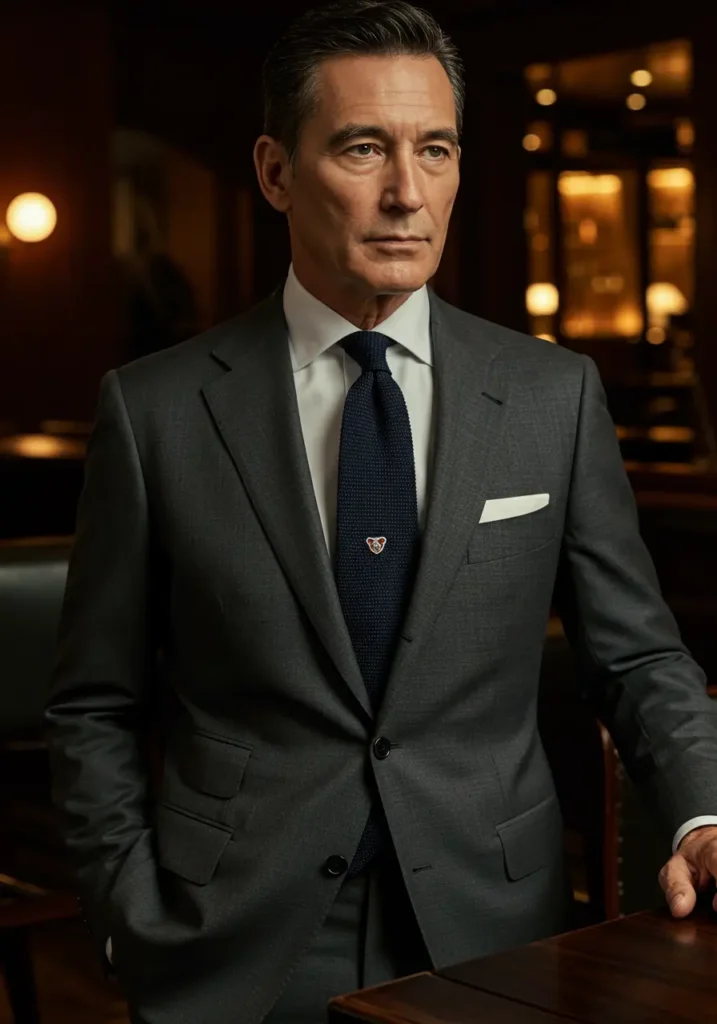
Grenadine ties have texture without pattern—sophisticated formality that works everywhere. Repp stripes offer a touch of color and tradition. Navy, burgundy, and forest green will cover every situation. Skip novelty ties entirely.
Honest question: Which three pieces from this list would transform your current wardrobe overnight? And what’s actually stopping you from buying them—budget, uncertainty about fit, or just not knowing where to start?
Breaking it down by category
Tailoring
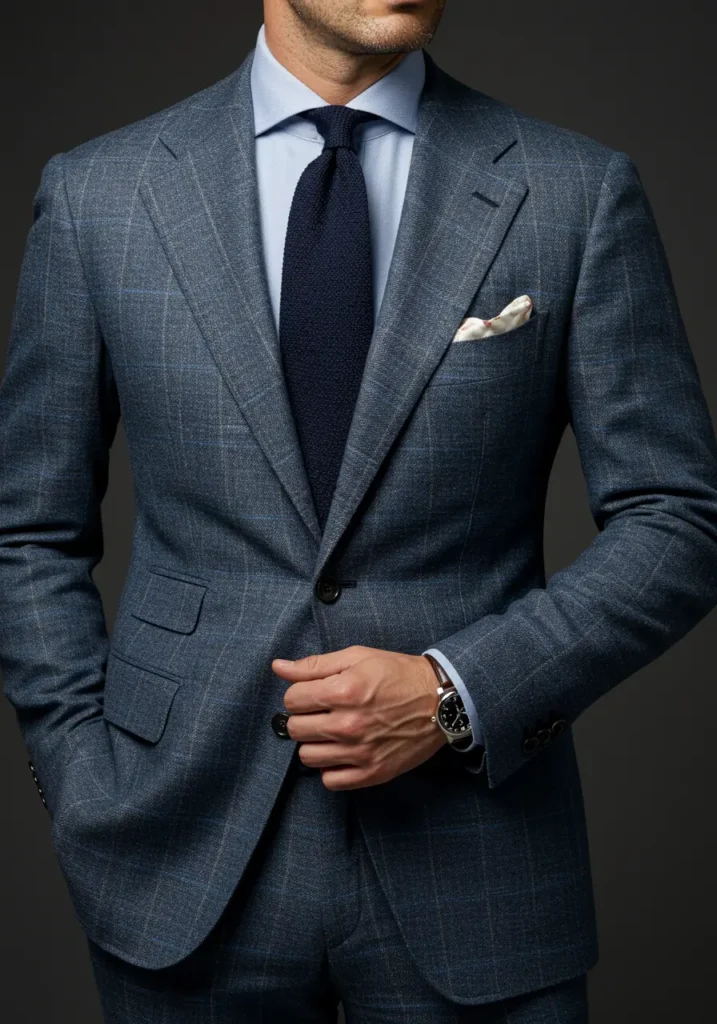
This is where most guys get it wrong. They buy off-the-rack and hope for the best. Here’s what to look for: soft shoulders, clean waist suppression, back that covers your seat. And always—ALWAYS—show about a quarter inch of shirt cuff when your arms hang naturally.
Non-negotiable fit rules:
- Jacket collar should hug your shirt collar without gaping
- Front button should close cleanly without any pulling or X-shaped stress lines
- Trousers sit at mid-rise or natural waist—no sagging, no muffin top
- Single break or no break on the hem; add cuffs if you’re wearing flannel
Shirts and knitwear
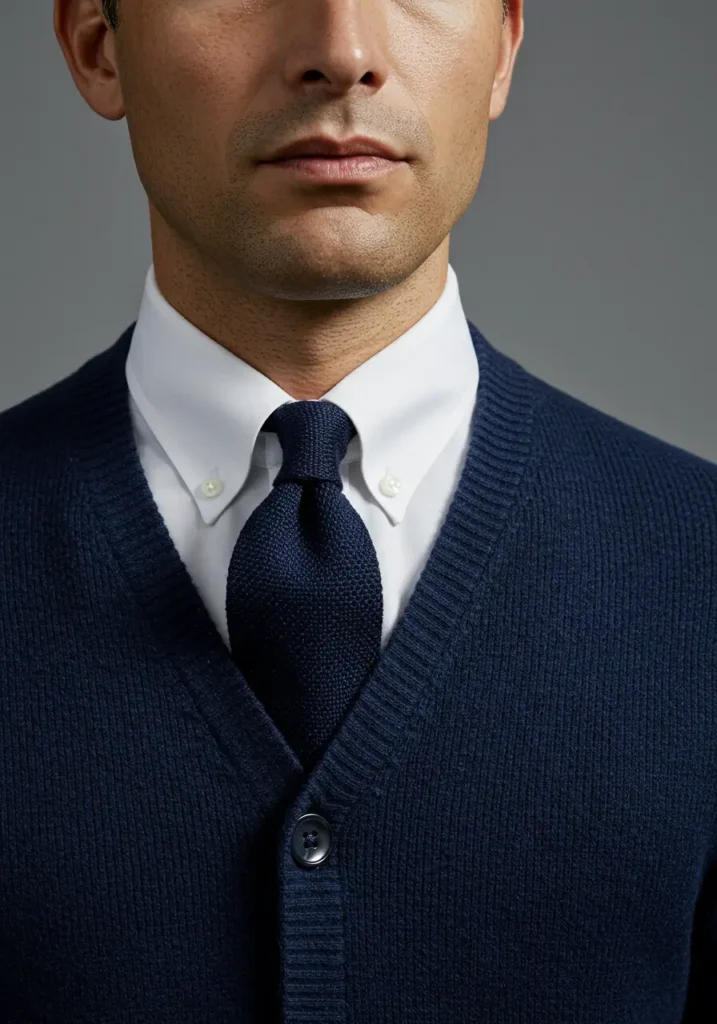
Oxford cloth button-downs are your workhorses. They look equally appropriate with a tie at noon and open-collar at dinner. Sweaters add dimension—Shetland wool has that perfect rustic texture, lambswool offers softness, cashmere brings luxury.
- OCBD features: roll collar, box pleat in back, maybe a locker loop
- Knit materials: Shetland for texture, lambswool for value, cashmere for special occasions
- Stick to: white, light blue, ecru, navy, oatmeal—colors that never date
Trousers
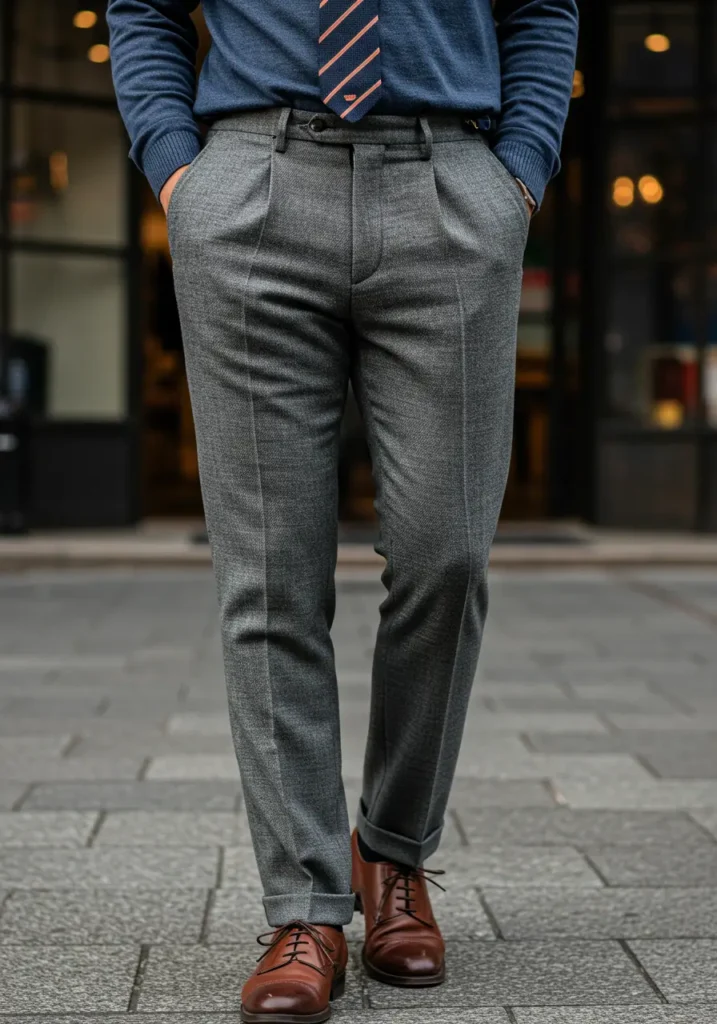
Grey flannel, cavalry twill, khaki chinos, maybe some cream denim for summer—these cover basically every situation. Don’t be afraid of pleats. They’re traditional for good reason, especially if you’ve got athletic thighs.
- Chinos: sturdy cotton twill, plain hem, nothing fancy
- Wool trousers: flannel for fall and winter, high-twist for hot months
- Rise matters: mid or high rise gives you a cleaner silhouette and more comfort
Footwear
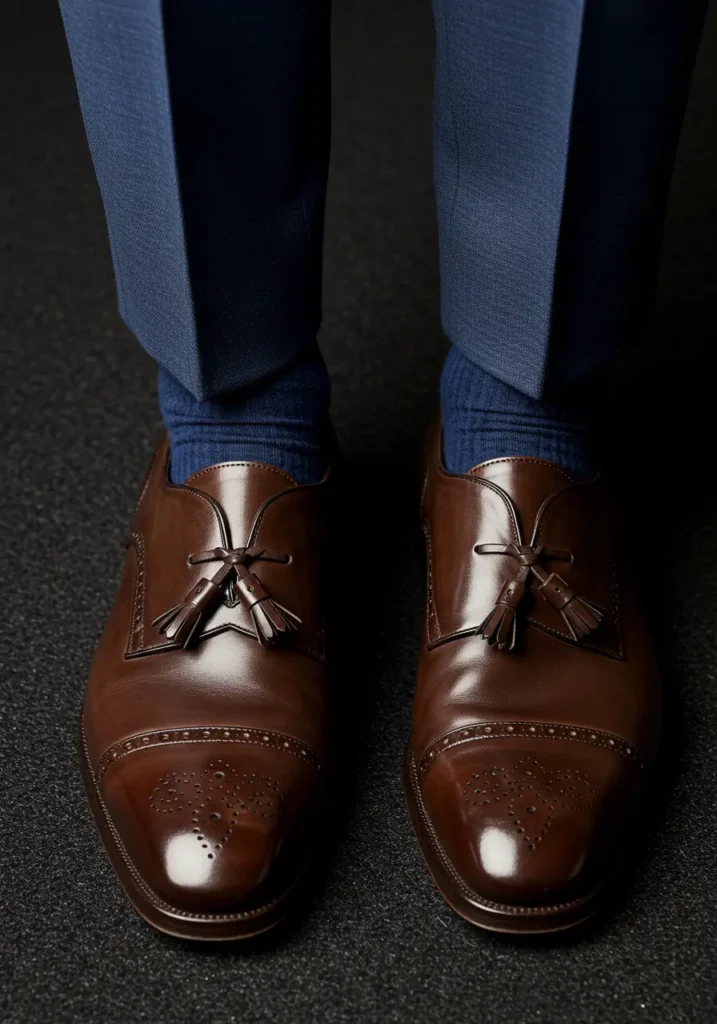
This is where you should spend real money. Good leather ages beautifully. Goodyear welted construction means you can keep resoling the same pair for twenty years. Traditional shapes—penny loafers, tassel loafers, cap-toe oxfords—never go out of style.
- Essential styles: penny or tassel loafers for versatility, cap-toe oxfords for formal
- Casual options: derbies and chukka boots under sport coats
- Winter upgrade: Dainite or storm welts for wet weather without looking like you’re wearing duck boots
Outerwear
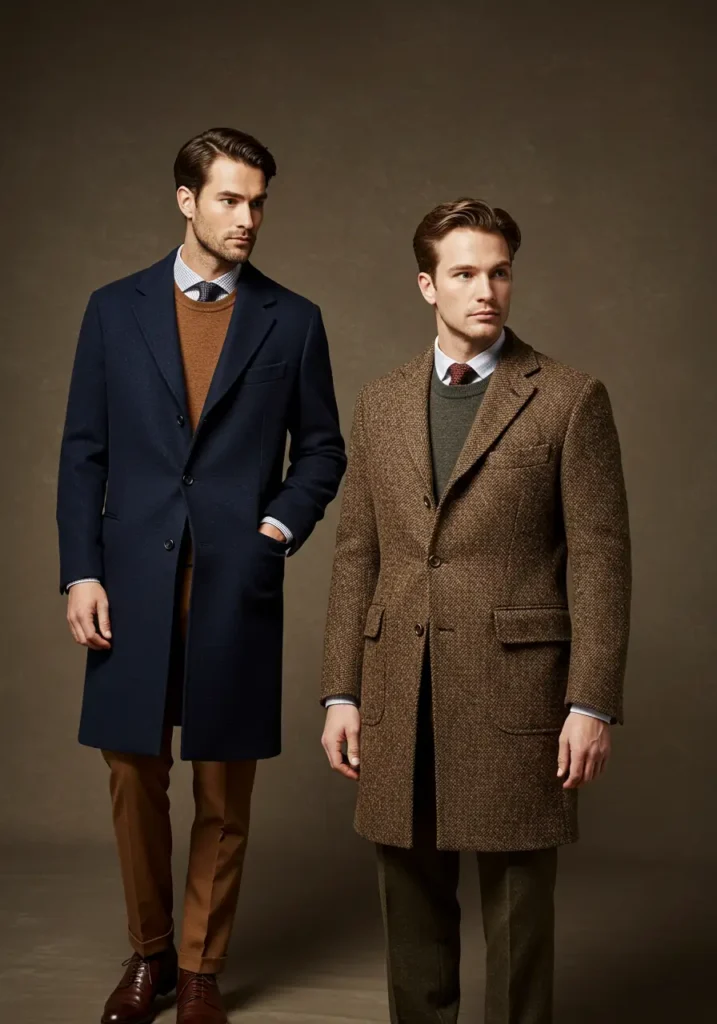
Your coat is the first thing people see and the last thing they remember. It needs to work over both tailored pieces and casual knits. Classic silhouettes beat trendy cuts every single time.
- Balmacaan in navy or tan—timeless British style
- Tweed sport coat in brown herringbone for country weekends
- Waxed cotton jacket in olive with corduroy collar—functional heritage
Accessories
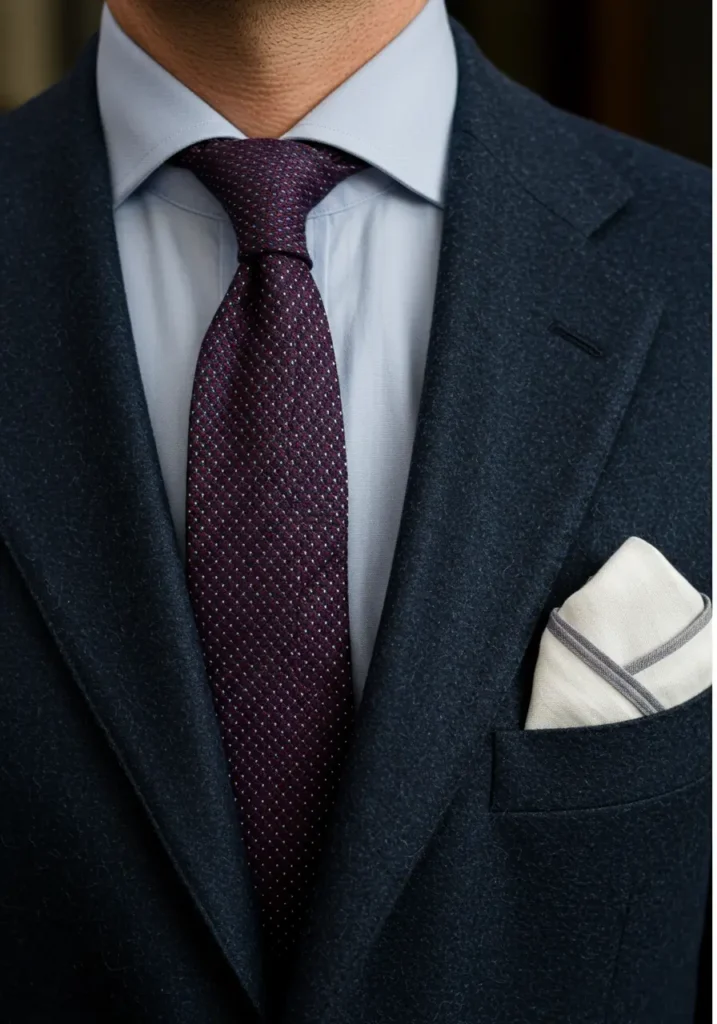
Less is more. Match your metals—all silver or all gold, never mixed. Match your leathers—brown belt with brown shoes, black with black. Simple rules that make you look infinitely more polished.
- Ties: grenadine for texture, repp stripes for tradition; white linen pocket square
- Leather goods: alligator or calf belt, match to your shoes
- Timepiece: slim dress watch with simple dial—leave the complications for watch nerds
- Cold weather: wool or cashmere scarves, cotton handkerchiefs
Your color and texture palette
Here’s the secret: interest comes from texture, not color. Keep your contrast low and steady. Navy, grey, various shades of brown, olive, stone, ecru—these are your tools.
I’ll be direct about this. Loud colors and busy prints are for guys who need their clothes to do the talking. You don’t. Navy, charcoal, cream, and olive mix seamlessly with each other and never look dated. The depth and interest come from the materials themselves—think about the hand-feel of cashmere, the nap on flannel, the texture of raw silk, the soft pile of suede. That’s where your personality shows through.
Seasonal fabric guide: What to wear when
| Season | Your go-to fabrics | Weight range | What to remember |
|---|---|---|---|
| Spring | High-twist wool, cotton twill, linen blends | 8–10 oz | Hopsack jackets shine here. Knit ties. Half-lined jackets for breathability. |
| Summer | Linen, seersucker, tropical wool | 6–9 oz | Go unlined when possible. Suede loafers work great. Airy weaves are your friend. |
| Fall | Tweed, flannel, corduroy | 11–14 oz | Earth tones dominate. Layer Shetland sweaters under sport coats. |
| Winter | Heavy flannel, serge, cashmere | 14–18 oz | Storm welts on your shoes. Fully lined coats. Scarves become essential, not decorative. |
Regional considerations across the U.S.
| Where you live | Smart choices | Why it matters |
|---|---|---|
| Northeast | Tweed, flannel, balmacaans, Dainite rubber soles | Brutal winters demand heavier cloth and weather-resistant footwear. You’ll actually use that overcoat. |
| South | Linen, seersucker, tropical wool | Heat and humidity are real. Airy weaves and lighter colors aren’t optional—they’re survival gear. |
| Midwest | Waxed coats, storm welts, high-twist summer trousers | Rain, snow, and extreme swings mean versatility matters. Rotate your shoes so they dry properly between wears. |
| West Coast | Hopsack blazers, chinos, suede loafers | Mild temperature swings year-round. Dress codes tend relaxed but neat. Perfect for building a lean wardrobe. |
Fitting your actual body type
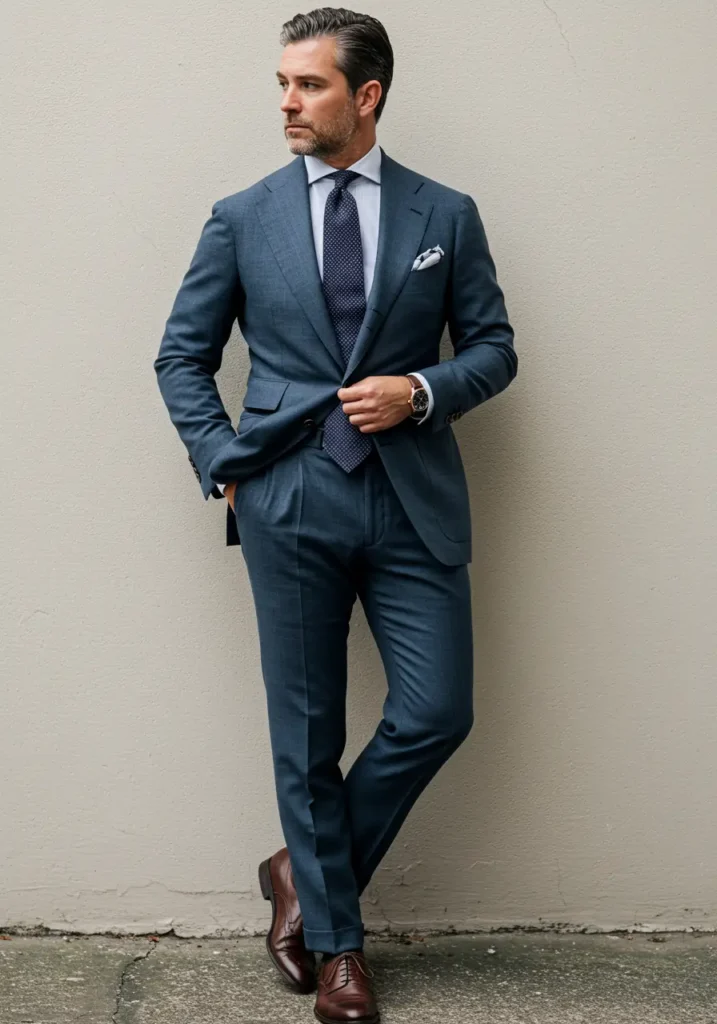
Generic sizing fails most of us. Use tailoring to balance your natural proportions. The goal is clean lines and comfortable ease—not a vacuum-sealed look.
- Broad shoulders: Soft-shoulder construction keeps you from looking like a linebacker. Gentle waist suppression. Light canvassing so the jacket drapes naturally.
- Lean build: Pleated trousers add visual shape. Heavier-weight fabrics create better drape and avoid that “clothes hanger” effect.
- Full seat or thighs: Higher rise is your friend—gives you room to move. Single pleats add comfort. Slight taper below the knee keeps it modern.
- Tall: Slightly longer jacket proportions. Wider lapels balance your frame. Two-inch cuffs on your trousers.
- Short: Shorter jacket by about half an inch. Minimal break on trousers. Avoid low button stances that elongate your torso.
Think about someone you know who always looks sharp: Does their style lean toward loud fashion statements or quiet confidence? What specific things make their wardrobe work? Which of those elements could you realistically adopt this month?
Details most guys miss (and quick fixes)
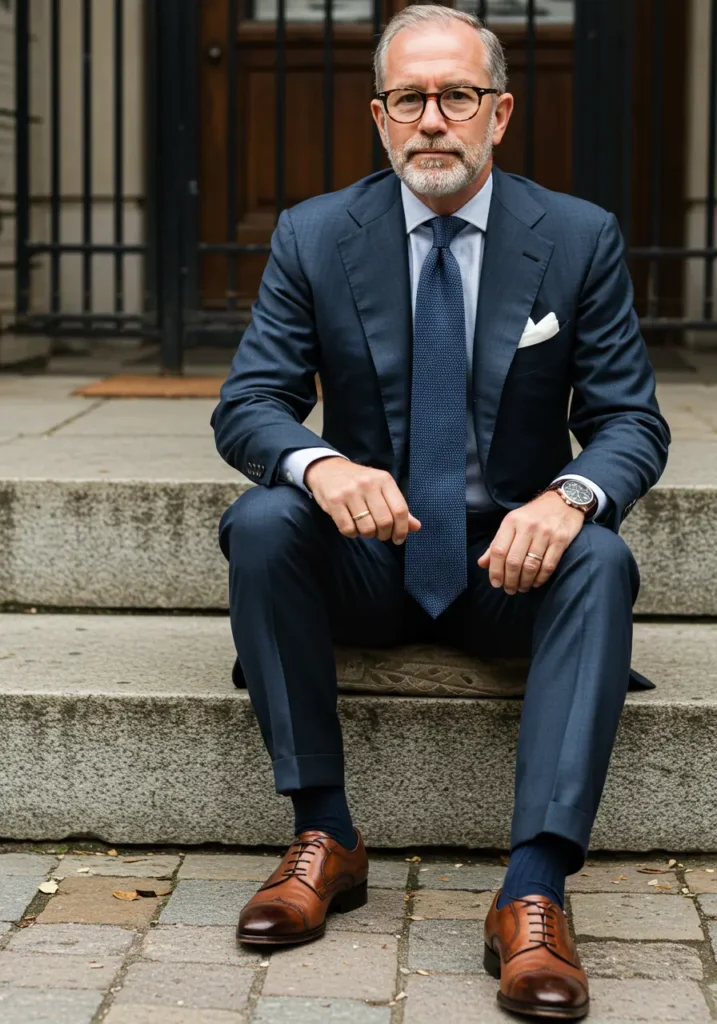
- Nobody uses shoe trees. Cedar shoe trees absorb moisture, help shoes keep their shape, and make them last years longer. Buy them. Use them every single time.
- Short socks with suits. I shouldn’t have to say this, but here we are. Mid-calf or over-the-calf. Wool or cotton. No skin showing when you sit down.
- Visible undershirts under open collars. Either wear a deep V-neck or skip the undershirt entirely when going tieless. No one needs to see your Hanes.
- Dry cleaning everything constantly. Stop. Brush your wool after wearing it. Steam out wrinkles. Spot-clean minor issues. Save the dry cleaner for real stains.
- Alterations at the last minute. Plan two weeks ahead for any tailoring work, especially before important events. Track what needs adjusting.
- Shiny belts with matte shoes. Match your leather tone and finish. If your shoes have a matte finish, your belt should too. This isn’t complicated.
- Bulky wallets ruining your lines. Switch to a slim card case. Your silhouette will thank you.
Making your clothes last decades, not seasons
Quality pieces demand proper care. But the good news? Most of it takes minimal time and protects your investment.
- Brush wool garments after every wear. Let them rest at least 24 hours before wearing again.
- Steam jackets to refresh them. Press trousers along the crease—sharp creases signal attention to detail.
- Wash oxford cloth button-downs in cool water. Hang dry. Press the collar and placket while slightly damp.
- Rotate shoes religiously. Use cedar trees. Resole before you wear through to the welt.
- Fold knitwear—never hang it. Avoid hanger bumps on shoulder seams. Shave pills with a fabric comb.
- End of season: Clean everything, then store in breathable garment bags with cedar blocks.
- Stains: Blot immediately. Test any cleaning solution on an inside seam first. Spot clean rather than soaking.
Simple maintenance schedule
- Weekly: Brush wool. Condition any leather showing dryness or cracking.
- Monthly: Press your trousers. Check all buttons and make sure they’re secure.
- Seasonal: Deep clean outerwear. Rotate soles on dress shoes. Refresh wax on field jackets.
Reality check: A navy blazer you buy today should still look sharp in 2035. That’s the whole point of investing in quality. Proper care turns that theory into practice.
Where to spend and where to save
Invest in tailoring and shoes. Those are your anchors. You can be more flexible with other categories. And for heritage items—tweed jackets, vintage flannels—thrift stores and resale shops are goldmines.
- Jackets: Look for half or full canvas construction, horn buttons, tight stitching. This is where quality shows immediately.
- Shoes: Goodyear welt is non-negotiable. Check for even welt stitching. The insole should feel supportive, not flimsy.
- Shirts: Dense oxford cloth with actual substance. Split yoke construction. Collar that stands properly without going limp after one wash.
- Knitwear: Firm hand-feel, not loose or sloppy. Linked seams at shoulders. Minimal pilling after a few wears.
Realistic budget expectations
| Item | Entry level | Solid middle | Investment tier |
|---|---|---|---|
| Navy sport coat | $250–$500 | $600–$1,000 | $1,200–$2,500 |
| Grey flannel trousers | $120–$250 | $300–$500 | $600–$900 |
| Penny loafers | $200–$350 | $400–$650 | $700–$1,200 |
| OCBD shirt | $60–$120 | $130–$220 | $230–$350 |
Pro tip: Thrift stores and resale platforms are treasure troves for quality tweed, flannel, and shell cordovan. You can find incredible deals if you know what to look for.
Alterations: What matters most
| What needs work | Ask your tailor for this | Why it makes a difference |
|---|---|---|
| Trouser length | Single break; add cuffs if wearing flannel | Creates that clean vertical line, proper drape |
| Waist and seat | Take in or let out evenly around the waist | Comfort plus shape—this shouldn’t be negotiable |
| Jacket sleeves | Show exactly 1/4 inch of shirt cuff | This small detail separates amateur from polished |
| Jacket waist | Gentle suppression, nothing aggressive | Creates that natural V-shape from shoulders to waist |
Grooming habits that complete the look
Perfect clothes on a poorly groomed person miss the mark entirely. The whole package matters.
- Hair: Clean, recently trimmed, naturally styled. Skip the heavy pomades and gels—you’re not auditioning for a boy band.
- Face: Either shave clean or maintain a neat beard. No in-between scruff unless it’s intentional stubble on the weekend. Moisturize.
- Scent: Light application. Woody or citrus bases work well. One spray on the chest, maybe one on the wrist. Fragrance should be discovered, not announced.
- Presence: Be punctual. Speak clearly. Polish your shoes before important events. Small habits signal respect for yourself and others.
The uncomfortable truth: In understated style, grooming carries as much weight as your garments. You can’t phone in one half of the equation and expect the other to carry you.
Practical outfit formulas for real situations
Business meetings (smart professional)
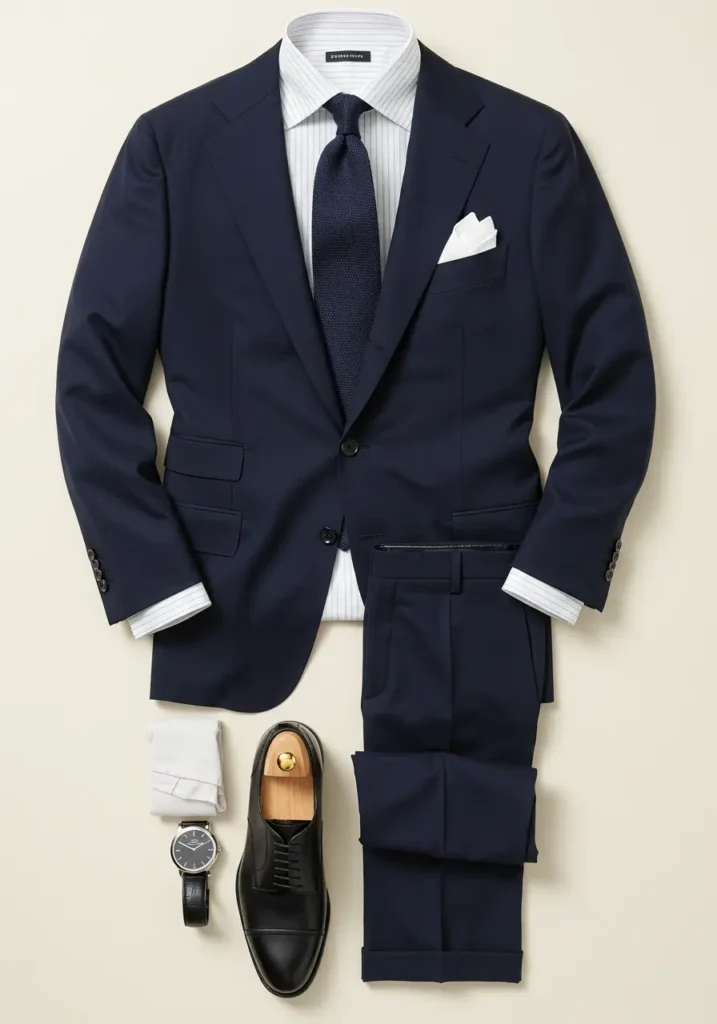
Navy suit. White pinpoint shirt. Black cap-toe oxfords. Navy grenadine tie. White linen pocket square. Slim steel watch on leather strap. This combination has worked for seventy years and it’ll work for seventy more.
Weekend errands (town casual)
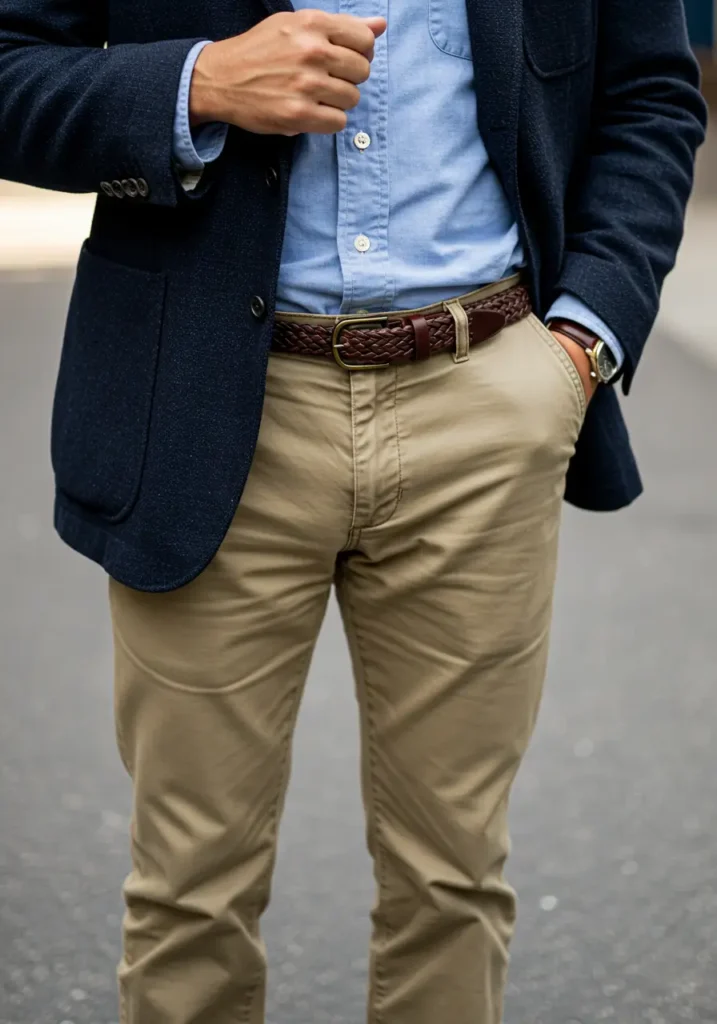
Navy hopsack sport coat. Light blue OCBD. Khaki chinos. Brown penny loafers. Braided leather belt. You’re polished without looking like you tried too hard. Perfect for Saturday lunch or Sunday brunch.
Country club or campus
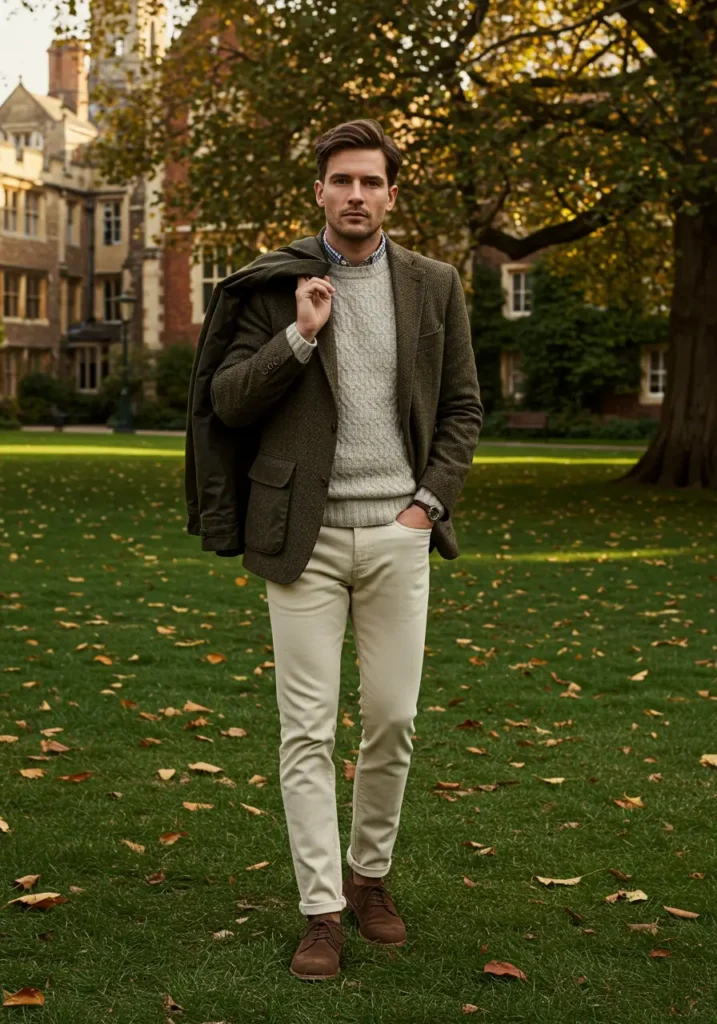
Brown herringbone tweed sport coat. Cream denim or corduroy trousers. Oatmeal Shetland sweater. Suede chukka boots. Olive waxed field jacket if it’s cold. This is prep school meets British countryside in the best way possible.
Hot weather (summer survival)
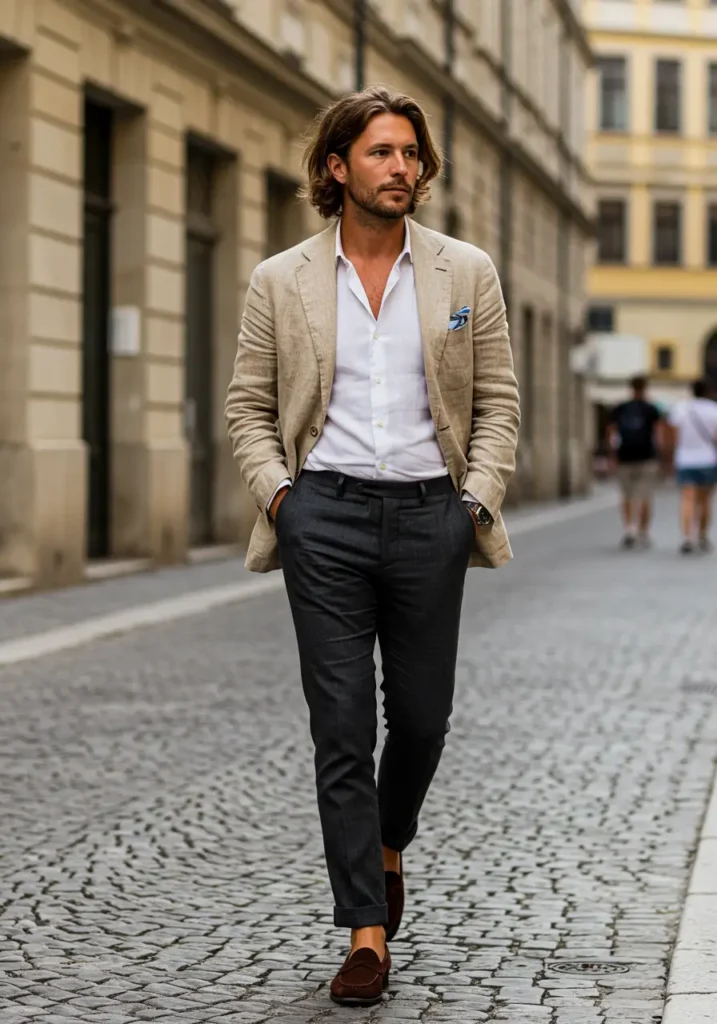
Unlined linen jacket. High-twist wool or linen trousers. Suede loafers, no socks. Cotton-linen blend shirt, no tie. Breathable, elegant, appropriate. You won’t melt, and you won’t look like you’re headed to a beach barbecue.
Travel days
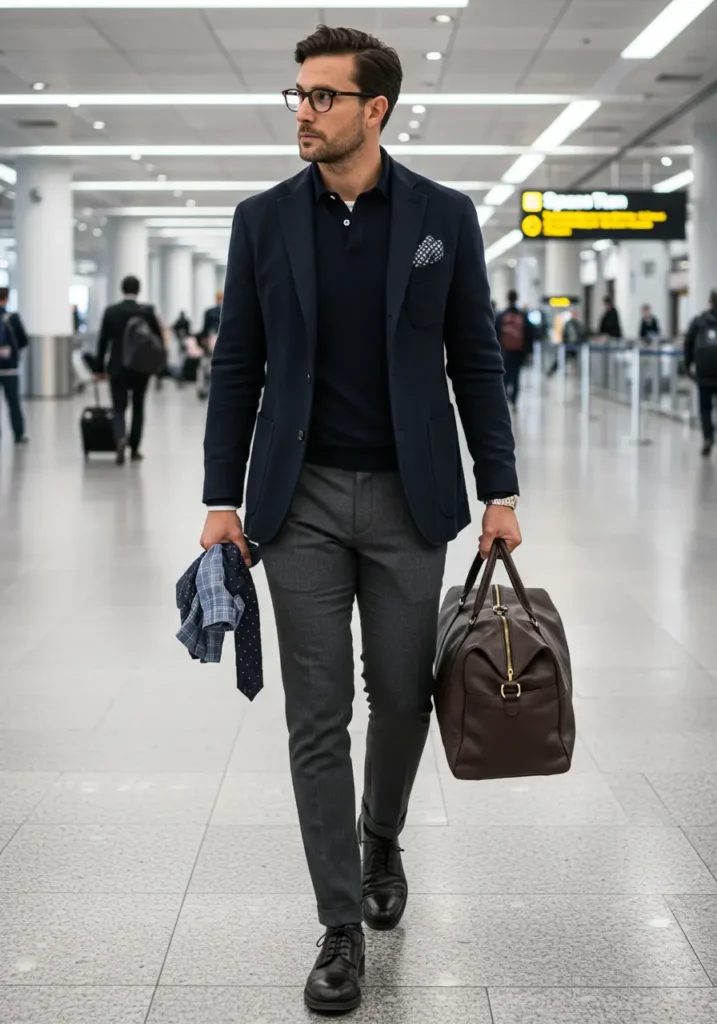
Navy blazer. Charcoal high-twist trousers that resist wrinkles. Dark knit polo. Rubber-soled derbies for airport security. Pack a spare OCBD and a knit tie in your carry-on. You’re ready for anything from client dinner to delayed flights.
Everything you need to remember
- ✓
Old money style rejects logos and flash in favor of quality, proper fit, and subtle texture - ✓
Start with a focused 12-piece capsule that covers work through weekend - ✓
Soft shoulders and relaxed tailoring define the 2025 take on classic menswear - ✓
Invest real money in Goodyear-welted footwear and proper tailoring - ✓
Build your palette around navy, grey, brown, olive, and stone—colors that never date
Where to go from here
Getting this style right comes down to three things: fit, fabric, and restraint. Build a small wardrobe intentionally. Take care of what you own. Add new pieces only when they genuinely fill a gap.
The explosion of interest in quiet luxury we’re seeing right now—that roughly 900% search spike—tells you something important. More men are realizing that true style doesn’t need to announce itself. It works equally well in a private members’ club, an art gallery, a client presentation, or Saturday morning coffee. It never needs to explain itself.
Start with one piece this month. Get the fit dialed in properly. Then add the next. Your wardrobe—and honestly, your confidence—will compound over time.
Build Your Timeless Wardrobe Today
The quiet luxury movement proves that true elegance never goes out of style. Start with one quality piece this month—a navy sport coat, grey flannel trousers, or Goodyear-welted loafers—and build from there.
Your 2025 wardrobe should look equally sharp whether you’re heading into a Manhattan boardroom or a New England country club.
What’s the one piece you’re adding to your wardrobe first? Share your old money style journey in the comments below.
Are you starting with tailoring, footwear, or accessories? What’s been your biggest challenge in building a timeless wardrobe—budget, fit, or simply knowing where to start? Let’s discuss what works (and what doesn’t) in the comments!
Frequently Asked Questions
1) Can old money style men wear denim?
Yes. Pick dark indigo or cream denim with a neat hem. Add a sport coat and loafers for elevated casual styling.
2) How many suits do old money style men need?
Two cover most needs: navy and medium grey. Add seasonal cloth as life demands. Quality over quantity remains the priority.
3) Are pleated trousers correct for old money style men?
Yes. Single pleats with a mid or high rise give room and a classic line. Wider trousers with ease through the thigh define 2025’s relaxed tailoring aesthetic.
4) Which watch fits best?
A slim three-hand on leather or a simple steel field watch. Keep case size modest—elegance over attention.
5) What is the fastest upgrade for old money style men?
Hem trousers to a clean break and add cedar shoe trees. Fit and shoe shape set the tone.
6) What defines quiet luxury in 2025?
Restraint, quality over logos, and understated sophistication. The style communicates status through detail, fit, and material—not advertisement. Muted colors and texture create depth without shouting.
7) Which brands nail old money style?
Look for heritage craftsmanship and traditional techniques. Private White V.C. for British heritage, Giorgio Armani for soft-shoulder tailoring, and Collars & Co. for comfortable modern takes on classic designs.
8) How do I start building a capsule wardrobe on a budget?
Start with timeless, classic designs that looked great 50 years ago. Use resale and thrift for tweed, flannel, and quality footwear. Invest in tailoring and shoes first; save on trendy items. Add one quality piece at a time—fit first, then fabric, then details.