The Unbuttoned Jeans Debate: Tyla’s Provocative Takes and Why They Sparked a Conversation
The internet rarely moves on from a particular trend, and Tyla’s recent conversation about “unbuttoned jeans” is a prime example. More than just a casual styling choice, her five “scandalous” takes—ranging from the deliberate flaunting of the midriff to the subtle suggestion of a barely-there silhouette—have ignited a surprisingly heated discussion about fashion, personal expression, and the evolving boundaries of what’s considered acceptable. This isn’t simply about denim; it’s about how we perceive and react to clothing, and the power it holds in conveying messages about confidence, vulnerability, and societal expectations. Let’s delve into Tyla’s provocative ideas and unpack the reasons why these jeans – and the debates surrounding them – continue to capture our attention.

Understanding the ‘Scandal’ – It’s More Than Just a Button
The term “scandalous” is, of course, subjective. But Tyla’s comments, amplified by social media, certainly tapped into a long-standing tension within fashion. Unbuttoned jeans, particularly when paired with a cropped top or a strategically placed bustier, have long been viewed as deliberately provocative. This perception isn’t necessarily rooted in the jeans themselves, but rather in the way they expose a portion of the midriff – a body area often associated with femininity and, historically, with a degree of vulnerability. The precise history of this association is complex, with threads stretching back to ancient Greece, where exposed torsos were symbols of athleticism and freedom. However, in contemporary Western culture, the midriff’s visibility has become increasingly fraught with social and sexual implications.
It’s crucial to acknowledge that the reaction to unbuttoned jeans isn’t uniform. For some, they represent a bold statement of self-assurance and a rejection of restrictive fashion norms. Others view them as overly revealing and potentially uncomfortable. The key lies in understanding the context – the event, the setting, and, crucially, the wearer’s intention. The visual impact of a garment is heavily influenced by the overall outfit and the individual’s posture and demeanor. A confident stride and a genuine smile can transform a potentially provocative piece into a powerful expression of personal style.
Take #1: The Intentional Reveal – Embracing the Bare Midriff
Tyla’s first take centered on the deliberate choice to showcase the midriff as an act of empowerment. This perspective suggests that unbuttoned jeans aren’t about attracting attention, but about actively reclaiming agency over one’s own body. Consider the rise of “body positivity” movements – advocating for acceptance and appreciation of all body types – and how this intersects with fashion choices. Wearing unbuttoned jeans, in this context, becomes a visual declaration of self-love and a refusal to conform to unrealistic beauty standards. A recent study by the Dove Self-Esteem Project found that nearly 80% of girls feel pressure to look a certain way, highlighting the pervasive influence of societal expectations on self-perception. Choosing to embrace a more revealing style, therefore, can be an act of rebellion against these pressures.
Take #2: Denim as a Canvas – Styling for Impact
Tyla’s second point emphasized the role of styling in shaping the perception of unbuttoned jeans. She argued that the effect isn’t solely determined by the jeans themselves, but by the accompanying garments. Pairing them with a voluminous, oversized top can create a deliberately contrasting silhouette, softening the potential for overt provocation. Conversely, a tight-fitting crop top can amplify the visual impact of the exposed midriff. This approach aligns with the broader concept of fashion as a form of visual storytelling – each element of an outfit contributes to a cohesive narrative. A stylist’s job is to carefully curate this narrative, using clothing to communicate a specific message or evoke a particular mood. The choice of accessories – a delicate necklace, a statement belt, or a pair of bold shoes – can further refine the overall effect.
Take #3: The History of Denim – From Workwear to Runway
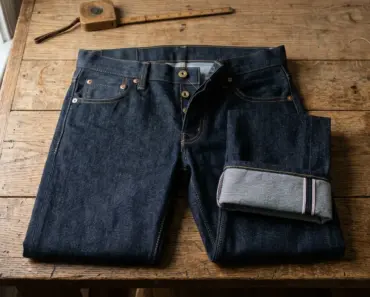
Interestingly, Tyla touched on the historical evolution of denim. Initially designed as durable workwear for laborers, jeans were traditionally worn with a fully buttoned fly. The shift towards unbuttoned jeans began to gain traction in the late 1980s and early 1990s, largely driven by the emergence of grunge fashion. Musicians like Kurt Cobain and Courtney Love embraced the look, pairing ripped jeans with flannel shirts and combat boots – a style that challenged the polished glamour of the preceding decade. The aesthetic was deliberately anti-establishment, rejecting the overtly sexualized styles of the 1980s. Today, denim’s versatility allows it to be styled in countless ways, reflecting shifting cultural values and aesthetic preferences. The trend’s cyclical nature demonstrates how fashion is constantly influenced by historical precedents and social movements.
Take #4: Cultural Interpretations of Modesty – A Nuanced Perspective
This is where the debate became particularly layered. Tyla suggested that interpretations of modesty vary significantly across cultures. What is considered revealing in one society might be perfectly acceptable in another. For example, in some conservative cultures, wearing anything that exposes the midriff is viewed as highly inappropriate. Understanding these cultural nuances is crucial when discussing fashion and its potential impact. It’s not simply about adhering to a set of universal rules; it’s about respecting diverse perspectives and recognizing that clothing can carry different meanings in different contexts. A 2022 report by the Pew Research Center indicated that religious beliefs are a significant factor in shaping attitudes towards dress codes and modesty.

Amazon US Verified
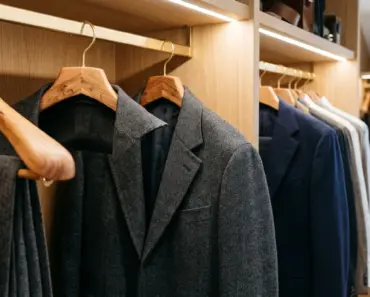
Natural Red Cedar Wood Coat Hanger Set
Contoured cedar hangers preserving jacket shoulders while repelling moths naturally.
You may also enjoy reading: 7 Makeup Products Gracie Abrams Trusts for a Flawless Look.
Take #5: Confidence is the Key – Own Your Style
Finally, Tyla emphasized the importance of confidence. She argued that no matter how a garment is styled, the wearer’s attitude is ultimately what matters most. Wearing unbuttoned jeans with conviction and self-assurance can transform them from a potentially provocative piece into a statement of personal empowerment. This aligns with the psychological research on self-perception – how we perceive ourselves influences how others perceive us. When we look good, we tend to project confidence, which in turn enhances our overall attractiveness and social standing. Furthermore, embracing one’s individual style, regardless of societal expectations, can be a liberating experience.
Reader Scenario: The Teenage Daughter Dilemma
Let’s imagine a scenario: a concerned parent, Sarah, is watching their teenage daughter, Emily, experiment with different fashion styles. Emily has recently started wearing unbuttoned jeans – a look that Sarah finds unsettling. How should Sarah navigate this situation? Firstly, she needs to resist the urge to immediately criticize Emily’s choice. Instead, she should initiate a conversation based on open communication and understanding. Asking Emily why she likes wearing unbuttoned jeans can provide valuable insight into her motivations and self-expression. Sarah can then explain her concerns, focusing on the potential for misinterpretation and the importance of respecting social norms – but without imposing her own values. The key is to find a balance between encouraging Emily’s individuality and fostering responsible decision-making. A helpful step could be researching together what is considered appropriate attire for different events, building a shared understanding of context and social expectations.
Reader Question: Assessing Appropriateness for Events
Many readers likely wonder how to determine whether unbuttoned jeans are appropriate for a specific event. The answer isn’t a simple yes or no. It depends heavily on the event’s formality and the prevailing social norms. A casual brunch with friends might be perfectly acceptable, while a more formal wedding or business meeting would likely require a more conservative approach. Consider the venue, the time of day, and the expected dress code. When in doubt, it’s always better to err on the side of caution and choose a more modest outfit. Observing the attire of others attending the event can also provide valuable clues. Ultimately, the goal is to feel comfortable and confident while respecting the occasion and the people involved.
The debate surrounding unbuttoned jeans highlights a broader tension between personal expression and societal expectations. Fashion, at its best, is a form of self-discovery and a means of communicating our identities to the world. While it’s important to be mindful of the potential impact of our clothing choices, it’s equally important to embrace our individuality and express ourselves authentically. Tyla’s provocative takes have sparked a valuable conversation about these complex issues – a conversation that’s likely to continue for years to come.
As an Amazon Associate, azuloz.com earns from qualifying purchases.