Revisiting Outdated Living Room Trends in Layout and Furniture
Your living room deserves a more modern look. For years, the typical living room followed a predictable formula: a matching sofa-and-loveseat set facing a television, neutral gray walls, and an overhead light doing all the work. But our homes have evolved. We now use living rooms for conversation, flexible entertaining, and quiet relaxation — not just for watching screens. The old rules no longer serve us, and interior designers have strong opinions about which outdated living room trends are ready to retire. Today’s interiors are more personal, flexible, and layered. They prioritize comfort and versatility over rigid formulas. Here are nine specific shifts designers recommend making.
Amazon US Verified
Ceramic Fluted Decorative Vase Set
Modern minimalist ceramic vases perfect for shelves, consoles, and dried florals.
1. Television as the Organizing Principle of the Room
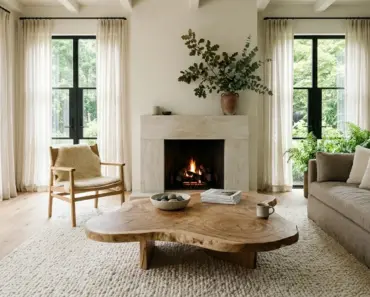
For decades, the television served as the anchor of every seating decision. Sofas faced it. Coffee tables centered on it. Nearly every furniture choice prioritized screen viewing above all else. According to Yacine Bensalem, founder of architecture and interiors studio In Situ and Partners, that approach is fading. Bensalem says the television is no longer the organizing principle of a living room. Today’s most considered interiors are designed around conversation, natural light, and views, not a black rectangle on the wall.
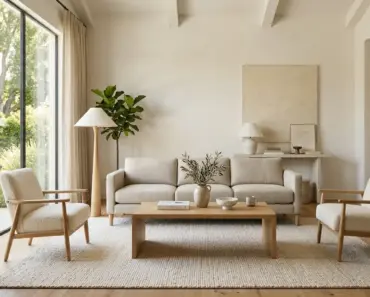
What this means in practice is that seating arrangements now focus on human interaction. When a screen is necessary, it can be hidden inside cabinetry or placed behind artwork. The room becomes about the people in it, not the device at the center.
2. Pushing Every Piece of Seating Against the Walls
Many homeowners push sofas and chairs against the perimeter to maximize floor space. Elizabeth Valkovics, founder of Batten Court Design, explains why this habit backfires. Valkovics says pushing seating against walls makes a living room feel stagnant and creates awkward dead zones in the center of the space.
Instead of that, pull seating inward to form smaller, intimate conversation clusters. You do not need a massive sofa. Two loveseats facing each other or a sectional broken into separate pieces can create a warmer, more connected atmosphere. The center of the room becomes usable rather than empty.
3. Rigid, Inflexible Room Arrangements
An immovable layout works against the way modern families live. A single arrangement cannot accommodate a quiet reading afternoon, a dinner party, and a movie night equally well. Bensalem recommends using movable ottomans, poufs, nesting tables, and modular seating to allow a space to host different gatherings without compromise.
Here is where it gets interesting: flexible furniture does not mean sacrificing style. A leather pouf adds texture. A set of nesting tables in different heights creates visual rhythm. The room becomes a tool that adapts to your life, not a static diorama.
4. Millennial Gray and Beige Palettes
Gray walls, gray sofas, gray rugs, gray accessories — the monochrome neutral look dominated living rooms for years. Elizabeth Rees, founder of wallcoverings brand Chasing Paper, notes that 2026 has been a year full of color and pattern in the interior design world. Rees says outdated trends include millennial gray or beige.
Deep terracotta, forest green, charcoal, and rich blues are taking their place. These hues create atmosphere and character without overwhelming a space. A single accent wall in a saturated shade or a velvet sofa in deep indigo adds instant warmth. The room feels personal rather than safe.
Amazon US Verified
Peel and Stick Textured Linen Wallpaper
Removable neutral wall covering providing architectural warmth and tactile depth.
5. Oversized Geometric Patterns
Chevron, large-scale diamonds, and oversized geometric prints had a long run on rugs, throw pillows, and wallpaper. Rees explains that block prints are having a moment this year, pushing out those larger-scale geometric patterns. Block prints offer a more organic, handcrafted feel.
Smaller-scale patterns layer well together. A block-print lumbar pillow on a textured neutral sofa creates subtle depth. A wallpaper with a delicate botanical motif adds interest without shouting. The shift is toward patterns that feel timeless rather than trendy.
6. Matching Three-Piece Furniture Suites
Buying an entire living room collection at once seems efficient, but designers warn against it. Bensalem says the matching three-piece suite can feel a little predictable. The most interesting interiors are usually built over time, mixing old and new pieces in a way that feels personal rather than planned.
An antique side table paired with a contemporary sofa and a vintage rug creates a richer, more collected look. The room tells a story. Each piece has a reason for being there. That layered approach makes a space feel lived-in and original.
7. Straight-Lined Furniture
Sharp angles and rigid geometric forms are losing ground. Bensalem notes that the straight line is losing ground to the arc. Curved sofas, kidney bean-shaped coffee tables, and rounded armchairs soften a room and invite lingering.
A curved sofa breaks the visual monotony of a rectangular room. A round coffee table makes it easier to reach from any seat. Soft edges encourage the eye to travel rather than stop abruptly. The room feels more welcoming and less formal.
8. Bulky Entertainment Centers
Oversized entertainment centers that dominate an entire wall are another outdated living room trend. These large units consume visual and physical space. Bensalem recommends concealing screens within cabinetry or behind artwork. This approach keeps technology accessible without letting it dictate the room’s character.
A slim console table with closed storage can hold media components without overwhelming the space. Artwork hung on a hinged frame can hide a flat screen completely. The room looks cleaner, and the focus returns to architectural details and furnishings rather than electronics.

Amazon US Verified
Hang-O-Matic All-in-One Picture Hanging Tool
Tape measure, sliding level, and markers in one tool for flawless gallery walls.
9. Relying on a Single Overhead Light Fixture
One ceiling fixture cannot provide the depth a living room needs. Bensalem says the most successful spaces layer different types of lighting, combining ambient, task, and accent sources to create depth and flexibility.
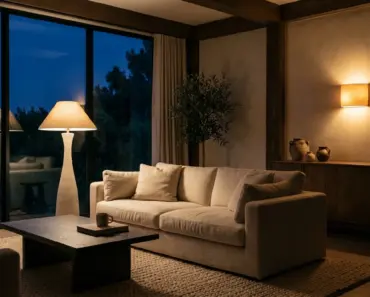
Table lamps on end tables create warm pools of light for reading. Floor lamps in corners fill shadowed areas. Sconces on empty walls add architectural interest. Dimmers on overhead fixtures allow you to shift the mood from bright to cozy. Layered lighting makes the room feel larger and more thoughtfully designed.
Frequently Asked Questions
Which outdated living room trend do designers most want homeowners to stop using?
Designers frequently mention the matching three-piece furniture suite as the top offender. Buying a sofa, loveseat, and armchair from the same collection creates a room that feels predictable and lacks personality. A more modern approach combines pieces from different periods and styles to create a collected, layered look.
How can I update my living room without buying all new furniture?
You can refresh a room by rearranging existing pieces. Pull seating away from walls to create conversation areas. Swap out throw pillows and blankets for ones in deeper, richer colors. Add a floor lamp and a table lamp to replace reliance on a single overhead fixture. Small changes in arrangement and accessories can modernize a space without a full purchase.
You may also enjoy reading: 7 Living Room Trends Designers Say Are Fading.
Is gray paint completely out of style, or can it still work in a living room?
Gray is not gone entirely, but the cool, flat gray of the past decade is being replaced by warmer, more complex neutrals. Greiges, warm charcoal, and mushroom tones offer a similar neutral base without the sterile feel. The key is to layer in texture and color through furnishings, art, and textiles so the room does not feel monochromatic.
As an Amazon Associate, azuloz.com earns from qualifying purchases.