A practical, stylish guide to choosing, cutting, styling, and caring for the bixie haircut.
Ever stood in the mirror thinking your hair’s too long for a pixie but too short to feel like a proper bob—and wondered if there’s a perfect middle ground that actually looks intentional?
The bixie haircut blends pixie ease with bob shape. It gives you texture, movement, and a modern edge that works whether you’re running to the gym or heading to dinner. In this guide, you’ll learn what a bixie actually looks like (beyond those filtered Instagram photos), which face shapes it flatters, how to ask your stylist for the result you want without the awkward miscommunication, and the day-to-day upkeep that keeps the cut looking fresh instead of grown-out.
I’ve included specific examples, product recommendations that won’t break the bank, and step-by-step styling routines you can use today—not six months from now when you’ve finally mastered it. This article aims to help you decide if the bixie fits your lifestyle and hair type, and to give clear steps whether you’re cutting at home (spoiler: maybe don’t) or at a salon.
What is a Bixie Haircut?
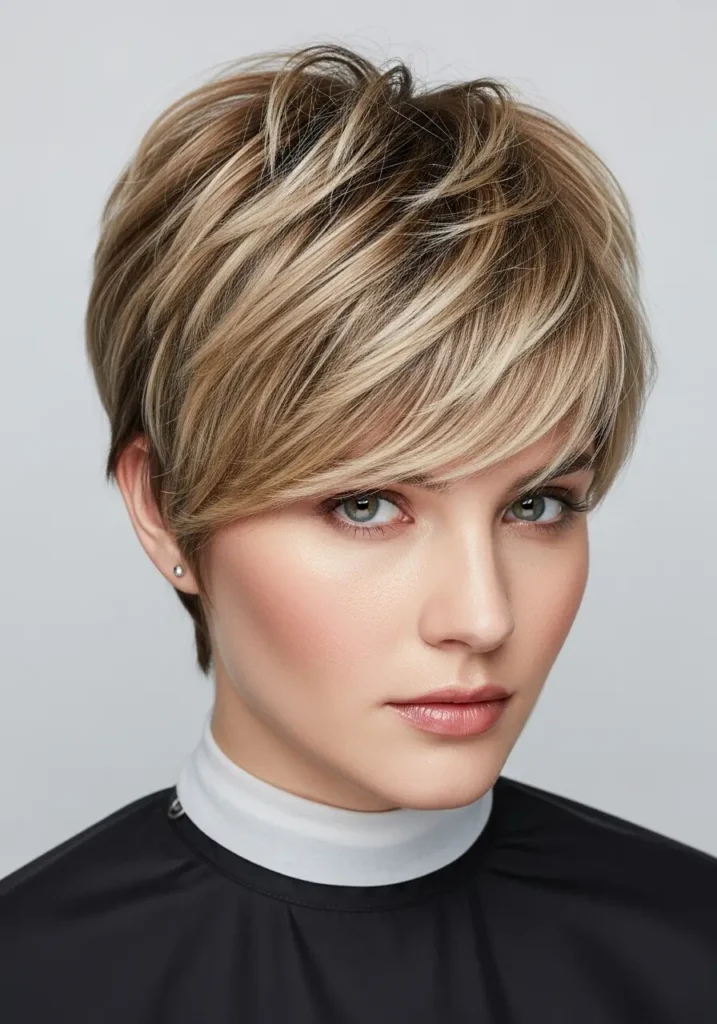
The bixie sits right between a pixie and a bob—hence the name. It keeps things short at the back and sides, with longer layers on top and in front. That mix creates texture and face-framing that doesn’t look accidental. Stylists use soft, choppy layers and point-cutting to produce a lived-in finish. The result? A modern look that doesn’t scream “I spent two hours on this.”
Key Characteristics
- Length: Ear to jawline at the longest front sections.
- Layers: Short, choppy layers that add volume and movement.
- Bangs: Often includes soft, face-framing bangs or fringe.
- Texture: Textured finish with natural separation, not a blunt block.
- Versatility: Works with straight, wavy, and fine hair with the right cut.
Quick reflection: Have you been stuck between wanting the ease of short hair but worried you’ll miss having length to work with?
Why the Bixie Matters Now
Short, textured cuts have been climbing in popularity through 2024 and into 2025. Search interest for terms like “short shag,” “pixie bob,” and “bixie haircut” grew as people sought low-maintenance styles that still feel personal—not cookie-cutter. The bixie answers that need by delivering a short silhouette with actual styling options.
What People Look for Online
- Easy daily styling that doesn’t require a YouTube tutorial every morning
- Soft, textured finishes that hide regrowth (because who has time for constant trims?)
- Styles that work with busy schedules and real life
- Inspiration from celebrities and stylists that’s actually achievable
When users search for the bixie, they want photos, step-by-step styling, and clear guidance on fit. That’s exactly what this article focuses on.

Does a Bixie Suit Your Face Shape and Hair Type?
Here’s the thing: the bixie works for many face shapes when it’s tailored properly. The key lies in where the longest layers land and how the stylist places volume. It’s not one-size-fits-all, which is actually good news.
Face-Shape Guide
- Round: Add height at the crown and keep front lengths just below the chin to elongate the face.
- Oval: Lucky you—most bixie styles suit oval faces. Keep layers balanced to avoid covering the cheekbone.
- Square: Soften the jaw with wispy side bangs and rounded front lengths.
- Heart: Keep fuller lengths near the jaw to balance a narrow chin.
- Long: Add side-swept bangs and volume at the sides to shorten the look.
Hair Type Guide
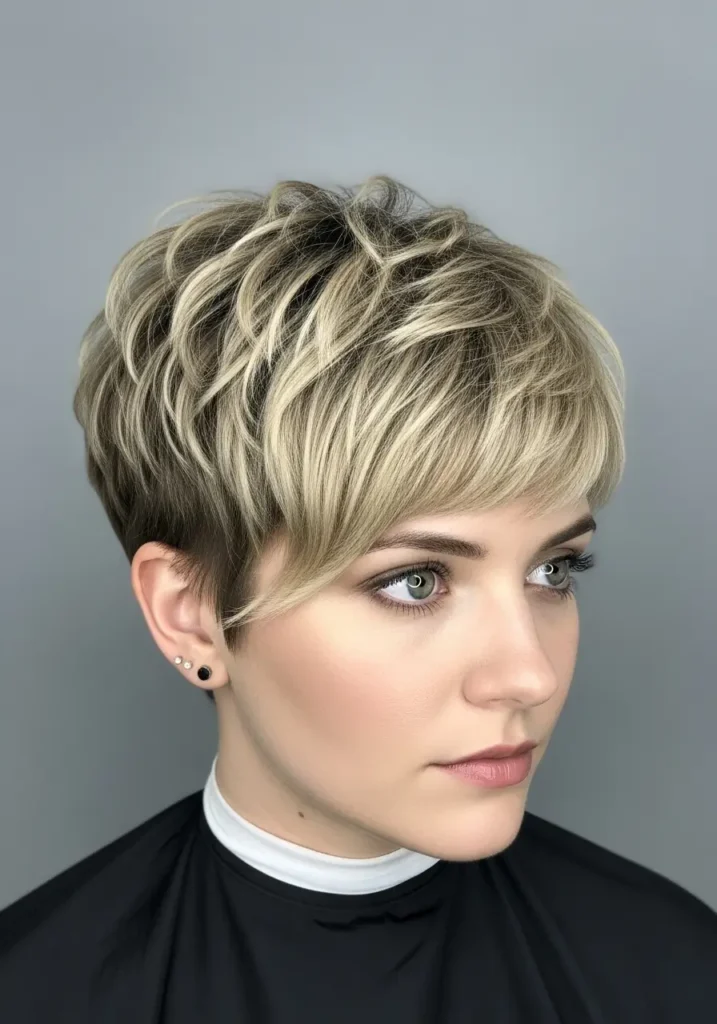
- Fine straight hair: Use texturizing sprays and light styling products to add grit. Avoid heavy serums that’ll weigh everything down.
- Wavy hair: Embrace natural movement. Cut to the wave pattern and use cream or mousse for separation.
- Curly hair: Keep more length in the front to control shape. Ask for dry-cutting techniques for accuracy—wet cutting can be misleading with curls.
- Thick hair: Use thinning and layering to reduce bulk while preserving shape. This makes all the difference.
Quick reflection: What’s your biggest hair concern—is it the texture, the maintenance time, or finding a cut that actually suits your face shape?
How to Ask for a Bixie at the Salon
Communication makes or breaks the result. I can’t stress this enough. Bring clear photos and describe what you like about each one—not just “I want this,” but “I love how the layers frame her face here” or “I like the texture but want it a bit longer.”
Checklist to Bring to Your Appointment
- Three photos showing front and side views (not just perfectly styled Instagram shots).
- Describe your daily routine and how much time you spend styling. Be honest.
- Share hair concerns: cowlicks, thinning spots, thick roots, weak ends—whatever you’re dealing with.
- Ask the stylist to show suggested length and layer placement with fingers before cutting anything.
- Request a plan for trimming frequency and at-home styling steps you can actually follow.
Use language like “textured layers from crown to front” and “face-framing pieces that hit at jawline” to be specific. Ask for a dry finish preview so you see the final shape before you leave the chair.
Cutting Techniques and Popular Bixie Variations
Stylists mix different techniques to create different bixie looks. Knowing the basics helps you request the right approach—and sound like you know what you’re talking about.
Common Techniques
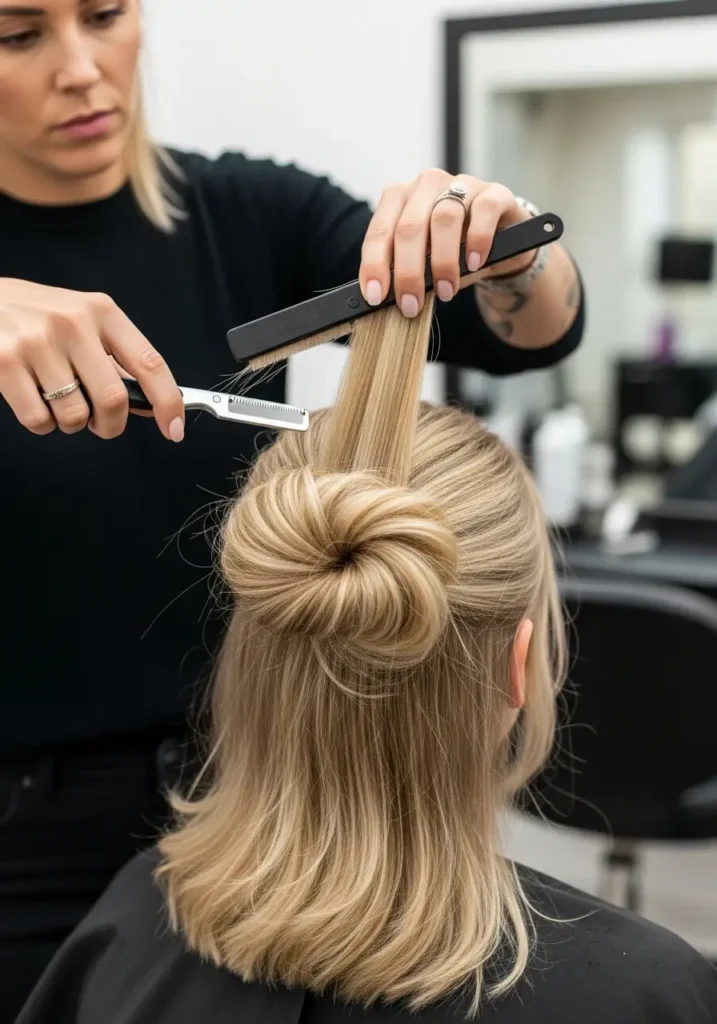
- Point cutting: Creates soft ends for a lived-in finish.
- Razor texturing: Adds wispy strands and reduces bulk.
- Slide cutting: Removes weight while keeping length flow.
- Dry cutting: Best for curly and wavy hair to check final shape.
Popular Bixie Variations
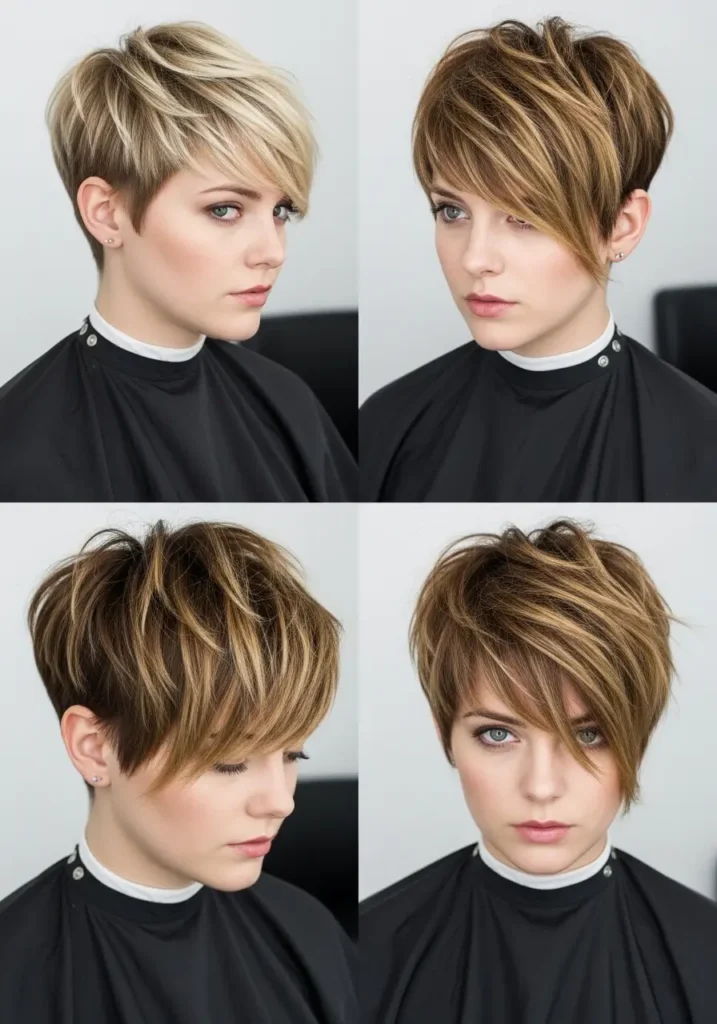
- Soft bixie: Rounded, gentle layers and minimal texture for a refined look.
- Edgy bixie: Short sides, dramatic layering on top, and strong fringe.
- Textured bixie: Lots of choppy layers and separation for a messy, undone finish.
- Long-front bixie: Longer front pieces that can tuck behind the ear or sweep across the face.
Quick reflection: Which bixie variation matches your personal style—do you lean more toward soft and polished or edgy and textured?
Daily Styling: Step-by-Step Routines
A bixie simplifies morning routines when you use the right steps. Below are routines for three common hair types—pick the one that matches yours.
For Fine, Straight Hair
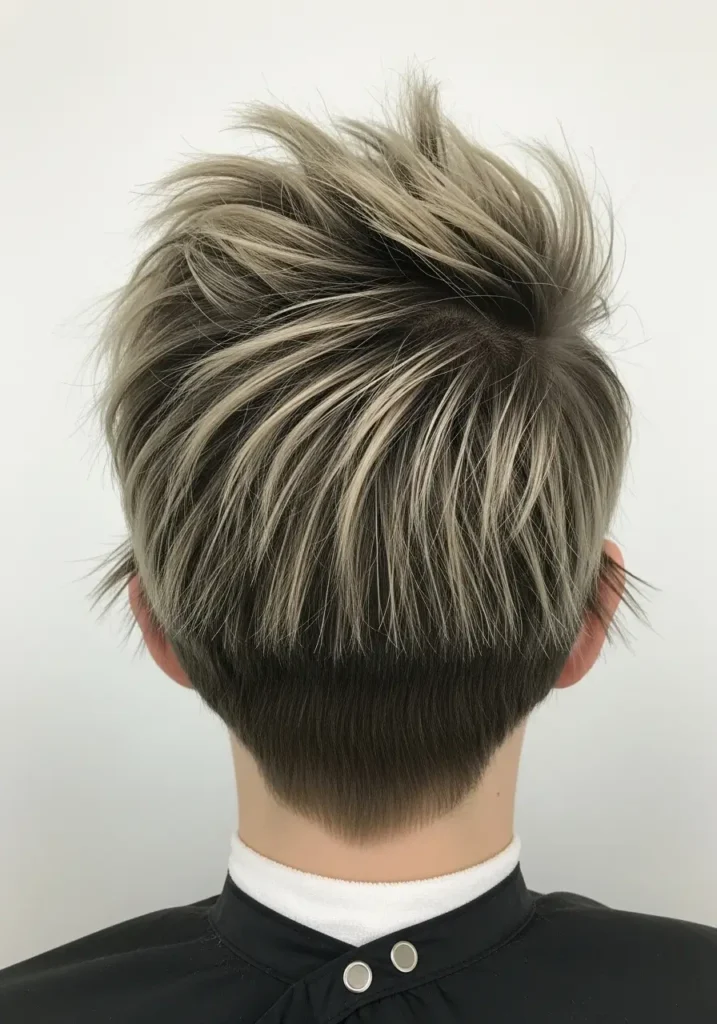
- Start on towel-damp hair. Apply a pea-size amount of texturizing spray to roots and mid-lengths.
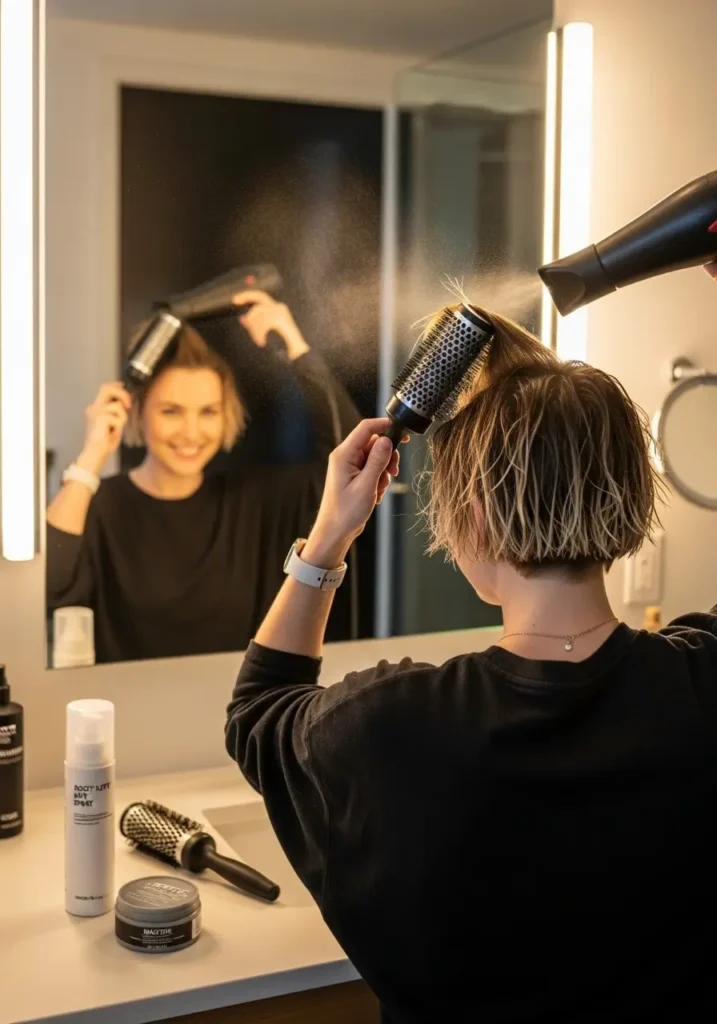
- Blow-dry using a round brush to lift the crown slightly. Direct heat into roots for volume.
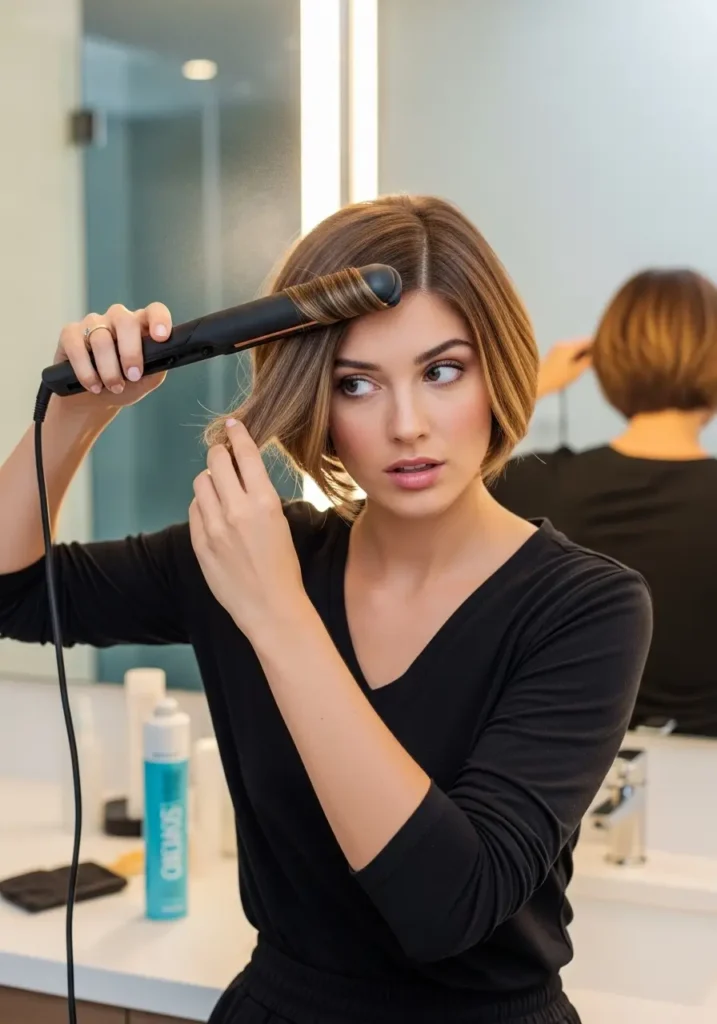
- Use a flat iron on low heat to create slight bends in front sections only.
- Finish with a small dab of matte paste. Work through ends with fingers and separate pieces.
For Wavy Hair

- Work a curl-defining mousse through damp hair and scrunch to encourage the wave.
- Diffuser-dry on low heat while cupping waves at the ends.
- Use a sea-salt spray for separation. Rake product with fingers to break up clumps.
- Finish with light-hold hairspray on the crown to keep shape all day.
For Curly Hair
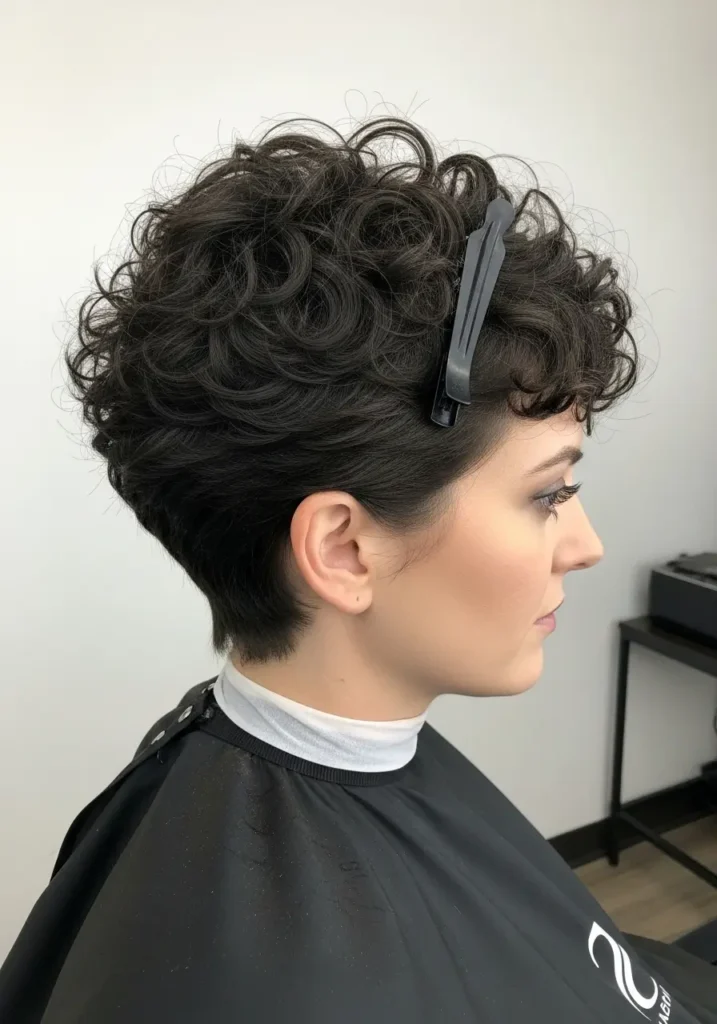
- Cut and style on dry hair when possible. For daily styling, apply leave-in conditioner to hydrate.
- Use a cream styler and define a few face-framing curls with a small curling wand if needed.
- Clip sides during drying if you want added lift at the crown.
- Refresh curls with a light mist of water mixed with leave-in product between washes.
Best Products and Tools for a Bixie
Products can make or break a short textured cut. Choose items that add control without weight—trust me on this.
Must-Have Tools
- Quality blow dryer with diffuser and concentrator nozzle
- Small round brush (1 inch to 1.5 inch)
- Flat iron with narrow plates for shaping
- Wide-tooth comb and a fine-tooth comb for precision
- Texturizing scissors for touch-ups (only for pros—seriously, don’t try this at home)
Top Product Types
- Matte paste: Adds definition without shine.
- Sea-salt spray: Encourages separation and grit.
- Lightweight oil or serum: For ends on thicker hair or to tame frizz.
- Volumizing root spray: For extra lift at the crown.
Key Takeaways:
- ✓Bixie blends pixie and bob for texture and framing.
- ✓Tailor length and layers to face shape for best result.
- ✓Use texture products and light tools for easy daily styling.
Common Problems and Fixes
Short cuts come with their own unique challenges. Below are frequent issues and practical fixes you can try immediately—not next month when you’re frustrated enough to book another salon appointment.
Problem: Hair Looks Flat at the Crown
Fix: Use a root-lift spray on damp roots, blow-dry while lifting with a round brush, and finish with a matte paste for hold.
Problem: Front Pieces Fall into Face
Fix: Use a flat iron to bend the front away from the face and set with light-hold spray. Ask your stylist for slightly shorter layering to reduce weight.
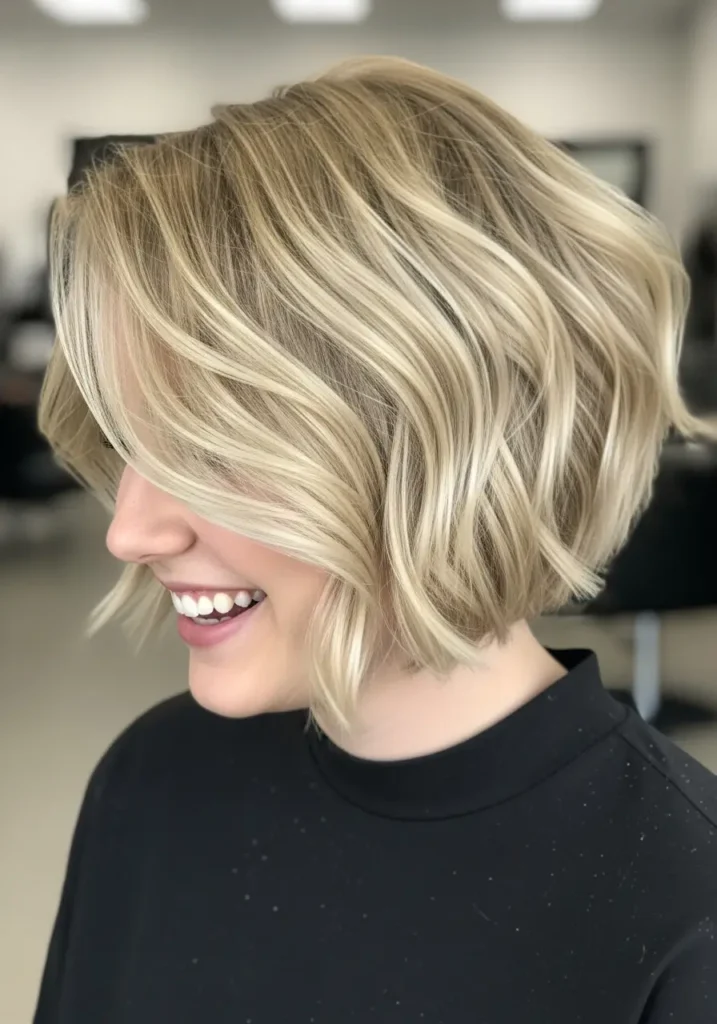
Problem: The Cut Looks Bulky on Thick Hair
Fix: Use slide-cutting or thinning techniques with a professional. Add layering and texture for a softer silhouette.
Quick reflection: Which of these problems sounds most familiar to you—flat roots, front pieces in your face, or too much bulk?
DIY Bixie: What You Can and Should Not Do
I’m going to be straight with you: I don’t recommend a full bixie DIY unless you have haircut experience. You can handle minor trims and maintenance at home safely, but major shape changes? Leave those to the pros.
Safe DIY Steps
- Trim ends with sharp scissors to remove split ends.
- Thin heavy layers with point cutting in small sections.
- Trim bangs straight across only if you’re confident; otherwise, trim little by little.
When to See a Pro
- If you want a major shape change.
- If you need blending across layers.
- If you want a precise face frame or dry-cut for curly hair.
Real Examples and Quick Case Studies
These short examples show how small changes yield big improvements. Sometimes it’s the little tweaks that make all the difference.
Case 1: Fine Hair Regained Volume
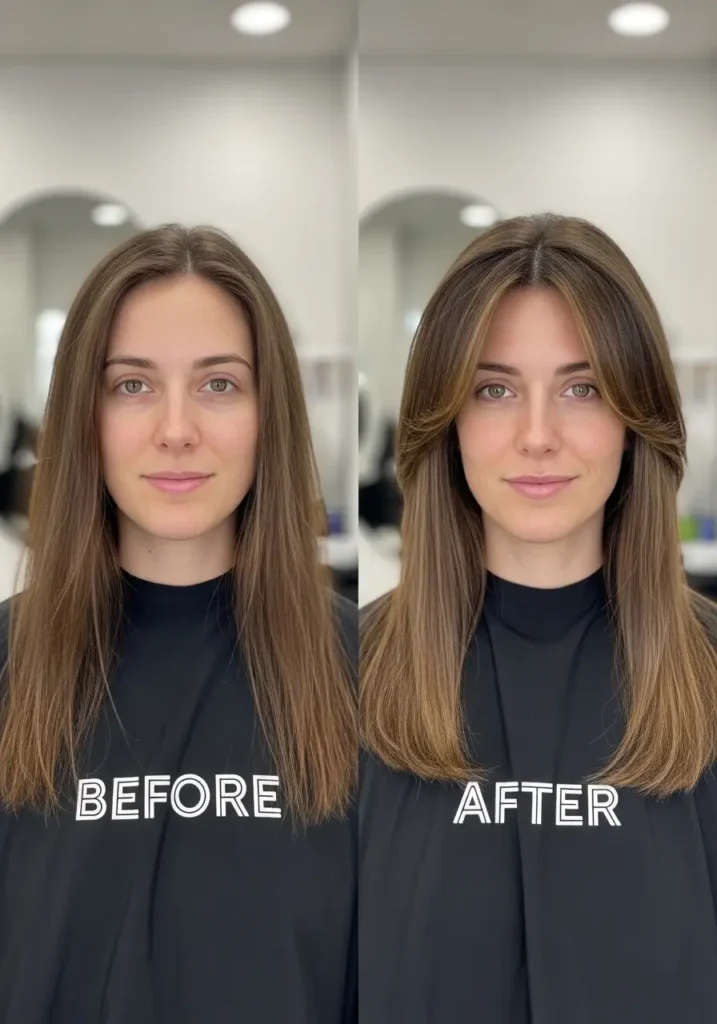
A client with fine straight hair wanted fuller shape. Stylist cut crown layers and added a light root spray. Result: hair kept shape for three weeks with minimal styling time.
Case 2: Curly Hair with Structure
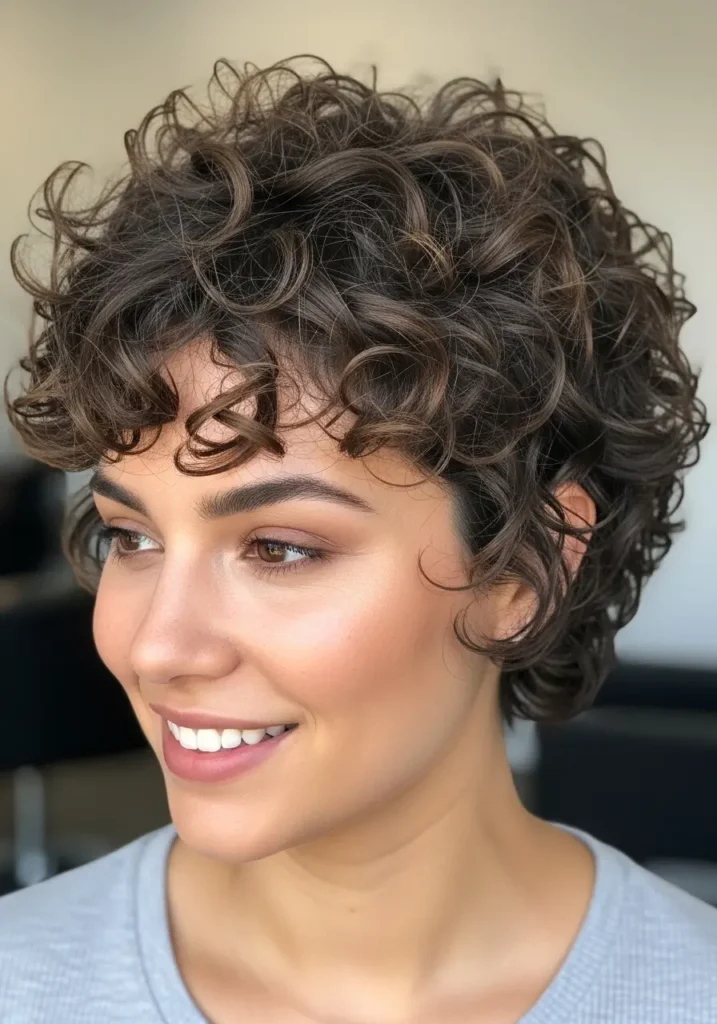
Curly client received a dry cut to place layers around natural curl pattern. With curl cream and finger shaping, the bixie held its shape and minimized frizz.
Related Post: Long Hair Style Women: 2025 Trends and Timeless Techniques
Cost, Salon Visits, and Upkeep Schedule
Expect regular trims to preserve shape. The bixie needs more frequent visits than a long bob—that’s just reality.
- Trims: Every 6–8 weeks to keep layers clean.
- Stylist consult: Ask for a three-visit plan: initial cut, 4-week shape check, and 8-week maintenance.
- Cost: Varies by salon. Expect to pay standard short-hair prices in your area. Budget more for custom texturizing and dry cutting.
Further Reading and Trusted Sources
For hair health facts and scalp advice, consult the American Academy of Dermatology. For trend coverage and hairstyle showcases, look at Vogue.
Frequently Asked Questions
1. How long does it take to style a bixie each morning?
Most people spend 5–15 minutes. For a quick look, apply texturizing spray to towel-damp hair, dry with fingers, and add small amount of matte paste. More complex shaping with a round brush or flat iron takes closer to 15 minutes.
2. Will my hair grow out awkwardly from a bixie?
Regrowth shapes differ by variation. Plan trims every 6–8 weeks. If you want a longer transition, ask your stylist to leave slightly more length at the front and sides so the cut remains intentional during growth.
3. Can I color my bixie without harming the shape?
Yes. Color doesn’t change the cut. Use professional colorists to avoid over-processing. For textured finishes, avoid heavy conditioners right after coloring; lighter products keep separation. Deep-condition weekly if color dries hair.
4. What product gives the best texture for a bixie?
A matte paste or clay gives control without shine. Sea-salt spray adds grit for wavy hair. For fine hair, use a root-lift spray first and a light paste after drying to avoid flattening the cut.
5. Should I cut my bixie on wet or dry hair?
It depends on hair type. Dry cutting helps see final shape on curly and wavy hair. For straight hair, stylists often cut damp and refine once dry. Discuss this with your stylist during consultation.
Final Thoughts
The bixie haircut gives you modern shape with easy styling. It fits many faces when tailored properly, and it suits people who want a short, expressive look that still feels wearable—not like you just joined a punk band (unless that’s your vibe, then rock it). Use this guide to prepare for your salon visit, to choose the right products, and to maintain the shape between cuts. Start with clear photos and an honest chat with your stylist. Small tweaks in layering and product choice will make the bixie work for you.
Have you already taken the plunge with a bixie, or are you still on the fence—and what’s holding you back or what convinced you to try it?
Share your bixie journey, styling tips, or salon horror stories (we’ve all been there) in the comments below—I’d love to hear what worked for you!