The Met Gala steps are a runway of expectation, a place where tradition often walks hand-in-hand with avant-garde daring. For the 2026 event, under the expansive theme “Fashion Is Art,” interpretations were as varied as the guests themselves. Yet, one arrival instantly transformed the carpet into a personal stage, commanding attention not with towering heels, but with bare feet adorned in henna. Doechii’s Met Gala look was a declaration, a masterful performance where her very body became the central canvas.
The Anatomy of a Statement: Deconstructing Doechii’s 2026 Look
To understand why this moment resonated so deeply, we must examine its components. Each choice, from the garment’s drape to the adornment on her skin, was a deliberate brushstroke contributing to a larger, personal masterpiece.
Amazon US Verified
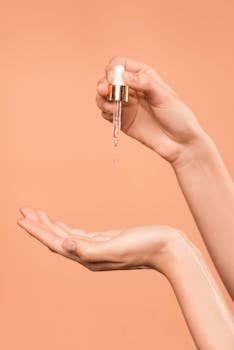
CeraVe Hydrating Facial Cleanser
Non-foaming lotion with hyaluronic acid and ceramides that cleanses without stripping.
1. The Barefoot Declaration
In a space synonymous with exquisite footwear, choosing to go barefoot is a radical act. It shifts the foundation of the entire presentation. This wasn’t merely a comfort choice; it was a statement of vulnerability and grounding. At an event where attendees are literally elevated by their shoes, standing directly on the stone steps creates a powerful connection to the earth and to one’s own physical presence. It rejects one of fashion’s most universal formalities to prioritize authentic expression.
2. Henna as Artistic Adornment
Doechii specifically applied henna to her feet, transforming the necessity of bareness into an opportunity for cultural and artistic decoration. Henna, with its deep roots in ceremonial and celebratory traditions across various cultures, is a temporary yet meaningful form of body art. By using it to “replace” heels, she challenged the notion that accessories must be purchased and worn. Instead, she employed a living, organic art form that interacts directly with the skin, perfectly aligning with the theme that fashion—and adornment—is art.
3. The Custom Marc Jacobs Asymmetric Dress
The garment itself was a study in architectural drapery. A custom Marc Jacobs piece in a rich burgundy wine color, its asymmetric design revealed her abdomen while looping around her left breast. This deliberate exposure and coverage played with concepts of modesty and display, treating the body’s topography as part of the garment’s form. The color, evocative of both depth and passion, served as a unifying tone for the entire ensemble, allowing the other elements to pop against its somber backdrop.
4. Anklets and the Accented Foot
While foregoing shoes, Doechii did not abandon jewelry. She wore delicate anklets that accentuated the henna-decorated feet. This choice is genius in its subtlety; it draws the eye precisely to the area where tradition was subverted, framing the bare foot as a focal point worthy of embellishment. The anklets provided a hint of metallic sparkle and movement, ensuring the feet were celebrated as a complete, beautiful part of the look, not just a shocking absence.
5. The Bohemian Head Wrap
A burgundy head wrap completed the silhouette, leaning into a bohemian aesthetic that feels both personal and global. Head wraps carry histories of practicality, spirituality, and style across many cultures. Here, it served to balance the revealing nature of the dress, adding a layer of texture and mystery around the face. It also created a cohesive color story, tying the look together from head to toe in a flow of fabric and intention.
6. Jewelry as a Color Palette
The jewelry selections were small lessons in color theory. Drop-down earrings featured purple, yellow, and green stones—colors that complement the burgundy base without competing with it. Chunky gold bangles added weight and warmth to her wrists. Together, these pieces provided punctuations of light and color against the darker fabric and skin, demonstrating how accessories can be used to paint a visual narrative across the body.
You may also enjoy reading: 7 Best Prequel Skincare Products According to a Beauty Editor.
7. The Body as the Ultimate Canvas
This is the overarching, unifying concept of the entire presentation. Every element served to highlight her physical form as the primary medium. The dress framed it, the henna decorated it, the barefoot stance grounded it, and the jewelry accented it. In an industry that often treats the body as a mere hanger for clothing, Doechii inverted the relationship. Her body was the art; the clothing and adornments were the finishing touches on that living canvas. This is the most profound interpretation of “Fashion Is Art”—that the human form itself is the foundational artwork.
From Tailoring to Art: The Evolution of a Met Gala Presence
Doechii’s 2026 look gains even more depth when viewed as part of a journey. Her debut at the 2025 Met Gala, where she was a member of the host committee, presented a completely different but equally intentional side of her style.
The 2025 theme, “Tailored for You,” honored the “Superfine: Tailoring Black Style” exhibition. Doechii arrived in a sharp Louis Vuitton suit, featuring a monogram tuxedo jacket paired with Damier shorts. This was a powerful embrace of androgyny and structured luxury. Her hair was a rounded Afro, her makeup a glossy nude lip, and she carried a mini Speedy bag. The look was polished, powerful, and played perfectly within the theme’s box. This versatility—from precise tailoring to unbounded artistic expression in just one year—showcases a rare range. It signals an artist who understands context and uses each platform to communicate a distinct facet of her identity.
Navigating Artistic Expression in Formal Settings
Doechii’s approach offers a blueprint for anyone facing the challenge of expressing personal, artistic, or cultural identity within a formal, themed event. The common fear is that personal style might be viewed as inappropriate or distracting. Her method demonstrates key strategies for successful integration.
First, anchor your expression to the theme’s core concept. “Fashion Is Art” is incredibly broad, but by focusing on the body as canvas, she created a direct, logical link that made her statement feel inherently on-topic, not merely rebellious. Second, maintain a cohesive visual narrative. Even with multiple unconventional elements—bare feet, henna, asymmetric draping—the consistent color palette and bohemian thread tied everything together into a single, comprehensible vision. Finally, embody confidence in your choices. The statement works because it is delivered with unwavering conviction. The art of personal expression in formal spaces often hinges on the authenticity and confidence with which it is presented.
As an Amazon Associate, azuloz.com earns from qualifying purchases.